
Federal prosecutors say a California resident who runs a Tehran-based technology company is accused of channeling controlled U.S. networking and encryption equipment to sanctioned Iranian military and nuclear-linked customers. The case also alleges that millions of dollars from those sales were moved into the United States over more than a decade and used in part to fund high-value real estate.
Highlights
- Jamshid Ghomi, CEO of Faraz Pardaz Rayaneh Co. Ltd., was charged in California with conspiracy to violate U.S. sanctions by procuring U.S.-origin tech for Iran since 2011.
- Prosecutors allege the scheme involved smuggling over 250 metric tons of networking equipment into Iran from 2014 to 2018 and laundering more than $15 million into U.S. accounts from 2011 to 2024.
- Faraz Pardaz Rayaneh allegedly generated annual sales exceeding $10 million, supplying U.S. networking equipment from 2017 to 2023 to the Atomic Energy Organization of Iran and the Ministry of Defense.
Complaint details alleged procurement and money flows
As reported by the U.S. Department of Justice, Jamshid Ghomi, 63, of Newport Coast, California, was arrested on a federal criminal complaint charging conspiracy to violate the International Emergency Economic Powers Act. He is expected to make his initial appearance in U.S. District Court in Santa Ana, California, and if convicted would face a maximum penalty of 20 years in prison.Investigators allege Ghomi founded and ran Faraz Pardaz Rayaneh Co. Ltd., a Tehran-based computer networking company that for more than a decade procured U.S.-origin equipment for customers in Iran without authorization from the Treasury Department's Office of Foreign Assets Control. The complaint says he used personal eBay and PayPal accounts for more than 400 purchases from 2011 to 2015, directed goods through intermediaries in the United Arab Emirates, and in 2023 negotiated additional purchases from suppliers in Minnesota and Nebraska through a UAE front company.
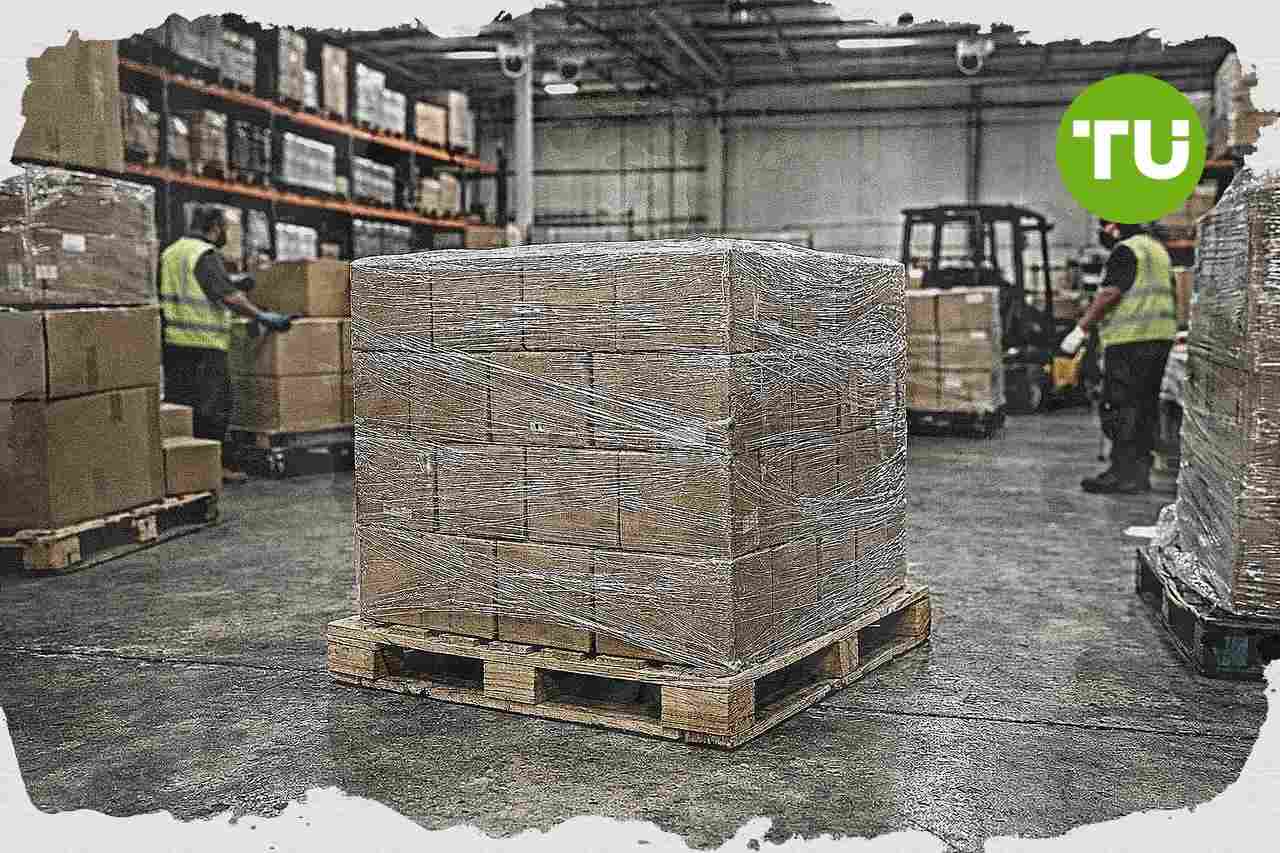
Prosecutors say the scheme expanded into large-scale smuggling, with more than 250 metric tons of networking equipment moved into Iran from 2014 to 2018 through freight forwarders and intermediaries in Dubai. The affidavit alleges Ghomi and co-conspirators kept his name off shipping paperwork, omitted invoices from Iran-bound shipments, hid U.S.-origin equipment inside larger consignments and used front companies to obscure the true destination.
The complaint further alleges Ghomi laundered proceeds from the business into the United States by routing Iranian sales revenue through a sanctioned Iranian bank and then receiving corresponding wires from trading companies and exchange houses in the British Virgin Islands, Hong Kong, Turkey and the UAE. From 2011 to 2024, he allegedly moved more than $15 million into U.S. bank accounts and a construction escrow account, while falsely reporting the funds to the IRS as a foreign inheritance.
Alleged sales reached Iran's nuclear and defense entities
Prosecutors say Faraz Pardaz Rayaneh generated annual sales exceeding $10 million and served hundreds of Iranian companies and government bodies, including sanctioned entities tied to the country's nuclear and military establishment. A smaller but significant share of that business allegedly involved sensitive end-users, among them the Atomic Energy Organization of Iran and the Ministry of Defense and Armed Forces Logistics.According to the complaint, the company supplied U.S.-origin computer networking equipment to the Atomic Energy Organization of Iran from 2017 to 2023, and registered as an approved vendor in 2021 and 2022. The filing also alleges that from 2014 to 2022 the company supplied networking, security and encryption equipment to Iran's defense ministry and affiliated military and defense-electronics entities, including under a 2017 contract that explicitly named Iran Computer Industries as part of the ministry.
U.S. officials say the case reflects a broader national security effort to block controlled American technology from reaching adversarial states. The Justice Department noted that a criminal complaint is only an allegation, not evidence, and that the defendant is presumed innocent unless proven guilty beyond a reasonable doubt. IRS Criminal Investigation and the Commerce Department's Bureau of Industry and Security are investigating the case.
Our earlier article on U.S. export curbs affecting Nvidia’s advanced AI chips explained how tighter restrictions on shipments to Chinese-owned entities were increasing regulatory and demand risks for the company. It also outlined the near-term trading setup for NVDA, highlighting heightened volatility, key support around the mid-$215 area, and a watch zone up to the low-$220s as policy uncertainty weighed on sentiment.





Latest OFAC News










-
 Afghanistan
-
 Albania
-
 Algeria
-
 Angola
-
 Argentina
-
 Armenia
-
 Australia
-
 Austria
-
 Azerbaijan
-
 Bahamas
-
 Bahrain
-
 Bangladesh
-
 Belarus
-
 Belgium
-
 Bolivia
-
 Botswana
-
 Brazil
-
 Brunei
-
 Bulgaria
-
 Cambodia
-
 Cameroon
-
 Canada
-
 Chile
Chile
-
 China
China
-
 Colombia
-
 Congo
Congo
-
 Costa Rica
-
 Cote d'Ivoire
-
 Croatia
-
 Cuba
Cuba
-
 Cyprus
-
 Czechia
-
 DR Congo
-
 Denmark
-
 Dominican Republic
-
 Ecuador
-
 Egypt
Egypt
-
 El Salvador
-
 Estonia
-
 Eswatini
-
 Ethiopia
-
 Finland
-
 France
-
 Georgia
-
 Germany
-
 Ghana
Ghana
-
 Greece
-
 Haiti
Haiti
-
 Hong Kong
-
 Hungary
-
 India
India
-
 Indonesia
-
 Iran, Islamic republic
-
 Iraq
Iraq
-
 Ireland
-
 Israel
-
 Italy
Italy
-
 Jamaica
-
 Japan
Japan
-
 Jordan
-
 Kazakhstan
-
 Kenya
Kenya
-
 Korea
Korea
-
 Kuwait
-
 Kyrgyzstan
-
 Laos
Laos
-
 Latvia
-
 Lebanon
-
 Lesotho
-
 Libya
Libya
-
 Lithuania
-
 Luxembourg
-
 Madagascar
-
 Malaysia
-
 Malta
Malta
-
 Mauritius
-
 Mexico
-
 Moldova
-
 Mongolia
-
 Montenegro
-
 Morocco
-
 Mozambique
-
 Myanmar
-
 Namibia
-
 Nepal
Nepal
-
 Netherlands
-
 New Zealand
-
 Nigeria
-
 North Macedonia
-
 Norway
-
 Oman
Oman
-
 Pakistan
-
 Palestine
-
 Panama
-
 Papua New Guinea
-
 Paraguay
-
 Peru
Peru
-
 Philippines
-
 Poland
-
 Portugal
-
 Puerto Rico
-
 Qatar
Qatar
-
 Reunion
-
 Romania
-
 Rwanda
-
 Saudi Arabia
-
 Serbia
-
 Singapore
-
 Slovakia
-
 Slovenia
-
 Somalia
-
 South Africa
-
 Spain
Spain
-
 Sri Lanka
-
 Sweden
-
 Switzerland
-
 Syria
Syria
-
 Taiwan
-
 Tajikistan
-
 Tanzania
-
 Thailand
-
 Trinidad and Tobago
-
 Tunisia
-
 Turkey
-
 UAE
UAE
-
 Uganda
-
 Ukraine
-
 United Kingdom
-
United States
-
 Uruguay
-
 Uzbekistan
-
 Venezuela
-
 Vietnam
-
 Yemen
Yemen
-
 Zambia
-
 Zimbabwe
- Forex
- Crypto











