

House Armed Services panel advances FY27 defense procurement and sustainment measures
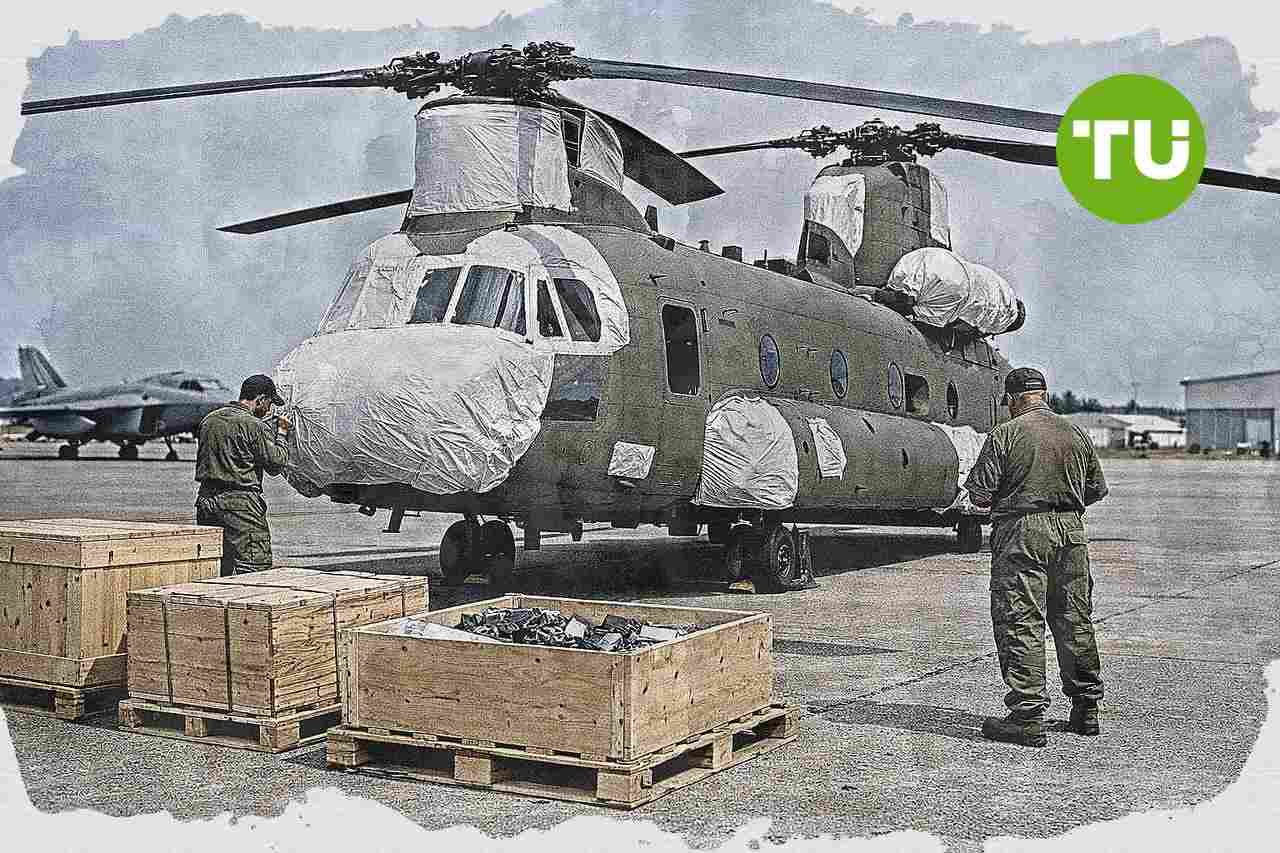
The House Armed Services Committee is moving forward with Tactical Air and Land Forces provisions in the FY27 National Defense Authorization Act that focus on procurement, sustainment and next-generation military systems. The package includes multiyear aircraft contracting authority, added rotorcraft purchases, expanded drone and counter-drone standards, and artillery production targets.
Highlights
- FY27 NDAA authorizes five-year multiyear procurement contracts for F-35 and F-15 EX aircraft, with an extra $600 million for spare F-35 parts.
- The panel's proposal funds seven additional CH-47 Chinooks, six Blackhawks, four MH-139A Grey Wolf helicopters, and full MV-75 Cheyenne development.
- The measure boosts drone and autonomy priorities with $20 million for Collaborative Combat Aircraft propulsion and mandates 155mm munitions production be scaled to 100,000 rounds monthly.
FY27 procurement plan targets aircraft, rotorcraft and munitions
As reported by the House Committee on Armed Services, Tactical Air and Land Forces Subcommittee Chairman Rob Wittman says the FY27 NDAA print is designed to sustain U.S. military capabilities while accelerating procurement across key aviation and weapons programs.The measure authorizes the Secretary of Defense to enter into five-year, multiyear procurement contracts for F-35 and F-15 EX aircraft. It also requires each procured aircraft to include initial spares, alternate mission equipment and conformal fuel tanks, while authorizing an additional $600 million for spare F-35 parts.
The proposal also provides funding for seven additional CH-47 Chinooks, six additional Blackhawks, four additional MH-139A Grey Wolf helicopters, and full funding for the Future Long Range Assault Aircraft program to continue development of the MV-75 Cheyenne. On munitions, it directs the Secretary of the Army to expand and upgrade facilities to reach a 155mm production capacity target of 100,000 rounds per month and requires a committee briefing on long-term production goals.
Autonomy and drone provisions shape defense technology priorities
The subcommittee print also expands support for small unmanned aircraft systems, reflecting their growing role in modern warfare. It sets standards for a common operating system for sUAS and for networked, autonomous and kinetic counter-sUAS capabilities, while requiring the establishment of test and training corridors and a strategy to sustain the drone fleet.Artificial intelligence and autonomy are another core part of the package. The measure adds $20 million for Collaborative Combat Aircraft propulsion technology integration, directs the Navy to brief lawmakers on its CCA acquisition strategy, and requires the Army to provide a briefing on its plans for commercially available ground autonomy solutions.
For the U.S. defense sector, the provisions signal continued demand across combat aircraft, helicopters, drones, munitions manufacturing and autonomous systems. They also point to a procurement approach that ties platform purchases more closely to lifecycle sustainment, spare parts availability and industrial capacity.
Our earlier coverage of House Appropriations Committee FY2027 spending legislation explained how Republicans advanced a Labor-HHS-Education bill that sets discretionary funding at $189.3 billion, about 3% below FY2026 levels. We noted that the proposal protects select priorities such as biomedical research, biodefense and rural health while signaling broader funding pressure for hospitals, research institutions, schools and state agencies as the appropriations process moves ahead.




Latest Rheinmetall News






-
 Afghanistan
-
 Albania
-
 Algeria
-
 Angola
-
 Argentina
-
 Armenia
-
 Australia
-
 Austria
-
 Azerbaijan
-
 Bahamas
-
 Bahrain
-
 Bangladesh
-
 Belarus
-
 Belgium
-
 Bolivia
-
 Botswana
-
 Brazil
-
 Brunei
-
 Bulgaria
-
 Cambodia
-
 Cameroon
-
 Canada
-
 Chile
Chile
-
 China
China
-
 Colombia
-
 Congo
Congo
-
 Costa Rica
-
 Cote d'Ivoire
-
 Croatia
-
 Cuba
Cuba
-
 Cyprus
-
 Czechia
-
 DR Congo
-
 Denmark
-
 Dominican Republic
-
 Ecuador
-
 Egypt
Egypt
-
 El Salvador
-
 Estonia
-
 Eswatini
-
 Ethiopia
-
 Finland
-
 France
-
 Georgia
-
 Germany
-
 Ghana
Ghana
-
 Greece
-
 Haiti
Haiti
-
 Hong Kong
-
 Hungary
-
 India
India
-
 Indonesia
-
 Iran, Islamic republic
-
 Iraq
Iraq
-
 Ireland
-
 Israel
-
 Italy
Italy
-
 Jamaica
-
 Japan
Japan
-
 Jordan
-
 Kazakhstan
-
 Kenya
Kenya
-
 Korea
Korea
-
 Kuwait
-
 Kyrgyzstan
-
 Laos
Laos
-
 Latvia
-
 Lebanon
-
 Lesotho
-
 Libya
Libya
-
 Lithuania
-
 Luxembourg
-
 Madagascar
-
 Malaysia
-
 Malta
Malta
-
 Mauritius
-
 Mexico
-
 Moldova
-
 Mongolia
-
 Montenegro
-
 Morocco
-
 Mozambique
-
 Myanmar
-
 Namibia
-
 Nepal
Nepal
-
 Netherlands
-
 New Zealand
-
 Nigeria
-
 North Macedonia
-
 Norway
-
 Oman
Oman
-
 Pakistan
-
 Palestine
-
 Panama
-
 Papua New Guinea
-
 Paraguay
-
 Peru
Peru
-
 Philippines
-
 Poland
-
 Portugal
-
 Puerto Rico
-
 Qatar
Qatar
-
 Reunion
-
 Romania
-
 Rwanda
-
 Saudi Arabia
-
 Serbia
-
 Singapore
-
 Slovakia
-
 Slovenia
-
 Somalia
-
 South Africa
-
 Spain
Spain
-
 Sri Lanka
-
 Sweden
-
 Switzerland
-
 Syria
Syria
-
 Taiwan
-
 Tajikistan
-
 Tanzania
-
 Thailand
-
 Trinidad and Tobago
-
 Tunisia
-
 Turkey
-
 UAE
UAE
-
 Uganda
-
 Ukraine
-
 United Kingdom
-
United States
-
 Uruguay
-
 Uzbekistan
-
 Venezuela
-
 Vietnam
-
 Yemen
Yemen
-
 Zambia
-
 Zimbabwe
- Forex
- Crypto












