

Germany secures Tomahawk missile purchase to bolster deterrence
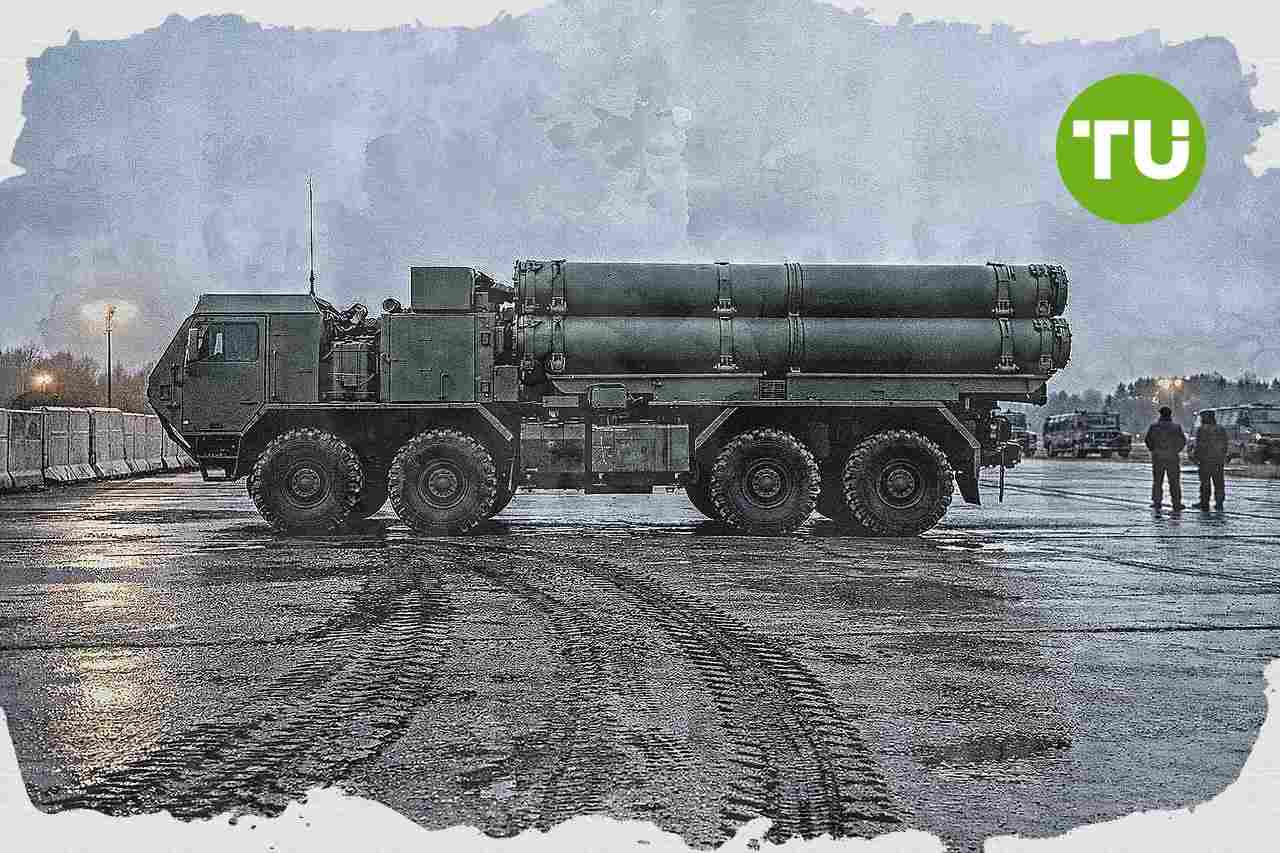
Germany is moving to strengthen its long-range strike capability after months of efforts to close a gap in its defence posture against Russia. The agreement to buy U.S. Tomahawk cruise missiles comes after Washington dropped plans to deploy a U.S. missile battalion in Germany and began pulling 5,000 troops from the country.
Highlights
- Germany agrees with Washington at the Nato summit in Ankara to purchase Tomahawk cruise missiles, addressing a major strategic defence gap.
- The U.S. shifted policy in May by halting the deployment of its long-range missile unit to Germany and withdrawing 5,000 troops after policy disagreements.
- Germany pushes for Tomahawks with Typhon launchers amid production delays and simultaneously accelerates European missile development and alternative options.
Missile agreement reached at Nato summit
As reported by Financial Times, Chancellor Friedrich Merz tells the Bundestag on Thursday that he reaches an agreement with Washington during the Nato summit in Ankara for Berlin to buy American Tomahawk cruise missiles. He says the purchase helps Germany close a significant strategic gap in its defence while it also works on developing and deploying European systems of its own.The deal marks a shift after strained exchanges in recent months between Merz and President Donald Trump. In May, the U.S. says its planned long-range missile unit will no longer be deployed to Germany, and it moves to withdraw 5,000 U.S. troops after Merz criticises the Iran war.
Merz does not give details on when the Tomahawks will be delivered. Other buyers are facing delays in part because Washington has used the weapons in its war against Iran, while U.S. production capacity remains stretched.
European defence gap and wider implications
The earlier plan to deploy a long-range U.S. unit in Germany had been agreed under former President Joe Biden as a response to Vladimir Putin's decision to station nuclear-capable Iskander missiles in Kaliningrad, placing Berlin within range. Europe currently has no immediately available ground-launched long-range systems, although the UK operates submarine-launched Tomahawks with a range of 1,600km and France has deployed a domestically built submarine-launched cruise missile with a range of 1,000km.Berlin has been pressing the Trump administration to sell Tomahawks together with Typhon ground launchers, according to people familiar with the strategy, after an initial request made a year earlier went unanswered. Defence Minister Boris Pistorius also tries to arrange talks in Washington but cancels the trip after he fails to secure a meeting with U.S. Defence Secretary Pete Hegseth.
At the same time, Germany is seeking to speed up European plans to build long-range cruise missiles and is also considering Ukraine's Flamingo cruise missile and other alternatives. Merz says the Nato summit outcome exceeds all his expectations and praises secretary-general Mark Rutte, adding that Nato is united, strong and confident.
Our earlier report on the renewed U.S.-Iran escalation around the Strait of Hormuz detailed how fresh U.S. strikes and Iranian retaliation heightened risks to commercial shipping and energy flows through a route critical to global oil and gas trade. We also noted the immediate market impact, with Brent crude jumping as hopes for a mid-June ceasefire faded and diplomatic options remained uncertain despite discussions on the sidelines of the NATO summit.











-
 Afghanistan
-
 Albania
-
 Algeria
-
 Angola
-
 Argentina
-
 Armenia
-
 Australia
-
 Austria
-
 Azerbaijan
-
 Bahamas
-
 Bahrain
-
 Bangladesh
-
 Belarus
-
 Belgium
-
 Bolivia
-
 Botswana
-
 Brazil
-
 Brunei
-
 Bulgaria
-
 Cambodia
-
 Cameroon
-
 Canada
-
 Chile
Chile
-
 China
China
-
 Colombia
-
 Congo
Congo
-
 Costa Rica
-
 Cote d'Ivoire
-
 Croatia
-
 Cuba
Cuba
-
 Cyprus
-
 Czechia
-
 DR Congo
-
 Denmark
-
 Dominican Republic
-
 Ecuador
-
 Egypt
Egypt
-
 El Salvador
-
 Estonia
-
 Eswatini
-
 Ethiopia
-
 Finland
-
 France
-
 Georgia
-
 Germany
-
 Ghana
Ghana
-
 Greece
-
 Haiti
Haiti
-
 Hong Kong
-
 Hungary
-
 India
India
-
 Indonesia
-
 Iran, Islamic republic
-
 Iraq
Iraq
-
 Ireland
-
 Israel
-
 Italy
Italy
-
 Jamaica
-
 Japan
Japan
-
 Jordan
-
 Kazakhstan
-
 Kenya
Kenya
-
 Korea
Korea
-
 Kuwait
-
 Kyrgyzstan
-
 Laos
Laos
-
 Latvia
-
 Lebanon
-
 Lesotho
-
 Libya
Libya
-
 Lithuania
-
 Luxembourg
-
 Madagascar
-
 Malaysia
-
 Malta
Malta
-
 Mauritius
-
 Mexico
-
 Moldova
-
 Mongolia
-
 Montenegro
-
 Morocco
-
 Mozambique
-
 Myanmar
-
 Namibia
-
 Nepal
Nepal
-
 Netherlands
-
 New Zealand
-
 Nigeria
-
 North Macedonia
-
 Norway
-
 Oman
Oman
-
 Pakistan
-
 Palestine
-
 Panama
-
 Papua New Guinea
-
 Paraguay
-
 Peru
Peru
-
 Philippines
-
 Poland
-
 Portugal
-
 Puerto Rico
-
 Qatar
Qatar
-
 Reunion
-
 Romania
-
 Rwanda
-
 Saudi Arabia
-
 Serbia
-
 Singapore
-
 Slovakia
-
 Slovenia
-
 Somalia
-
 South Africa
-
 Spain
Spain
-
 Sri Lanka
-
 Sweden
-
 Switzerland
-
 Syria
Syria
-
 Taiwan
-
 Tajikistan
-
 Tanzania
-
 Thailand
-
 Trinidad and Tobago
-
 Tunisia
-
 Turkey
-
 UAE
UAE
-
 Uganda
-
 Ukraine
-
 United Kingdom
-
United States
-
 Uruguay
-
 Uzbekistan
-
 Venezuela
-
 Vietnam
-
 Yemen
Yemen
-
 Zambia
-
 Zimbabwe
- Forex
- Crypto












