
U.S.-Iran ceasefire strains but talks remain alive

The United States said technical talks with Iran are still continuing, even after two days of military exchanges that pushed a fragile ceasefire close to collapse. The message appears aimed at keeping a diplomatic channel open while both sides accuse each other of violating the interim deal.
Highlights
- U.S.-Iran technical talks are continuing despite recent strikes.
- Trump said the ceasefire was over but did not block negotiations.
- Hormuz shipping risks remain central to the dispute.
- Oil rose earlier this week before steadying.
A U.S. official said Washington remains committed to finding a solution with Tehran, speaking after fresh U.S. strikes on Iranian targets and Iranian attacks on U.S. bases in the region, Bloomberg reports. Regional mediators, including Qatar and Pakistan, have also been trying to preserve the negotiating track after President Donald Trump said the U.S.-Iran ceasefire was “over.”
Diplomacy survives the latest clash
The current talks are part of a 60-day window created by the interim peace agreement between Washington and Tehran. That deal was meant to reopen the Strait of Hormuz, ease pressure on global energy flows, and set conditions for a broader accord.
The latest escalation has made that path harder. The U.S. said its strikes were a response to Iranian attacks on ships in the Strait of Hormuz, while Iran accused Washington of violating the truce and interfering with its control over the waterway.
Trump added to the uncertainty Wednesday when he said the ceasefire was over, though he also indicated that he would not block negotiators from continuing their work. Talks had already been delayed this week as Iran held funeral rites for former Supreme Leader Ali Khamenei.
Hormuz remains the central pressure point
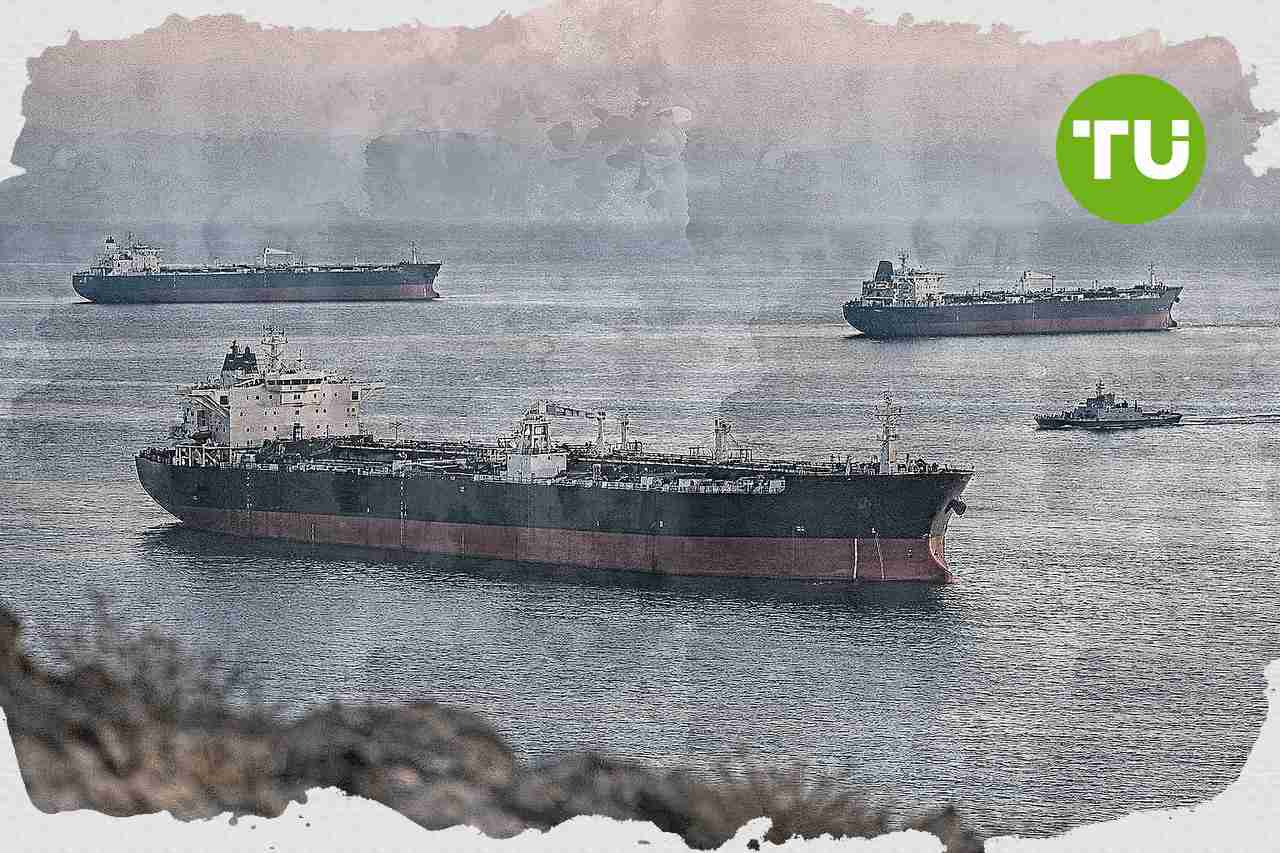
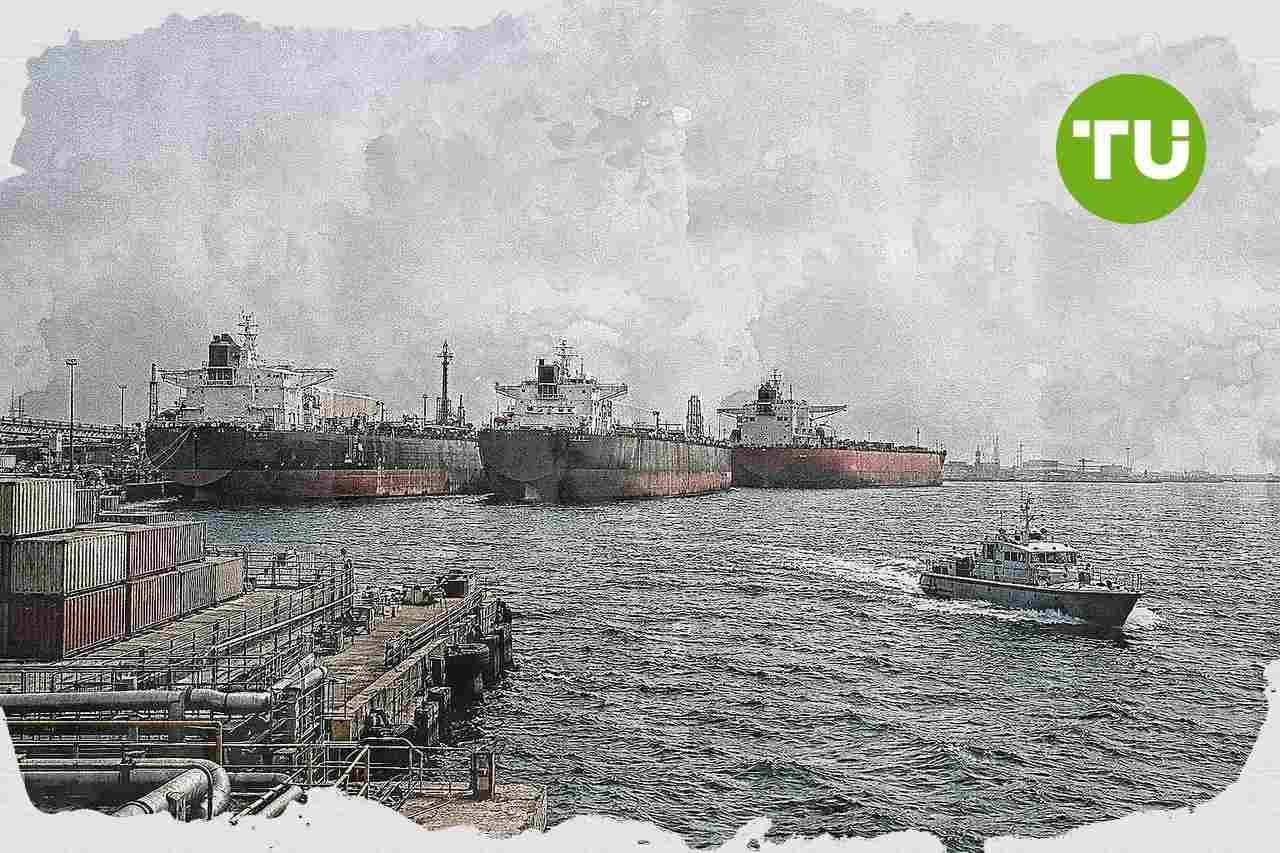
The dispute over Hormuz sits at the center of the negotiations. The waterway is one of the world’s most important energy routes, and the recent fighting slowed transit through the strait, raising concern in oil and shipping markets.
The U.S. Treasury also revoked a waiver that had allowed Iranian oil sales globally, adding another source of pressure. Oil prices jumped earlier in the week before steadying as traders reassessed whether the clashes would cause a deeper disruption to energy flows.
The main unresolved issues remain difficult: possible tolls on shipping through Hormuz, frozen Iranian assets, and Tehran’s nuclear ambitions. The U.S. official described Iran’s attacks on vessels as terrorism and said Tehran was failing to meet the deal’s performance-based conditions.
A narrow diplomatic opening
The fact that technical talks are continuing matters because it leaves a path away from full-scale war. The ceasefire is badly weakened, but not all channels have closed.
For markets, the issue is whether diplomacy can restore enough confidence for shipping through Hormuz to normalize. For Washington and Tehran, the harder test is whether they can move beyond crisis management and address the core disputes over shipping rights, oil sales, frozen assets, and Iran’s nuclear program.
Earlier, we reported that Qatar cut LNG ramp-up plans after the tanker strike.




Latest Iran war News





-
 Afghanistan
-
 Albania
-
 Algeria
-
 Angola
-
 Argentina
-
 Armenia
-
 Australia
-
 Austria
-
 Azerbaijan
-
 Bahamas
-
 Bahrain
-
 Bangladesh
-
 Belarus
-
 Belgium
-
 Bolivia
-
 Botswana
-
 Brazil
-
 Brunei
-
 Bulgaria
-
 Cambodia
-
 Cameroon
-
 Canada
-
 Chile
Chile
-
 China
China
-
 Colombia
-
 Congo
Congo
-
 Costa Rica
-
 Cote d'Ivoire
-
 Croatia
-
 Cuba
Cuba
-
 Cyprus
-
 Czechia
-
 DR Congo
-
 Denmark
-
 Dominican Republic
-
 Ecuador
-
 Egypt
Egypt
-
 El Salvador
-
 Estonia
-
 Eswatini
-
 Ethiopia
-
 Finland
-
 France
-
 Georgia
-
 Germany
-
 Ghana
Ghana
-
 Greece
-
 Haiti
Haiti
-
 Hong Kong
-
 Hungary
-
 India
India
-
 Indonesia
-
 Iran, Islamic republic
-
 Iraq
Iraq
-
 Ireland
-
 Israel
-
 Italy
Italy
-
 Jamaica
-
 Japan
Japan
-
 Jordan
-
 Kazakhstan
-
 Kenya
Kenya
-
 Korea
Korea
-
 Kuwait
-
 Kyrgyzstan
-
 Laos
Laos
-
 Latvia
-
 Lebanon
-
 Lesotho
-
 Libya
Libya
-
 Lithuania
-
 Luxembourg
-
 Madagascar
-
 Malaysia
-
 Malta
Malta
-
 Mauritius
-
 Mexico
-
 Moldova
-
 Mongolia
-
 Montenegro
-
 Morocco
-
 Mozambique
-
 Myanmar
-
 Namibia
-
 Nepal
Nepal
-
 Netherlands
-
 New Zealand
-
 Nigeria
-
 North Macedonia
-
 Norway
-
 Oman
Oman
-
 Pakistan
-
 Palestine
-
 Panama
-
 Papua New Guinea
-
 Paraguay
-
 Peru
Peru
-
 Philippines
-
 Poland
-
 Portugal
-
 Puerto Rico
-
 Qatar
Qatar
-
 Reunion
-
 Romania
-
 Rwanda
-
 Saudi Arabia
-
 Serbia
-
 Singapore
-
 Slovakia
-
 Slovenia
-
 Somalia
-
 South Africa
-
 Spain
Spain
-
 Sri Lanka
-
 Sweden
-
 Switzerland
-
 Syria
Syria
-
 Taiwan
-
 Tajikistan
-
 Tanzania
-
 Thailand
-
 Trinidad and Tobago
-
 Tunisia
-
 Turkey
-
 UAE
UAE
-
 Uganda
-
 Ukraine
-
 United Kingdom
-
United States
-
 Uruguay
-
 Uzbekistan
-
 Venezuela
-
 Vietnam
-
 Yemen
Yemen
-
 Zambia
-
 Zimbabwe
- Forex
- Crypto











