

U.S. commodity markets face Trump policy volatility as Iran conflict and tariffs reshape trade
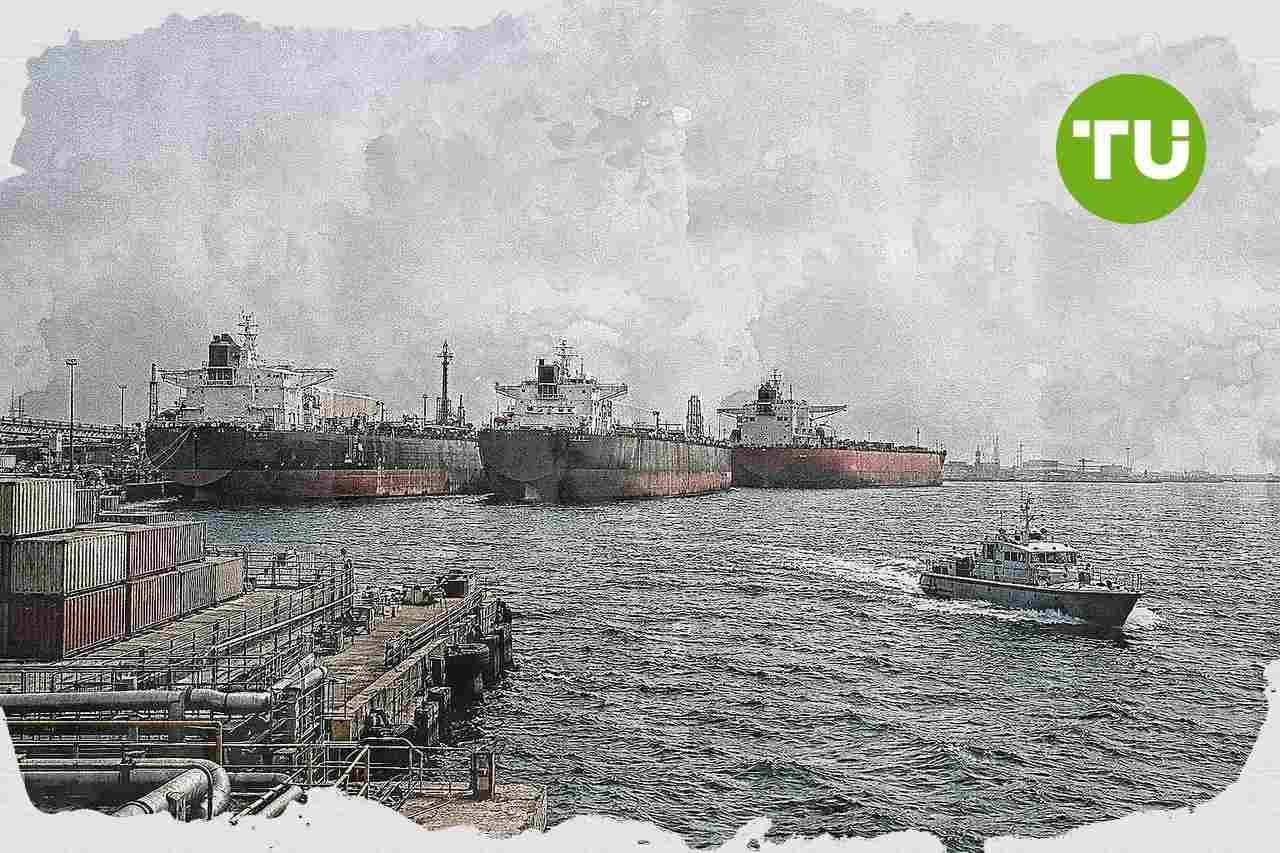
Commodity traders and major importers are reassessing risk as President Donald Trump's tariffs and confrontation with Iran continue to disrupt global trade flows. The pressure is especially visible in energy, metals and supply chains, where price swings and security concerns are forcing governments and companies to adjust sourcing and reserves.
Highlights
- Crude rises over 4% to a two-week high after the February 28 U.S.-Israel conflict with Iran raises persistent risks to Gulf energy routes supplying 20% of global crude and LNG.
- Trump's tariffs of up to 50% on U.S. copper imports widen the domestic premium over LME prices and trigger a surge in import volumes.
- U.S. allies and Asian importers reevaluate energy and commodity supply security, expanding strategic reserves and indirectly driving higher inflation and disrupted supply chains.
Trade disruptions widen across energy and metals
As reported by Reuters, the sharpest market impact comes from the conflict the U.S. and Israel launch against Iran on February 28, which raises new concerns about the security of the Strait of Hormuz and the reliability of Gulf supply routes.The article argues that, despite initial military gains, the conflict fails to achieve its stated aims, including eliminating Iran's ballistic missile capabilities. Instead, it leaves a higher level of risk hanging over crude oil, refined products and liquefied natural gas moving from the Gulf, a route that previously carries roughly 20% of the world's crude, refined products and LNG, along with significant volumes of sulphur and aluminium.
That risk is feeding directly into prices. Crude briefly returns to pre-war levels, but jumps more than 4% on Wednesday to a two-week high on fears of renewed disruption in Middle East supplies, while diesel and gasoline prices in Asia remain elevated and add costs for businesses and consumers.
Trump's tariff policy is also distorting metals markets. Expectations of tariffs of up to 50% on U.S. copper imports after his return to office in January last year drive a surge in imports as the premium for domestic prices over the London Metal Exchange benchmark widens.
Allies and importers rethink supply security
Countries and companies exposed to Gulf energy flows are now having to reconsider their supply strategies. U.S. allies such as Saudi Arabia, the United Arab Emirates and Kuwait must deal with a more emboldened Iran, while Asian buyers including Japan, South Korea, Singapore, China and India face renewed questions over energy security.That is likely to mean larger and more diversified strategic reserves, extending beyond crude and fuels to metals and commodities such as sulphur, which is critical for fertilisers and for sulphuric acid used in metal ore processing. The broader effect, the article says, is higher inflation, disrupted supply chains and a reassessment of the value of the U.S. as a dependable ally.
The commentary concludes that Trump's policies often create volatility and unintended consequences without meeting their intended goals. It notes, however, that one relative exception is the administration's effort to build critical minerals supply chains outside China's control, where agreements covering rare earths, lithium, cobalt and tungsten help unlock capital and support new mining and processing projects.
In our earlier article on WTI holding elevated amid renewed U.S.–Iran tensions, we explained how a rising geopolitical risk premium was keeping crude prices supported on concerns over potential disruptions near the Strait of Hormuz. We also noted that mixed U.S. inventory signals were adding to volatility even without a confirmed interruption in oil flows.





-
 Afghanistan
-
 Albania
-
 Algeria
-
 Angola
-
 Argentina
-
 Armenia
-
 Australia
-
 Austria
-
 Azerbaijan
-
 Bahamas
-
 Bahrain
-
 Bangladesh
-
 Belarus
-
 Belgium
-
 Bolivia
-
 Botswana
-
 Brazil
-
 Brunei
-
 Bulgaria
-
 Cambodia
-
 Cameroon
-
 Canada
-
 Chile
Chile
-
 China
China
-
 Colombia
-
 Congo
Congo
-
 Costa Rica
-
 Cote d'Ivoire
-
 Croatia
-
 Cuba
Cuba
-
 Cyprus
-
 Czechia
-
 DR Congo
-
 Denmark
-
 Dominican Republic
-
 Ecuador
-
 Egypt
Egypt
-
 El Salvador
-
 Estonia
-
 Eswatini
-
 Ethiopia
-
 Finland
-
 France
-
 Georgia
-
 Germany
-
 Ghana
Ghana
-
 Greece
-
 Haiti
Haiti
-
 Hong Kong
-
 Hungary
-
 India
India
-
 Indonesia
-
 Iran, Islamic republic
-
 Iraq
Iraq
-
 Ireland
-
 Israel
-
 Italy
Italy
-
 Jamaica
-
 Japan
Japan
-
 Jordan
-
 Kazakhstan
-
 Kenya
Kenya
-
 Korea
Korea
-
 Kuwait
-
 Kyrgyzstan
-
 Laos
Laos
-
 Latvia
-
 Lebanon
-
 Lesotho
-
 Libya
Libya
-
 Lithuania
-
 Luxembourg
-
 Madagascar
-
 Malaysia
-
 Malta
Malta
-
 Mauritius
-
 Mexico
-
 Moldova
-
 Mongolia
-
 Montenegro
-
 Morocco
-
 Mozambique
-
 Myanmar
-
 Namibia
-
 Nepal
Nepal
-
 Netherlands
-
 New Zealand
-
 Nigeria
-
 North Macedonia
-
 Norway
-
 Oman
Oman
-
 Pakistan
-
 Palestine
-
 Panama
-
 Papua New Guinea
-
 Paraguay
-
 Peru
Peru
-
 Philippines
-
 Poland
-
 Portugal
-
 Puerto Rico
-
 Qatar
Qatar
-
 Reunion
-
 Romania
-
 Rwanda
-
 Saudi Arabia
-
 Serbia
-
 Singapore
-
 Slovakia
-
 Slovenia
-
 Somalia
-
 South Africa
-
 Spain
Spain
-
 Sri Lanka
-
 Sweden
-
 Switzerland
-
 Syria
Syria
-
 Taiwan
-
 Tajikistan
-
 Tanzania
-
 Thailand
-
 Trinidad and Tobago
-
 Tunisia
-
 Turkey
-
 UAE
UAE
-
 Uganda
-
 Ukraine
-
 United Kingdom
-
United States
-
 Uruguay
-
 Uzbekistan
-
 Venezuela
-
 Vietnam
-
 Yemen
Yemen
-
 Zambia
-
 Zimbabwe
- Forex
- Crypto












