
Foreign investors keep expanding in U.S. despite policy and cost risks

Foreign companies are continuing to put money into the U.S. as manufacturers, technology groups and logistics operators weigh short-term disruption against long-term access to the world’s largest economy. Preliminary 2025 data show inbound foreign investment reaches its highest level since 2021, with manufacturing taking more than half of inflows and Japan leading investor countries.
Highlights
- Preliminary U.S. Bureau of Economic Analysis data show foreign investment in America reaches $232bn in 2025, with manufacturing comprising over half of inflows.
- Boston tops the 2026 FT-Nikkei Investing in America ranking, benefiting from intellectual capital and enhanced energy resilience measures amid growing power security concerns.
- Labour shortages, energy infrastructure needs, and tariff-related policy uncertainty pose material risks to future foreign investment, although long-term onshoring of manufacturing remains a dominant theme.
Investment drivers and expansion priorities
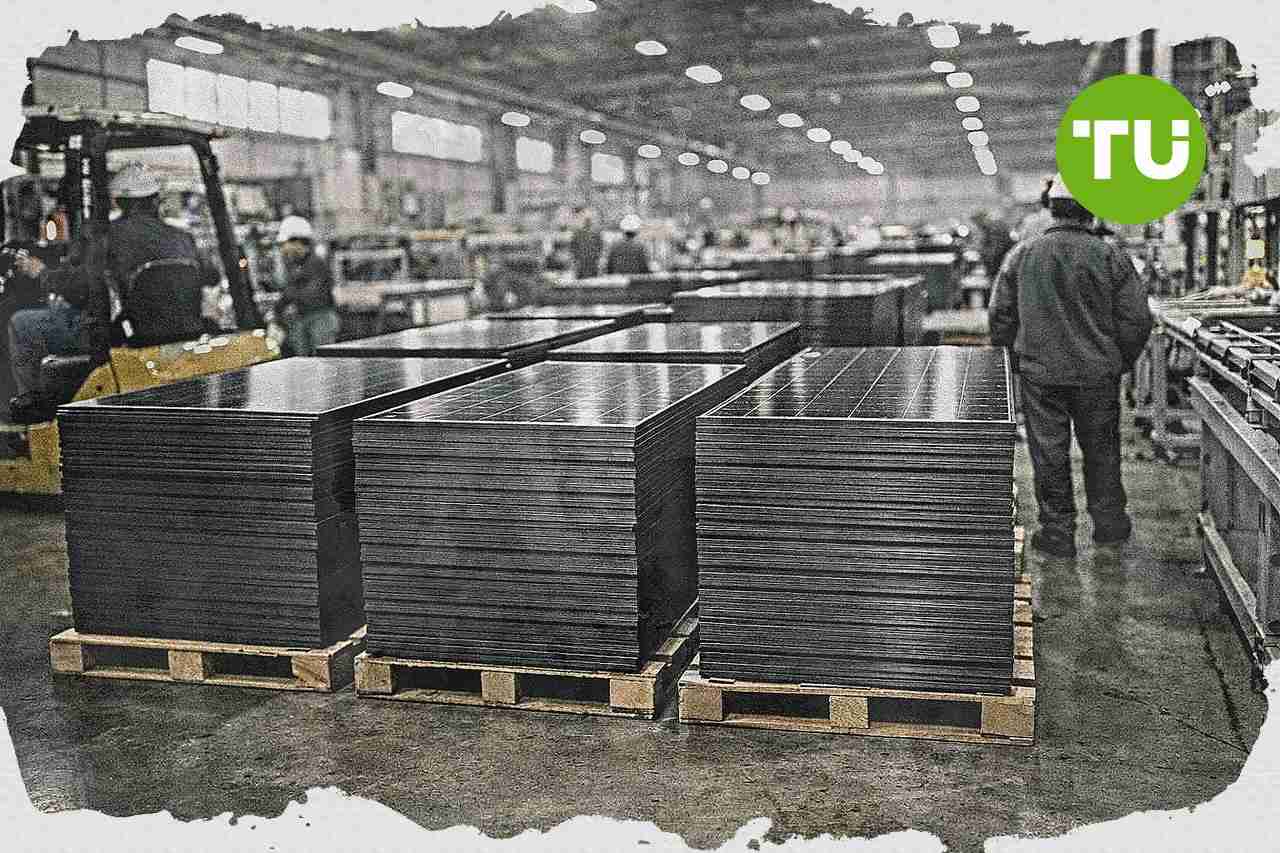
As reported by Financial Times, preliminary figures from the U.S. Bureau of Economic Analysis show foreign investment in America reaches $232bn in 2025, with acquisitions still dominating but expansions of existing facilities also increasing. Manufacturing accounts for more than half of inflows, while transportation and warehousing, computer and electronics manufacturing, and chemicals are among the sectors drawing new or expanding investment.The backdrop for that activity is a broad view among overseas investors that the U.S. remains too large to ignore, supported by steady economic growth, deep capital markets, commercial openness and a strong innovation base. At an FT event in New York in June tied to the 2026 FT-Nikkei Investing in America ranking, Boston takes the top spot, helped by its intellectual capital and a new energy resilience measure added as power security becomes more important.
The attraction of U.S. innovation is also shaping public and private capital decisions. Spain’s government decides in April 2026 to establish a biotechnology venture capital fund in Boston, seeking access to American research strength while allowing Spanish companies to retain intellectual property rights.
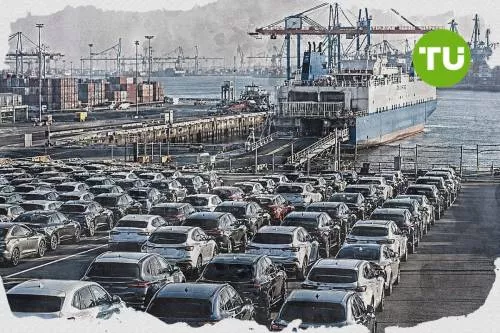
For many European and Japanese groups, the U.S. already serves as the largest single market by revenue, in some cases exceeding sales in their home markets or across the EU. Companies such as Honda, Komatsu, Toyota and Sony illustrate how deeply foreign manufacturers and consumer brands are already embedded in the U.S. economy, strengthening the case for further onshore production as industrial policy, tariffs and procurement rules reward local manufacturing.
Labour, energy and tariffs shape long-term outlook
The next phase of foreign investment is likely to depend less on headline demand and more on whether companies can secure labour, energy and regulatory certainty. Speakers at the June event say state and local conditions can determine project success, especially when large manufacturing investments can take six to eight years before production begins.Labour availability remains one of the biggest constraints. Companies point to the need for local colleges, apprenticeships and tailored training programmes to build skills in places where manufacturing talent is thin, and some cite Illinois and Kansas as positive examples of cooperation with educational institutions.
Energy infrastructure is also rising up the investment agenda as AI-led data centre growth increases electricity demand and war-related disruption sharpens the focus on resilience. Investors see scope for spending on pipelines, LNG facilities, grid upgrades, behind-the-meter supply and nuclear generation, while critical minerals and semiconductor manufacturing are also benefiting from a push to reduce reliance on vulnerable supply chains.
At the same time, tariffs, shifting trade rules and uncertain long-term policy remain major obstacles for companies planning new factories. Many groups still need to import equipment to build U.S. plants, meaning duty changes can raise costs mid-project, yet executives at the event largely maintain that the longer-term return of manufacturing to America remains a durable trend despite the near-term uncertainty.
Our earlier article on New York Fed research into tariff-driven price increases showed that many Mid-Atlantic firms are still passing higher import-tax costs on to customers, with a sizable share planning additional price hikes over the next six months or more. It also noted that contract timing and gradual rollouts can delay the full impact, while policymakers remain alert to renewed inflation risks if energy prices rise again.













-
 Afghanistan
-
 Albania
-
 Algeria
-
 Angola
-
 Argentina
-
 Armenia
-
 Australia
-
 Austria
-
 Azerbaijan
-
 Bahamas
-
 Bahrain
-
 Bangladesh
-
 Belarus
-
 Belgium
-
 Bolivia
-
 Botswana
-
 Brazil
-
 Brunei
-
 Bulgaria
-
 Cambodia
-
 Cameroon
-
 Canada
-
 Chile
Chile
-
 China
China
-
 Colombia
-
 Congo
Congo
-
 Costa Rica
-
 Cote d'Ivoire
-
 Croatia
-
 Cuba
Cuba
-
 Cyprus
-
 Czechia
-
 DR Congo
-
 Denmark
-
 Dominican Republic
-
 Ecuador
-
 Egypt
Egypt
-
 El Salvador
-
 Estonia
-
 Eswatini
-
 Ethiopia
-
 Finland
-
 France
-
 Georgia
-
 Germany
-
 Ghana
Ghana
-
 Greece
-
 Haiti
Haiti
-
 Hong Kong
-
 Hungary
-
 India
India
-
 Indonesia
-
 Iran, Islamic republic
-
 Iraq
Iraq
-
 Ireland
-
 Israel
-
 Italy
Italy
-
 Jamaica
-
 Japan
Japan
-
 Jordan
-
 Kazakhstan
-
 Kenya
Kenya
-
 Korea
Korea
-
 Kuwait
-
 Kyrgyzstan
-
 Laos
Laos
-
 Latvia
-
 Lebanon
-
 Lesotho
-
 Libya
Libya
-
 Lithuania
-
 Luxembourg
-
 Madagascar
-
 Malaysia
-
 Malta
Malta
-
 Mauritius
-
 Mexico
-
 Moldova
-
 Mongolia
-
 Montenegro
-
 Morocco
-
 Mozambique
-
 Myanmar
-
 Namibia
-
 Nepal
Nepal
-
 Netherlands
-
 New Zealand
-
 Nigeria
-
 North Macedonia
-
 Norway
-
 Oman
Oman
-
 Pakistan
-
 Palestine
-
 Panama
-
 Papua New Guinea
-
 Paraguay
-
 Peru
Peru
-
 Philippines
-
 Poland
-
 Portugal
-
 Puerto Rico
-
 Qatar
Qatar
-
 Reunion
-
 Romania
-
 Rwanda
-
 Saudi Arabia
-
 Serbia
-
 Singapore
-
 Slovakia
-
 Slovenia
-
 Somalia
-
 South Africa
-
 Spain
Spain
-
 Sri Lanka
-
 Sweden
-
 Switzerland
-
 Syria
Syria
-
 Taiwan
-
 Tajikistan
-
 Tanzania
-
 Thailand
-
 Trinidad and Tobago
-
 Tunisia
-
 Turkey
-
 UAE
UAE
-
 Uganda
-
 Ukraine
-
 United Kingdom
-
United States
-
 Uruguay
-
 Uzbekistan
-
 Venezuela
-
 Vietnam
-
 Yemen
Yemen
-
 Zambia
-
 Zimbabwe
- Forex
- Crypto











