

U.S. cattle market rallies as Texas screwworm case heightens herd risk
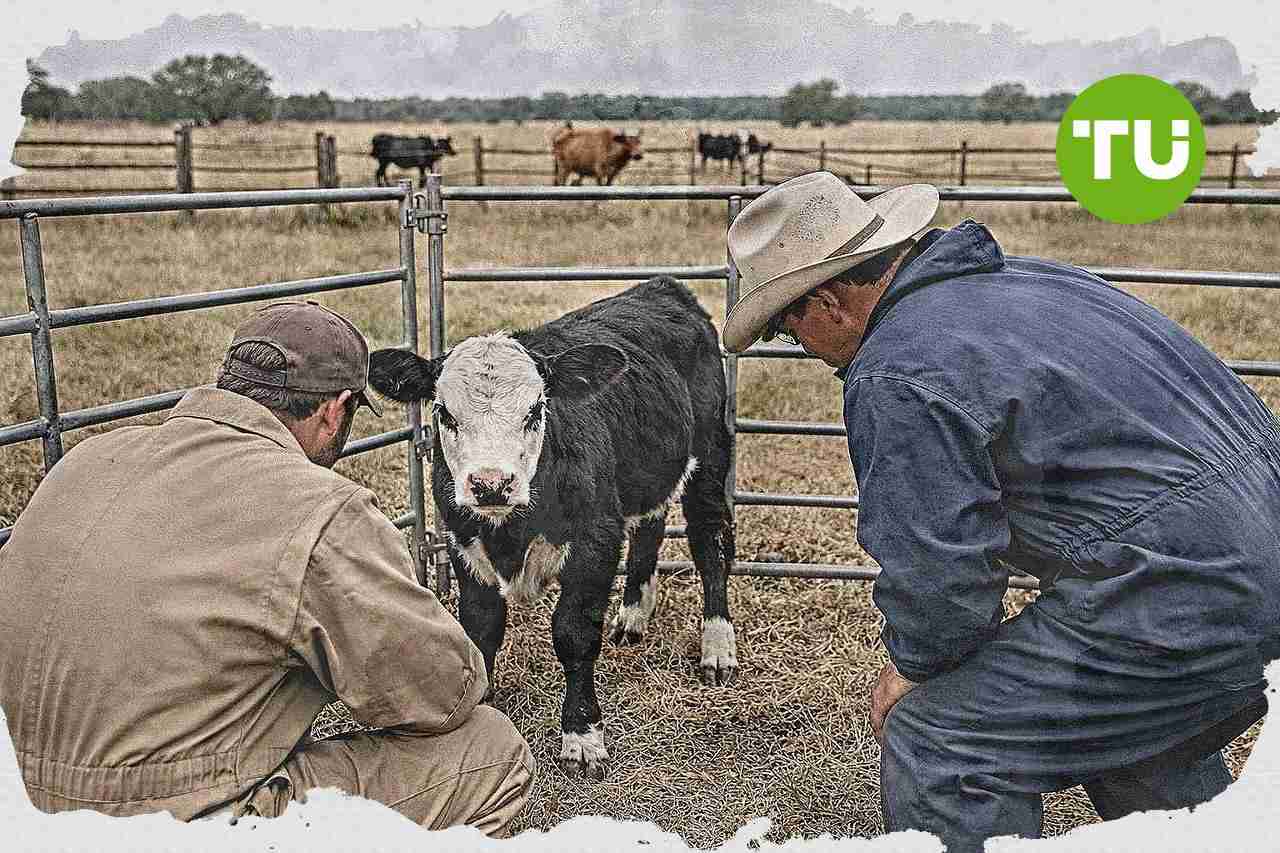
A confirmed case of New World screwworm in a Texas calf is putting ranchers and livestock traders on alert as the parasite reaches the U.S. after moving north through Mexico. The detection adds fresh risk to an already tight cattle market, where the national herd is at its smallest level in 75 years.
Highlights
- Feeder cattle futures on the Chicago Mercantile Exchange surged over 3% after USDA confirmed the first Texas screwworm case since 1966.
- Experts warn the screwworm infestation could cost Texas’ livestock industry up to $1.8 billion if spreading and exacerbate supply shortages from ongoing drought.
- Tight cattle supplies are forcing meatpackers like JBS, Cargill, and Tyson Foods to struggle for animals while USDA animal movement freezes intensify logistical challenges.
Texas detection drives market volatility
As reported by Reuters, U.S. feeder cattle futures surge on Thursday after the U.S. Department of Agriculture confirms late on Wednesday that New World screwworm is detected in a Texas calf, the first case in the state since 1966.USDA Secretary Brooke Rollins says on Thursday the agency believes it can contain the case, though traders initially send feeder cattle futures lower on the Chicago Mercantile Exchange amid concern the infestation could weaken consumer appetite for beef. Contracts quickly reverse course and rally by more than 3%.
Nate Sheets, the Republican nominee for Texas agriculture commissioner, calls the pest an agricultural emergency. Matt Wiegand, a commodity broker at FuturesOne, says the market is watching both the pace of spread and any consumer demand response, while cattle supplies remain tight.
Livestock industry faces broader supply pressure
The detection threatens Texas' livestock industry, which could face up to $1.8 billion in economic losses if screwworm spreads, according to experts cited in the report. Wider infestations could further reduce the U.S. cattle herd after drought already raises feeding costs and forces ranchers to cut back herds.That supply squeeze is already leaving meatpackers including JBS, Cargill and Tyson Foods struggling to secure enough animals for their beef plants. The Meat Institute urges USDA to consider allowing low-risk livestock shipments for slaughter after the agency freezes animal movement in an area around the case.
USDA has spent millions of dollars trying to keep the pest out, but Lee Haines, an associate research professor of biological sciences at the University of Notre Dame, says the infestation signals screwworm flies have reached the U.S. anyway and will expand in wildlife populations. He says the burden falls especially heavily on farmers who must monitor animals spread across large open rangeland.
Our earlier article on the House Agriculture Committee hearing outlined how lawmakers are pressing USDA to execute recently approved farm and nutrition measures, including commodity support programs and tighter SNAP oversight. It also highlighted USDA’s ongoing work on domestic fertilizer supply and coordinated New World screwworm eradication efforts, as officials and lawmakers emphasized the need for continued multi-agency coordination on biosecurity.





Latest Futures News






-
 Afghanistan
-
 Albania
-
 Algeria
-
 Angola
-
 Argentina
-
 Armenia
-
 Australia
-
 Austria
-
 Azerbaijan
-
 Bahamas
-
 Bahrain
-
 Bangladesh
-
 Belarus
-
 Belgium
-
 Bolivia
-
 Botswana
-
 Brazil
-
 Brunei
-
 Bulgaria
-
 Cambodia
-
 Cameroon
-
 Canada
-
 Chile
Chile
-
 China
China
-
 Colombia
-
 Congo
Congo
-
 Costa Rica
-
 Cote d'Ivoire
-
 Croatia
-
 Cuba
Cuba
-
 Cyprus
-
 Czechia
-
 DR Congo
-
 Denmark
-
 Dominican Republic
-
 Ecuador
-
 Egypt
Egypt
-
 El Salvador
-
 Estonia
-
 Eswatini
-
 Ethiopia
-
 Finland
-
 France
-
 Georgia
-
 Germany
-
 Ghana
Ghana
-
 Greece
-
 Haiti
Haiti
-
 Hong Kong
-
 Hungary
-
 India
India
-
 Indonesia
-
 Iran, Islamic republic
-
 Iraq
Iraq
-
 Ireland
-
 Israel
-
 Italy
Italy
-
 Jamaica
-
 Japan
Japan
-
 Jordan
-
 Kazakhstan
-
 Kenya
Kenya
-
 Korea
Korea
-
 Kuwait
-
 Kyrgyzstan
-
 Laos
Laos
-
 Latvia
-
 Lebanon
-
 Lesotho
-
 Libya
Libya
-
 Lithuania
-
 Luxembourg
-
 Madagascar
-
 Malaysia
-
 Malta
Malta
-
 Mauritius
-
 Mexico
-
 Moldova
-
 Mongolia
-
 Montenegro
-
 Morocco
-
 Mozambique
-
 Myanmar
-
 Namibia
-
 Nepal
Nepal
-
 Netherlands
-
 New Zealand
-
 Nigeria
-
 North Macedonia
-
 Norway
-
 Oman
Oman
-
 Pakistan
-
 Palestine
-
 Panama
-
 Papua New Guinea
-
 Paraguay
-
 Peru
Peru
-
 Philippines
-
 Poland
-
 Portugal
-
 Puerto Rico
-
 Qatar
Qatar
-
 Reunion
-
 Romania
-
 Rwanda
-
 Saudi Arabia
-
 Serbia
-
 Singapore
-
 Slovakia
-
 Slovenia
-
 Somalia
-
 South Africa
-
 Spain
Spain
-
 Sri Lanka
-
 Sweden
-
 Switzerland
-
 Syria
Syria
-
 Taiwan
-
 Tajikistan
-
 Tanzania
-
 Thailand
-
 Trinidad and Tobago
-
 Tunisia
-
 Turkey
-
 UAE
UAE
-
 Uganda
-
 Ukraine
-
 United Kingdom
-
United States
-
 Uruguay
-
 Uzbekistan
-
 Venezuela
-
 Vietnam
-
 Yemen
Yemen
-
 Zambia
-
 Zimbabwe
- Forex
- Crypto












