
U.S. expands Cuba sanctions to military entities and senior officials
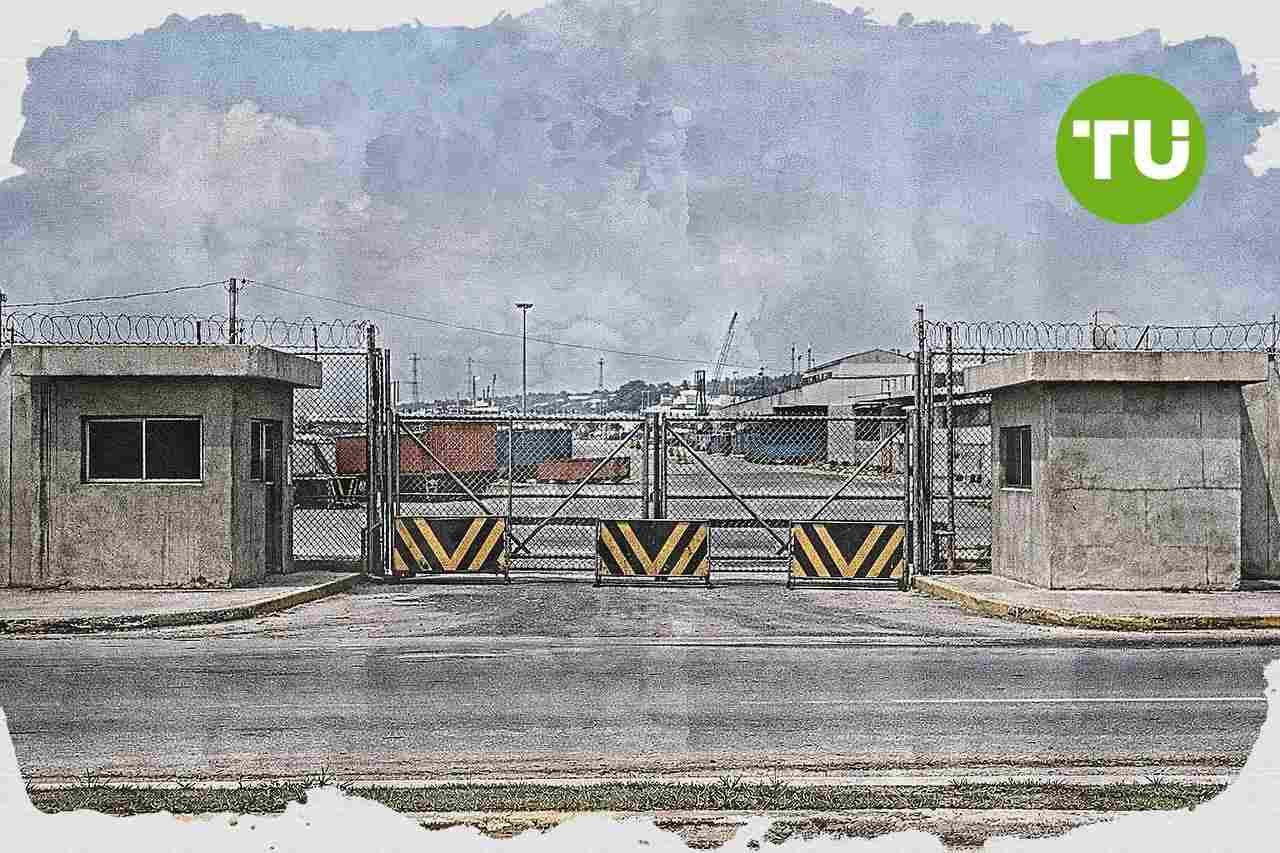
Washington is widening sanctions on Cuban state entities and individuals under a new executive order aimed at threats to U.S. national security and repression in Cuba. The measures extend to the Cuban military apparatus, including the Ministry of the Revolutionary Armed Forces, and increase risks for parties dealing with blocked entities and their majority-owned subsidiaries.
Highlights
- The U.S. State Department, under Executive Order 14404, imposed sanctions on five Cuban entities and five officials, including President Miguel Díaz-Canel Bermudez, for supporting repression and threatening national security.
- Sanctions now include Cuba's Ministry of the Revolutionary Armed Forces (MINFAR), treating its majority holdings and subsidiaries as blocked, expanding restrictions beyond previous actions against GAESA.
- Businesses and individuals face heightened compliance risks when engaging with entities 50% or more owned by GAESA, MINFAR, or the Ministry of the Interior, following new designations including a Cuban government gold mining joint venture.
Sanctions scope under new executive order
As reported by the U.S. Department of State, the new measures are issued under President Trump's Executive Order 14404 of May 1, 2026, which authorizes sanctions on people and organizations tied to repression in Cuba and threats to U.S. national security and foreign policy. Secretary of State Marco Rubio says the action designates five Cuban entities and five individuals accused of supporting the Cuban government's efforts to subvert U.S. interests.The designated targets include Cuban President Miguel Díaz-Canel Bermudez, Alejandro Castro Espín, and other members of what the department describes as networks that direct or fund the government's activities in Cuba, the United States, and other countries. The State Department says the sanctions are aimed at actors it accuses of sustaining the regime's political and security structure as well as its broader international influence operations.
The department also says the action supports Executive Order 14380 and National Security Presidential Memorandum 5, which set out U.S. policy goals including human rights, rule of law, free markets, and democracy in Cuba. A State Department fact sheet provides additional details on the designations announced on Wednesday.
Military holdings and compliance risks
The latest step also tightens pressure on the Cuban military's commercial network. After previously sanctioning Grupo de Administración Empresarial, or GAESA, the State Department is now sanctioning the Ministry of the Revolutionary Armed Forces of Cuba, known as MINFAR, and says its majority holdings and subsidiaries are treated as blocked.That move widens potential compliance exposure for businesses and individuals dealing with entities owned 50% or more by GAESA, MINFAR, or the already designated Ministry of the Interior. The department also says it is designating a Cuban government gold mining joint venture that it accuses of enriching military and political elites while the broader population faces economic hardship.
Our earlier coverage of congressional pressure to reauthorize fentanyl sanctions outlined how U.S. lawmakers intensified scrutiny of China-linked chemical supply networks and trafficking finance. The article highlighted the policy deadline created by expiring sanctions and warned businesses in chemicals, logistics, and cross-border trade about ongoing compliance risk and tougher enforcement scrutiny.




Latest UN Sanctions News








-
 Afghanistan
-
 Albania
-
 Algeria
-
 Angola
-
 Argentina
-
 Armenia
-
 Australia
-
 Austria
-
 Azerbaijan
-
 Bahamas
-
 Bahrain
-
 Bangladesh
-
 Belarus
-
 Belgium
-
 Bolivia
-
 Botswana
-
 Brazil
-
 Brunei
-
 Bulgaria
-
 Cambodia
-
 Cameroon
-
 Canada
-
 Chile
Chile
-
 China
China
-
 Colombia
-
 Congo
Congo
-
 Costa Rica
-
 Cote d'Ivoire
-
 Croatia
-
 Cuba
Cuba
-
 Cyprus
-
 Czechia
-
 DR Congo
-
 Denmark
-
 Dominican Republic
-
 Ecuador
-
 Egypt
Egypt
-
 El Salvador
-
 Estonia
-
 Eswatini
-
 Ethiopia
-
 Finland
-
 France
-
 Georgia
-
 Germany
-
 Ghana
Ghana
-
 Greece
-
 Haiti
Haiti
-
 Hong Kong
-
 Hungary
-
 India
India
-
 Indonesia
-
 Iran, Islamic republic
-
 Iraq
Iraq
-
 Ireland
-
 Israel
-
 Italy
Italy
-
 Jamaica
-
 Japan
Japan
-
 Jordan
-
 Kazakhstan
-
 Kenya
Kenya
-
 Korea
Korea
-
 Kuwait
-
 Kyrgyzstan
-
 Laos
Laos
-
 Latvia
-
 Lebanon
-
 Lesotho
-
 Libya
Libya
-
 Lithuania
-
 Luxembourg
-
 Madagascar
-
 Malaysia
-
 Malta
Malta
-
 Mauritius
-
 Mexico
-
 Moldova
-
 Mongolia
-
 Montenegro
-
 Morocco
-
 Mozambique
-
 Myanmar
-
 Namibia
-
 Nepal
Nepal
-
 Netherlands
-
 New Zealand
-
 Nigeria
-
 North Macedonia
-
 Norway
-
 Oman
Oman
-
 Pakistan
-
 Palestine
-
 Panama
-
 Papua New Guinea
-
 Paraguay
-
 Peru
Peru
-
 Philippines
-
 Poland
-
 Portugal
-
 Puerto Rico
-
 Qatar
Qatar
-
 Reunion
-
 Romania
-
 Rwanda
-
 Saudi Arabia
-
 Serbia
-
 Singapore
-
 Slovakia
-
 Slovenia
-
 Somalia
-
 South Africa
-
 Spain
Spain
-
 Sri Lanka
-
 Sweden
-
 Switzerland
-
 Syria
Syria
-
 Taiwan
-
 Tajikistan
-
 Tanzania
-
 Thailand
-
 Trinidad and Tobago
-
 Tunisia
-
 Turkey
-
 UAE
UAE
-
 Uganda
-
 Ukraine
-
 United Kingdom
-
United States
-
 Uruguay
-
 Uzbekistan
-
 Venezuela
-
 Vietnam
-
 Yemen
Yemen
-
 Zambia
-
 Zimbabwe
- Forex
- Crypto











