
U.S. trade office proposes forced labor tariffs on 59 countries and EU
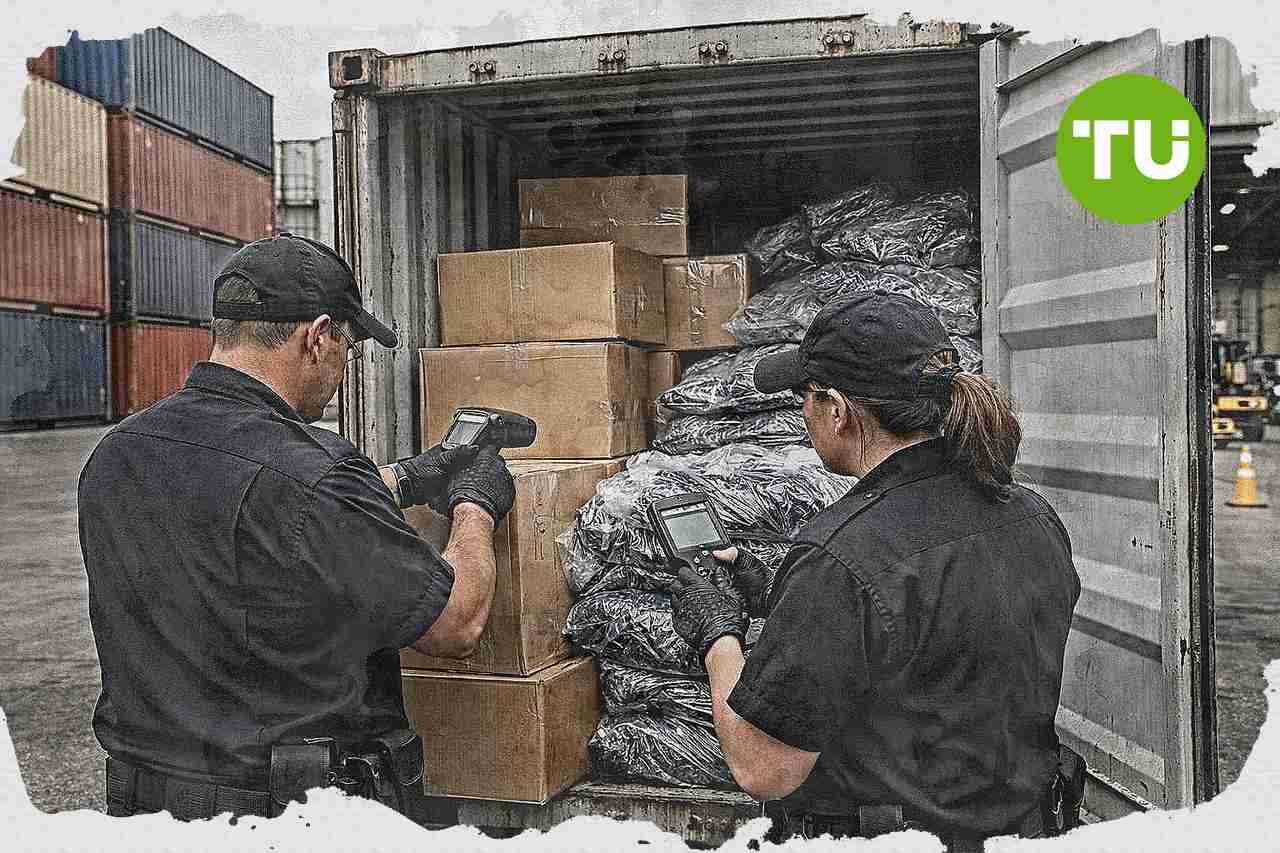
The White House is pursuing a new route for President Donald Trump's trade agenda after the Supreme Court struck down his broader global tariff plan. The latest proposal targets 59 countries and the European Union with tariffs of up to 12.5% tied to alleged failures to curb imports made with forced labor.
Highlights
- The Office of the U.S. Trade Representative invoked Section 301 to propose tariffs on goods from 59 countries and the European Union over forced labor concerns, citing global competition harms.
- The Section 301 probe was completed in less than three months, far shorter than the typical 12-months, and applies to a broader range of countries than past actions, raising legal challenge risks.
- Despite strict U.S. laws, a 2025 Homeland Security report found the U.S. is a significant direct importer of at-risk goods, complicating justifications for imposing forced labor tariffs abroad.
Section 301 case and legal scrutiny
As first reported by CNBC, the Office of the U.S. Trade Representative is using Section 301 of the Trade Act of 1974 to justify the proposed measures, arguing that major trading partners have failed to restrict goods produced with forced labor. Trade Representative Jameison Greer says that failure leaves American workers competing on an uneven global playing field.Trade and labor specialists say the case is unusually broad and is likely to face legal challenges. They note that Section 301 actions have typically been more targeted, while this investigation covers 59 countries and the European Union and produces findings in less than three months, far shorter than the usual 12-month window for such probes.
Experts also say the policy approach simplifies a highly complex supply chain issue. Because production is spread across multiple countries and intermediaries, tracing labor conditions through sectors such as garments, autos, mining and manufacturing remains difficult, even when importers and regulators have strict rules on paper.
Forced labor risks and U.S. enforcement limits
Forced labor remains a major global trafficking issue, with the International Labour Organization estimating 27.6 million victims and $236 billion in illegal profits each year. The practice spans industry, services, agriculture and domestic work, and has overtaken sexual exploitation as the largest category of human trafficking.The U.S. already has some of the strictest laws in this area, including Section 307 of the Tariff Act of 1930 and the Uyghur Forced Labor Prevention Act covering China's Xinjiang region. Even so, enforcement remains difficult because of fraud in the import process, growth in direct-to-consumer e-commerce and limited supply chain tracing tools, according to a recent congressional review.
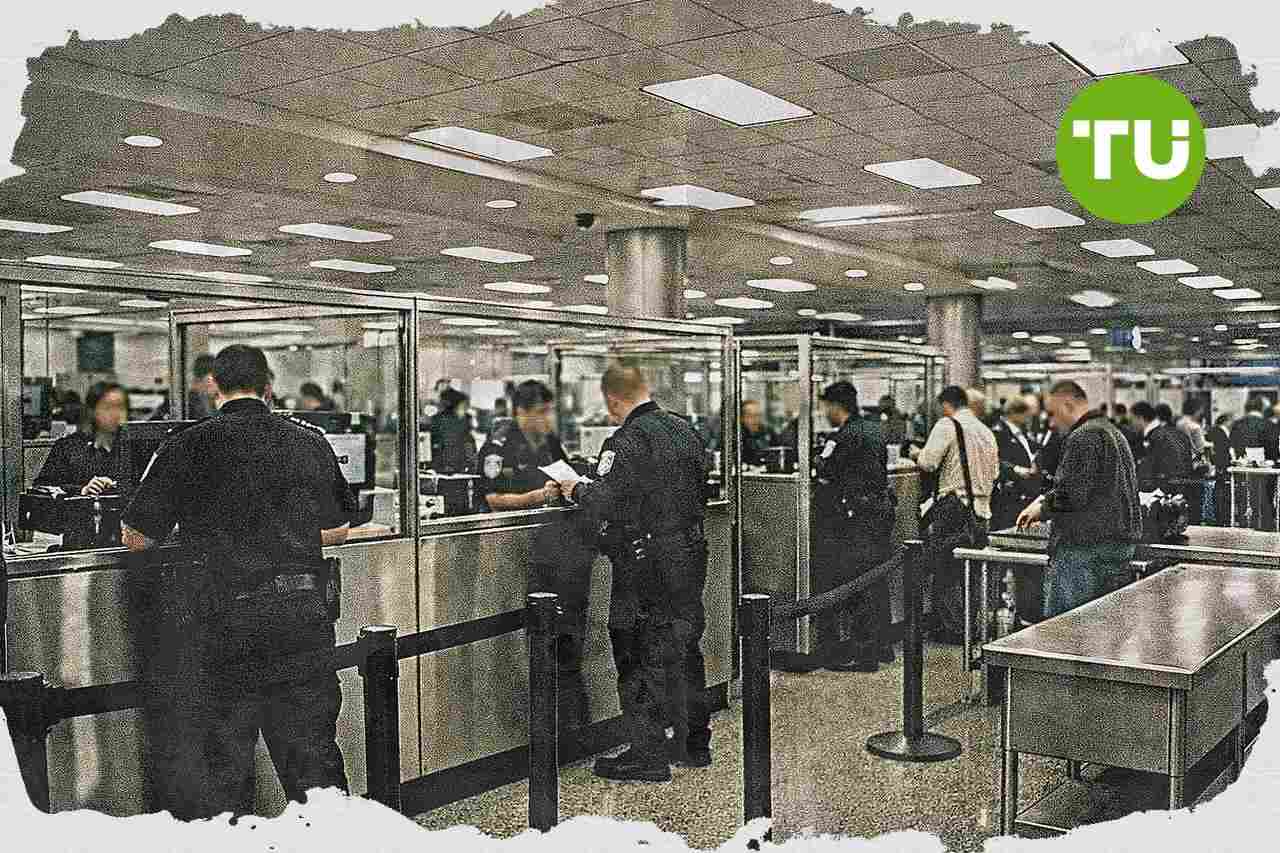
A 2025 report by the Homeland Security Operational Analysis Center says the U.S. accounts for a disproportionately large share of direct imports of at-risk goods. Legal analysts say that weakens the simplicity of the USTR argument, because the United States itself continues to struggle to detect and block forced labor goods as it presses other economies to do more.
Our earlier coverage of House oversight measures to curb improper federal payments outlined how lawmakers are trying to stop fraudulent and erroneous payouts before money leaves the Treasury. The package would expand agencies’ use of Treasury screening tools such as the Do Not Pay system, require upfront anti-fraud risk checks, and broaden access to certain datasets to improve detection while preserving privacy safeguards.


Latest Excellence Trade News





-
 Afghanistan
-
 Albania
-
 Algeria
-
 Angola
-
 Argentina
-
 Armenia
-
 Australia
-
 Austria
-
 Azerbaijan
-
 Bahamas
-
 Bahrain
-
 Bangladesh
-
 Belarus
-
 Belgium
-
 Bolivia
-
 Botswana
-
 Brazil
-
 Brunei
-
 Bulgaria
-
 Cambodia
-
 Cameroon
-
 Canada
-
 Chile
Chile
-
 China
China
-
 Colombia
-
 Congo
Congo
-
 Costa Rica
-
 Cote d'Ivoire
-
 Croatia
-
 Cuba
Cuba
-
 Cyprus
-
 Czechia
-
 DR Congo
-
 Denmark
-
 Dominican Republic
-
 Ecuador
-
 Egypt
Egypt
-
 El Salvador
-
 Estonia
-
 Eswatini
-
 Ethiopia
-
 Finland
-
 France
-
 Georgia
-
 Germany
-
 Ghana
Ghana
-
 Greece
-
 Haiti
Haiti
-
 Hong Kong
-
 Hungary
-
 India
India
-
 Indonesia
-
 Iran, Islamic republic
-
 Iraq
Iraq
-
 Ireland
-
 Israel
-
 Italy
Italy
-
 Jamaica
-
 Japan
Japan
-
 Jordan
-
 Kazakhstan
-
 Kenya
Kenya
-
 Korea
Korea
-
 Kuwait
-
 Kyrgyzstan
-
 Laos
Laos
-
 Latvia
-
 Lebanon
-
 Lesotho
-
 Libya
Libya
-
 Lithuania
-
 Luxembourg
-
 Madagascar
-
 Malaysia
-
 Malta
Malta
-
 Mauritius
-
 Mexico
-
 Moldova
-
 Mongolia
-
 Montenegro
-
 Morocco
-
 Mozambique
-
 Myanmar
-
 Namibia
-
 Nepal
Nepal
-
 Netherlands
-
 New Zealand
-
 Nigeria
-
 North Macedonia
-
 Norway
-
 Oman
Oman
-
 Pakistan
-
 Palestine
-
 Panama
-
 Papua New Guinea
-
 Paraguay
-
 Peru
Peru
-
 Philippines
-
 Poland
-
 Portugal
-
 Puerto Rico
-
 Qatar
Qatar
-
 Reunion
-
 Romania
-
 Rwanda
-
 Saudi Arabia
-
 Serbia
-
 Singapore
-
 Slovakia
-
 Slovenia
-
 Somalia
-
 South Africa
-
 Spain
Spain
-
 Sri Lanka
-
 Sweden
-
 Switzerland
-
 Syria
Syria
-
 Taiwan
-
 Tajikistan
-
 Tanzania
-
 Thailand
-
 Trinidad and Tobago
-
 Tunisia
-
 Turkey
-
 UAE
UAE
-
 Uganda
-
 Ukraine
-
 United Kingdom
-
United States
-
 Uruguay
-
 Uzbekistan
-
 Venezuela
-
 Vietnam
-
 Yemen
Yemen
-
 Zambia
-
 Zimbabwe
- Forex
- Crypto












