
House Agriculture Committee outlines USMCA review priorities for U.S. farm trade
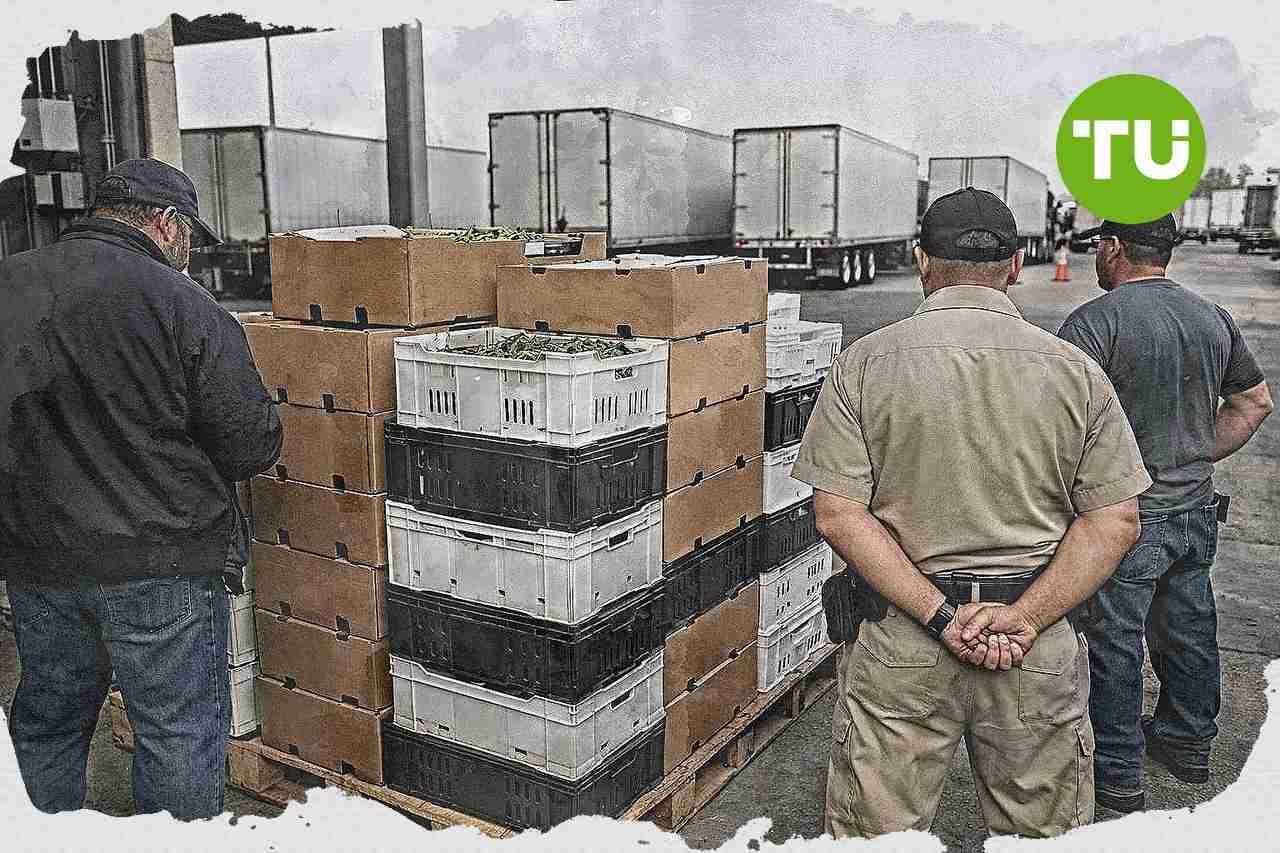
With the U.S.-Mexico-Canada trade pact nearing its scheduled review, the House Agriculture Committee is highlighting its economic importance for American farm exports and rural industries. Chairman Glenn Thompson says the agreement supports market access across key commodities while leaving unresolved issues in dairy, forest products and regulatory rules ahead of renegotiations.
Highlights
- USMCA review scheduled for July focuses on maintaining tariff-free agricultural trade and expanding U.S. market access to Mexico and Canada.
- In 2024, U.S. farm and seafood exports to Canada and Mexico generate $149 billion economic contribution, support nearly 500,000 jobs, and total over $60 billion in annual exports.
- Lawmakers highlight unresolved USMCA issues including Canada's dairy quotas, binational panel review challenges in forest products, and call for stronger labor, biotech, and food safety standards.
Committee sets agenda for July review
As reported by the House Committee on Agriculture, Thompson says USMCA remains a central trade framework for U.S. agriculture as lawmakers examine priorities for the agreement's upcoming review in July. In opening remarks at a full committee hearing on the future of USMCA, he describes the pact as a more reciprocal and balanced arrangement with Mexico and Canada after it entered into force on July 1, 2020.Thompson says the agreement preserves tariff-free treatment for certain agricultural products and expands market access for a range of U.S.-grown commodities. He argues those terms benefit farmers, ranchers, foresters, agribusinesses, consumers and the broader U.S. economy.
The chairman cites economic models showing that agricultural and seafood exports to Canada and Mexico generate $149 billion in total economic contribution to the U.S. economy in 2024, support nearly half a million jobs and produce $36 billion in wages. Since USMCA takes effect, he says Mexico and Canada together purchase more than $60 billion in U.S. agricultural commodities annually, or about one-third of all U.S. agricultural exports.
Sector gains and unresolved trade issues
Thompson says Mexico and Canada account for more than 40% of U.S. dairy exports by value, making USMCA the most commercially significant trade agreement for the U.S. dairy industry. He adds that, in forest products, Canada represents 39% of imports and Mexico makes up 24% of the export market, while U.S. fruit and vegetable exports to the two countries exceed $7 billion in 2024, about two-thirds of global U.S. fresh produce exports.For soybeans, he says Canada and Mexico together account for $4 billion in exports in marketing year 2024. In meat and poultry, U.S. exports exceed $23 billion in 2025, with Canada and Mexico representing $8 billion of that total.
Thompson also points to USMCA rules on sanitary and phytosanitary measures as support for agribusiness by helping prevent health and safety regulations from becoming trade barriers. He cites a Purdue University study that finds North American trade agreements, including USMCA, help lower food prices for U.S. households by an estimated $700 a year.
At the same time, Thompson says several areas need improvement in the next round of talks. He says Canada's implementation of dairy commitments on tariff-rate quotas and export disciplines falls short, while U.S. forest products manufacturers continue to face difficulties under the Chapter 10 binational panel review process. He adds that stronger labor requirements, biotechnology provisions, food safety standards and registration approvals will be important in the renegotiations.
In our earlier article on foreign direct investment in the United States in 2025, we noted that first-year spending jumped to $232.2 billion, driven largely by acquisitions of existing U.S. businesses. The data also showed manufacturing taking the biggest share of investment, with Japan and Canada among the leading source countries and California attracting the most capital—underscoring how cross-border economic activity supports U.S. jobs and production alongside trade flows.





Latest Census News









-
 Afghanistan
-
 Albania
-
 Algeria
-
 Angola
-
 Argentina
-
 Armenia
-
 Australia
-
 Austria
-
 Azerbaijan
-
 Bahamas
-
 Bahrain
-
 Bangladesh
-
 Belarus
-
 Belgium
-
 Bolivia
-
 Botswana
-
 Brazil
-
 Brunei
-
 Bulgaria
-
 Cambodia
-
 Cameroon
-
 Canada
-
 Chile
Chile
-
 China
China
-
 Colombia
-
 Congo
Congo
-
 Costa Rica
-
 Cote d'Ivoire
-
 Croatia
-
 Cuba
Cuba
-
 Cyprus
-
 Czechia
-
 DR Congo
-
 Denmark
-
 Dominican Republic
-
 Ecuador
-
 Egypt
Egypt
-
 El Salvador
-
 Estonia
-
 Eswatini
-
 Ethiopia
-
 Finland
-
 France
-
 Georgia
-
 Germany
-
 Ghana
Ghana
-
 Greece
-
 Haiti
Haiti
-
 Hong Kong
-
 Hungary
-
 India
India
-
 Indonesia
-
 Iran, Islamic republic
-
 Iraq
Iraq
-
 Ireland
-
 Israel
-
 Italy
Italy
-
 Jamaica
-
 Japan
Japan
-
 Jordan
-
 Kazakhstan
-
 Kenya
Kenya
-
 Korea
Korea
-
 Kuwait
-
 Kyrgyzstan
-
 Laos
Laos
-
 Latvia
-
 Lebanon
-
 Lesotho
-
 Libya
Libya
-
 Lithuania
-
 Luxembourg
-
 Madagascar
-
 Malaysia
-
 Malta
Malta
-
 Mauritius
-
 Mexico
-
 Moldova
-
 Mongolia
-
 Montenegro
-
 Morocco
-
 Mozambique
-
 Myanmar
-
 Namibia
-
 Nepal
Nepal
-
 Netherlands
-
 New Zealand
-
 Nigeria
-
 North Macedonia
-
 Norway
-
 Oman
Oman
-
 Pakistan
-
 Palestine
-
 Panama
-
 Papua New Guinea
-
 Paraguay
-
 Peru
Peru
-
 Philippines
-
 Poland
-
 Portugal
-
 Puerto Rico
-
 Qatar
Qatar
-
 Reunion
-
 Romania
-
 Rwanda
-
 Saudi Arabia
-
 Serbia
-
 Singapore
-
 Slovakia
-
 Slovenia
-
 Somalia
-
 South Africa
-
 Spain
Spain
-
 Sri Lanka
-
 Sweden
-
 Switzerland
-
 Syria
Syria
-
 Taiwan
-
 Tajikistan
-
 Tanzania
-
 Thailand
-
 Trinidad and Tobago
-
 Tunisia
-
 Turkey
-
 UAE
UAE
-
 Uganda
-
 Ukraine
-
 United Kingdom
-
United States
-
 Uruguay
-
 Uzbekistan
-
 Venezuela
-
 Vietnam
-
 Yemen
Yemen
-
 Zambia
-
 Zimbabwe
- Forex
- Crypto












