
U.S. trade deficit narrows in April as exports and imports rise
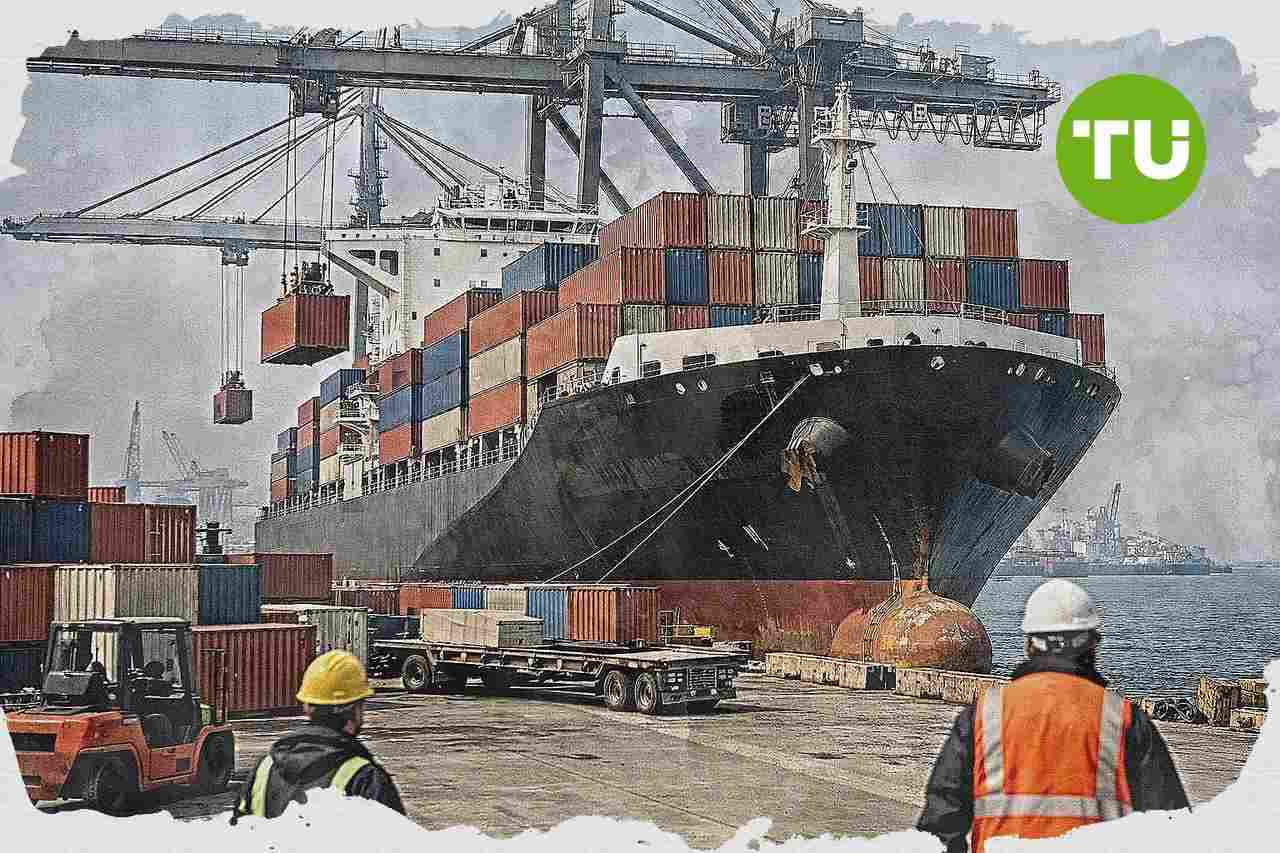
Fresh U.S. trade data for April shows the goods and services deficit easing slightly from the prior month, even as both exports and imports increase. The monthly balance reflects a narrower goods deficit and a smaller services surplus, while the year-to-date gap is sharply below the same period in 2025.
Highlights
- U.S. goods and services trade deficit narrowed to $55.9 billion in April from $56.6 billion in March as both exports and imports increased.
- April exports rose $8.3 billion to $327.1 billion, driven by an $8.7 billion increase in goods exports, especially a $4.0 billion gain in capital goods.
- Year-to-date, the U.S. trade deficit shrank by $213.5 billion or 49.1% compared to 2025, with exports up $128.2 billion and imports down $85.3 billion.
April trade figures and monthly shifts
As reported by the U.S. Bureau of Economic Analysis and the U.S. Census Bureau, the U.S. goods and services deficit stands at $55.9 billion in April, down $0.7 billion from a revised $56.6 billion in March.April exports total $327.1 billion, up $8.3 billion from March, while imports reach $383.0 billion, up $7.6 billion. The April decrease in the overall deficit reflects a $2.4 billion decline in the goods deficit to $83.7 billion and a $1.7 billion decline in the services surplus to $27.8 billion.
Exports of goods rise $8.7 billion to $221.3 billion in April, with goods exports on a Census basis up $8.0 billion and capital goods increasing $4.0 billion. Exports of services edge down $0.4 billion to $105.8 billion.
Imports of goods increase $6.4 billion to $304.9 billion in April, and imports of services rise $1.3 billion to $78.0 billion.
Year-to-date trend and economic context
For the year to date, the goods and services deficit decreases by $213.5 billion, or 49.1%, from the same period in 2025. Over that span, exports increase by $128.2 billion, or 11.3%, while imports decrease by $85.3 billion, or 5.5%.The figures indicate that U.S. trade flows remain active in April despite only a modest monthly narrowing in the deficit. For businesses and policymakers, the combination of stronger exports and lower year-to-date imports points to a materially different trade pattern from the one seen a year earlier.
Our earlier article on the White House’s proposed Section 301 forced-labor tariffs explained how the administration is seeking a narrower trade strategy after a court setback, targeting goods from 59 countries and the European Union with duties of up to 12.5%. We noted that the unusually broad scope and accelerated timeline could invite legal challenges and that persistent difficulties in tracing and blocking forced-labor goods complicate the policy’s rationale.













-
 Afghanistan
-
 Albania
-
 Algeria
-
 Angola
-
 Argentina
-
 Armenia
-
 Australia
-
 Austria
-
 Azerbaijan
-
 Bahamas
-
 Bahrain
-
 Bangladesh
-
 Belarus
-
 Belgium
-
 Bolivia
-
 Botswana
-
 Brazil
-
 Brunei
-
 Bulgaria
-
 Cambodia
-
 Cameroon
-
 Canada
-
 Chile
Chile
-
 China
China
-
 Colombia
-
 Congo
Congo
-
 Costa Rica
-
 Cote d'Ivoire
-
 Croatia
-
 Cuba
Cuba
-
 Cyprus
-
 Czechia
-
 DR Congo
-
 Denmark
-
 Dominican Republic
-
 Ecuador
-
 Egypt
Egypt
-
 El Salvador
-
 Estonia
-
 Eswatini
-
 Ethiopia
-
 Finland
-
 France
-
 Georgia
-
 Germany
-
 Ghana
Ghana
-
 Greece
-
 Haiti
Haiti
-
 Hong Kong
-
 Hungary
-
 India
India
-
 Indonesia
-
 Iran, Islamic republic
-
 Iraq
Iraq
-
 Ireland
-
 Israel
-
 Italy
Italy
-
 Jamaica
-
 Japan
Japan
-
 Jordan
-
 Kazakhstan
-
 Kenya
Kenya
-
 Korea
Korea
-
 Kuwait
-
 Kyrgyzstan
-
 Laos
Laos
-
 Latvia
-
 Lebanon
-
 Lesotho
-
 Libya
Libya
-
 Lithuania
-
 Luxembourg
-
 Madagascar
-
 Malaysia
-
 Malta
Malta
-
 Mauritius
-
 Mexico
-
 Moldova
-
 Mongolia
-
 Montenegro
-
 Morocco
-
 Mozambique
-
 Myanmar
-
 Namibia
-
 Nepal
Nepal
-
 Netherlands
-
 New Zealand
-
 Nigeria
-
 North Macedonia
-
 Norway
-
 Oman
Oman
-
 Pakistan
-
 Palestine
-
 Panama
-
 Papua New Guinea
-
 Paraguay
-
 Peru
Peru
-
 Philippines
-
 Poland
-
 Portugal
-
 Puerto Rico
-
 Qatar
Qatar
-
 Reunion
-
 Romania
-
 Rwanda
-
 Saudi Arabia
-
 Serbia
-
 Singapore
-
 Slovakia
-
 Slovenia
-
 Somalia
-
 South Africa
-
 Spain
Spain
-
 Sri Lanka
-
 Sweden
-
 Switzerland
-
 Syria
Syria
-
 Taiwan
-
 Tajikistan
-
 Tanzania
-
 Thailand
-
 Trinidad and Tobago
-
 Tunisia
-
 Turkey
-
 UAE
UAE
-
 Uganda
-
 Ukraine
-
 United Kingdom
-
United States
-
 Uruguay
-
 Uzbekistan
-
 Venezuela
-
 Vietnam
-
 Yemen
Yemen
-
 Zambia
-
 Zimbabwe
- Forex
- Crypto












