
U.S. Education Department backs House passage of anti-fraud student aid bill
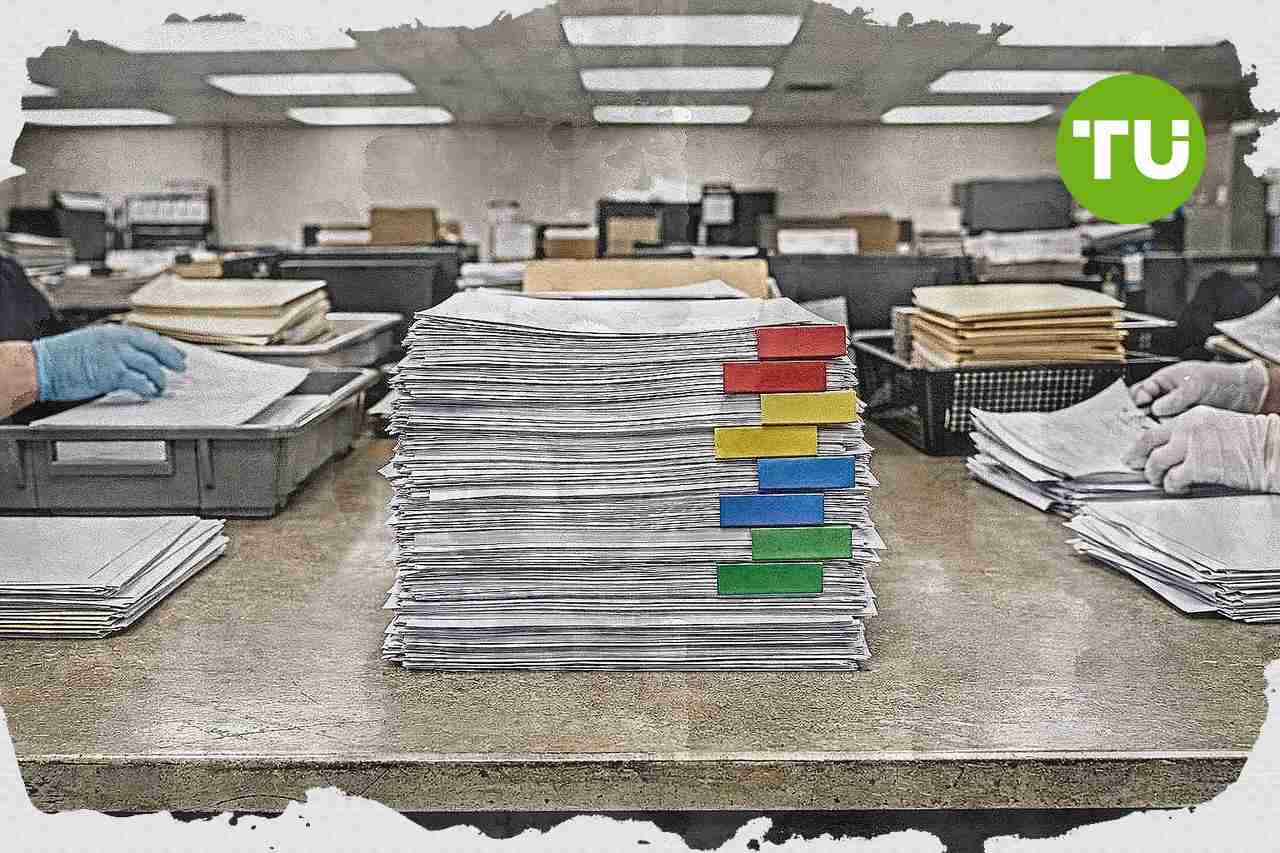
The U.S. House of Representatives passes legislation aimed at tightening fraud controls in federal student aid as the Education Department expands screening within the FAFSA system. The measure, titled the No Aid for Ghost Students Act, is presented by the Trump Administration as part of a broader effort to curb abuse, waste and improper payments.
Highlights
- House passage of H.R. 7892 reinforces the Education Department's anti-fraud campaign, locking in measures to prevent fraudulent federal student aid disbursement.
- The department implements real-time, risk-based identity screening within the FAFSA form, having already blocked over $100 million in fraudulent aid payments as of April 2026.
- Enhanced data sharing with the Social Security Administration and automated post-screening have saved more than $40 million, while new reviews and collaborations detect illegal applicants and protect taxpayer funds.
House bill aligns with fraud screening push
As reported by ED.gov, U.S. Secretary of Education Linda McMahon says the House passage of H.R. 7892 would reinforce the department's ongoing campaign to screen suspicious federal student aid applications and block payments to fraudulent applicants.McMahon says federal student aid should go to students rather than fraudsters and argues the bill would lock in anti-fraud measures so that future administrations cannot weaken protections. She also says the department is restoring fraud detection capabilities while building what it describes as the most comprehensive fraud-detection system in its history.
The department says the legislation builds on actions that have already prevented more than $1 billion in student aid fraud. The bill follows a wider administrative push coordinated with the White House Task Force to Eliminate Fraud.
Operational changes and taxpayer impact
The Education Department says it implements real-time, risk-based identity screening within the FAFSA form in April 2026, and that the system has already prevented more than $100 million from reaching fraudsters.The agency also says it strengthens real-time data sharing with the Social Security Administration, saving more than $30 million by helping prevent identity theft and payments involving dead individuals. It says automated post-screening of aid records resumes to avoid overpayments and enforce lifetime Pell Grant limits, generating more than $10 million in savings.
In addition, the department says it works with the U.S. Department of Homeland Security to stop illegal aliens from receiving federal student aid funds and conducts a one-time review of previously submitted 2026-27 FAFSA forms. The department frames the combined measures as part of a broader taxpayer protection effort across federal education programs.
Our earlier article on the Stopping Fraudulent Payments Act (H.R. 8464) looked at a House Republican proposal to tighten federal payment screening by requiring agencies to run fraud checks before submitting payment requests. It also explained how the bill would give the U.S. Treasury authority to halt and return payments flagged as high-risk, aiming to curb large-scale losses tied to waste, fraud and abuse and improve congressional oversight.













-
 Afghanistan
-
 Albania
-
 Algeria
-
 Angola
-
 Argentina
-
 Armenia
-
 Australia
-
 Austria
-
 Azerbaijan
-
 Bahamas
-
 Bahrain
-
 Bangladesh
-
 Belarus
-
 Belgium
-
 Bolivia
-
 Botswana
-
 Brazil
-
 Brunei
-
 Bulgaria
-
 Cambodia
-
 Cameroon
-
 Canada
-
 Chile
Chile
-
 China
China
-
 Colombia
-
 Congo
Congo
-
 Costa Rica
-
 Cote d'Ivoire
-
 Croatia
-
 Cuba
Cuba
-
 Cyprus
-
 Czechia
-
 DR Congo
-
 Denmark
-
 Dominican Republic
-
 Ecuador
-
 Egypt
Egypt
-
 El Salvador
-
 Estonia
-
 Eswatini
-
 Ethiopia
-
 Finland
-
 France
-
 Georgia
-
 Germany
-
 Ghana
Ghana
-
 Greece
-
 Haiti
Haiti
-
 Hong Kong
-
 Hungary
-
 India
India
-
 Indonesia
-
 Iran, Islamic republic
-
 Iraq
Iraq
-
 Ireland
-
 Israel
-
 Italy
Italy
-
 Jamaica
-
 Japan
Japan
-
 Jordan
-
 Kazakhstan
-
 Kenya
Kenya
-
 Korea
Korea
-
 Kuwait
-
 Kyrgyzstan
-
 Laos
Laos
-
 Latvia
-
 Lebanon
-
 Lesotho
-
 Libya
Libya
-
 Lithuania
-
 Luxembourg
-
 Madagascar
-
 Malaysia
-
 Malta
Malta
-
 Mauritius
-
 Mexico
-
 Moldova
-
 Mongolia
-
 Montenegro
-
 Morocco
-
 Mozambique
-
 Myanmar
-
 Namibia
-
 Nepal
Nepal
-
 Netherlands
-
 New Zealand
-
 Nigeria
-
 North Macedonia
-
 Norway
-
 Oman
Oman
-
 Pakistan
-
 Palestine
-
 Panama
-
 Papua New Guinea
-
 Paraguay
-
 Peru
Peru
-
 Philippines
-
 Poland
-
 Portugal
-
 Puerto Rico
-
 Qatar
Qatar
-
 Reunion
-
 Romania
-
 Rwanda
-
 Saudi Arabia
-
 Serbia
-
 Singapore
-
 Slovakia
-
 Slovenia
-
 Somalia
-
 South Africa
-
 Spain
Spain
-
 Sri Lanka
-
 Sweden
-
 Switzerland
-
 Syria
Syria
-
 Taiwan
-
 Tajikistan
-
 Tanzania
-
 Thailand
-
 Trinidad and Tobago
-
 Tunisia
-
 Turkey
-
 UAE
UAE
-
 Uganda
-
 Ukraine
-
 United Kingdom
-
United States
-
 Uruguay
-
 Uzbekistan
-
 Venezuela
-
 Vietnam
-
 Yemen
Yemen
-
 Zambia
-
 Zimbabwe
- Forex
- Crypto












