
U.S. agriculture response to screwworm faces scrutiny as beef price risks grow
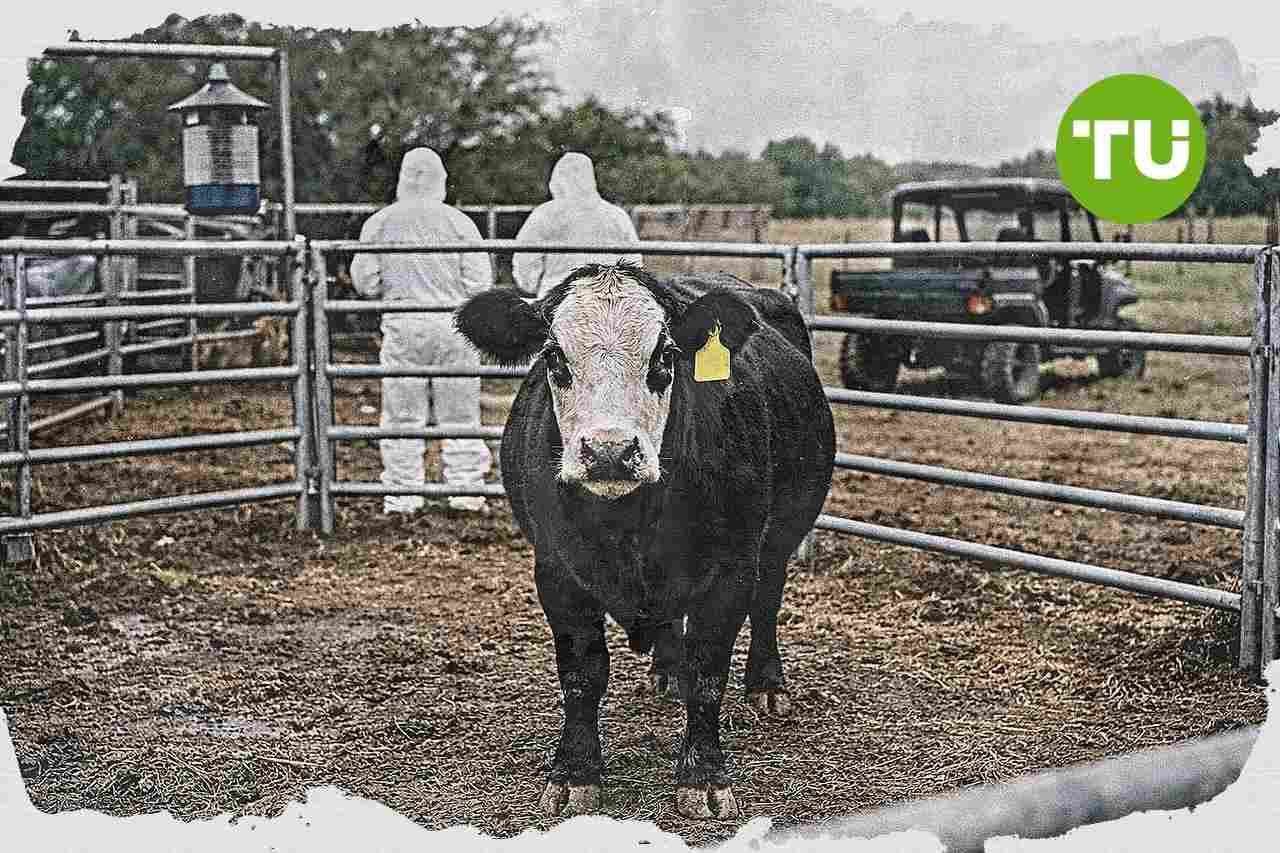
The detection of screwworm in Texas and New Mexico is sharpening attention on U.S. livestock risks at a time when cattle supplies are already tight and beef prices are under pressure. Brooke Rollins is now seeking to reassure consumers that the pest does not threaten the food system, even as her earlier remarks described it as a serious danger to the cattle industry.
Highlights
- Six confirmed U.S. screwworm cases in Texas and New Mexico prompt USDA to deploy sterile flies, quarantine zones, and expanded surveillance.
- A Dallas Fed report estimates a screwworm outbreak on the 1972 scale could result in about $3 billion in economic damage.
- With consumer prices rising 4.2% year over year in May and cattle herds already low, additional screwworm-driven livestock losses threaten higher beef prices.
Messaging shift as outbreak reaches U.S.
As reported by CNBC, Rollins told the broadcaster on Monday that screwworm is a "little pest" and said the food supply is not at risk because the parasite is treatable and is not a virus or a disease. Her comments come after the flesh-eating larvae was detected in the U.S. last week, prompting a broader public effort by the Agriculture Department to calm concerns over potential economic fallout.That message contrasts with Rollins' earlier remarks. In September last year, as screwworm moved north through Central America, she said on Fox News that the parasite was "terrifying" and could further compromise access to affordable beef, while at a Senate hearing in May 2025 she called it a "major threat" that would "devastate our cattle industry in this country."
Rollins is also blaming the Biden administration for the spread, arguing that weak southern border enforcement helped the parasite move northward. At a Senate hearing on Wednesday, she says the development is a serious threat but did not catch the administration off guard, while Democrats are using the outbreak to criticize President Donald Trump and Rollins over food-price pressures and agricultural management.
Containment effort and market implications
Screwworm is the larvae of a fly that lays eggs in open wounds on animals, where the larvae feed on flesh and can seriously injure or kill cattle. The pest is treatable if found early and is not transmissible through meat, but confirmed cases can still trigger restrictions on animal movement and tighten supply in affected areas.Six cases have been detected in the U.S. as of Wednesday, in Texas and New Mexico. The USDA is trying to contain the spread by releasing sterile flies, establishing quarantine zones, increasing trapping and surveillance, and expanding outreach to encourage reporting of suspected cases.
The outbreak is landing during a period of elevated inflation, with the Bureau of Labor Statistics reporting that consumer prices rose 4.2% year over year in May, the highest annual rate in three years. With the U.S. cattle herd already low, additional livestock losses or movement limits could push beef costs higher.
A May report from the Dallas Fed says an outbreak on the scale of the 1972 infestation could cause about $3 billion in damage. Philip Kaufman, head of the entomology department at Texas A&M University, says containment protocols are in place, but warns that failure to report cases would allow the fly population to grow and make eradication far more difficult.
Despite criticism from some Republicans, including Texas Agriculture Commissioner Sid Miller, Rollins retains backing from senior party figures. House Agriculture Committee Chair G.T. Thompson says he appreciates the department's work and expects the U.S. to get ahead of the outbreak and eradicate it.
Our earlier report on May U.S. inflation highlighted that headline CPI rose 4.2% year over year, with energy costs providing much of the upward push as oil prices climbed amid geopolitical tensions. We also noted that the inflation print complicated the outlook for the Federal Reserve, keeping markets focused on whether rates would stay on hold or face renewed hike risk later in the year.





Latest Wheat News









-
 Afghanistan
-
 Albania
-
 Algeria
-
 Angola
-
 Argentina
-
 Armenia
-
 Australia
-
 Austria
-
 Azerbaijan
-
 Bahamas
-
 Bahrain
-
 Bangladesh
-
 Belarus
-
 Belgium
-
 Bolivia
-
 Botswana
-
 Brazil
-
 Brunei
-
 Bulgaria
-
 Cambodia
-
 Cameroon
-
 Canada
-
 Chile
Chile
-
 China
China
-
 Colombia
-
 Congo
Congo
-
 Costa Rica
-
 Cote d'Ivoire
-
 Croatia
-
 Cuba
Cuba
-
 Cyprus
-
 Czechia
-
 DR Congo
-
 Denmark
-
 Dominican Republic
-
 Ecuador
-
 Egypt
Egypt
-
 El Salvador
-
 Estonia
-
 Eswatini
-
 Ethiopia
-
 Finland
-
 France
-
 Georgia
-
 Germany
-
 Ghana
Ghana
-
 Greece
-
 Haiti
Haiti
-
 Hong Kong
-
 Hungary
-
 India
India
-
 Indonesia
-
 Iran, Islamic republic
-
 Iraq
Iraq
-
 Ireland
-
 Israel
-
 Italy
Italy
-
 Jamaica
-
 Japan
Japan
-
 Jordan
-
 Kazakhstan
-
 Kenya
Kenya
-
 Korea
Korea
-
 Kuwait
-
 Kyrgyzstan
-
 Laos
Laos
-
 Latvia
-
 Lebanon
-
 Lesotho
-
 Libya
Libya
-
 Lithuania
-
 Luxembourg
-
 Madagascar
-
 Malaysia
-
 Malta
Malta
-
 Mauritius
-
 Mexico
-
 Moldova
-
 Mongolia
-
 Montenegro
-
 Morocco
-
 Mozambique
-
 Myanmar
-
 Namibia
-
 Nepal
Nepal
-
 Netherlands
-
 New Zealand
-
 Nigeria
-
 North Macedonia
-
 Norway
-
 Oman
Oman
-
 Pakistan
-
 Palestine
-
 Panama
-
 Papua New Guinea
-
 Paraguay
-
 Peru
Peru
-
 Philippines
-
 Poland
-
 Portugal
-
 Puerto Rico
-
 Qatar
Qatar
-
 Reunion
-
 Romania
-
 Rwanda
-
 Saudi Arabia
-
 Serbia
-
 Singapore
-
 Slovakia
-
 Slovenia
-
 Somalia
-
 South Africa
-
 Spain
Spain
-
 Sri Lanka
-
 Sweden
-
 Switzerland
-
 Syria
Syria
-
 Taiwan
-
 Tajikistan
-
 Tanzania
-
 Thailand
-
 Trinidad and Tobago
-
 Tunisia
-
 Turkey
-
 UAE
UAE
-
 Uganda
-
 Ukraine
-
 United Kingdom
-
United States
-
 Uruguay
-
 Uzbekistan
-
 Venezuela
-
 Vietnam
-
 Yemen
Yemen
-
 Zambia
-
 Zimbabwe
- Forex
- Crypto












