
U.S. stocks assess CPI impact as oil-driven inflation clouds rate outlook
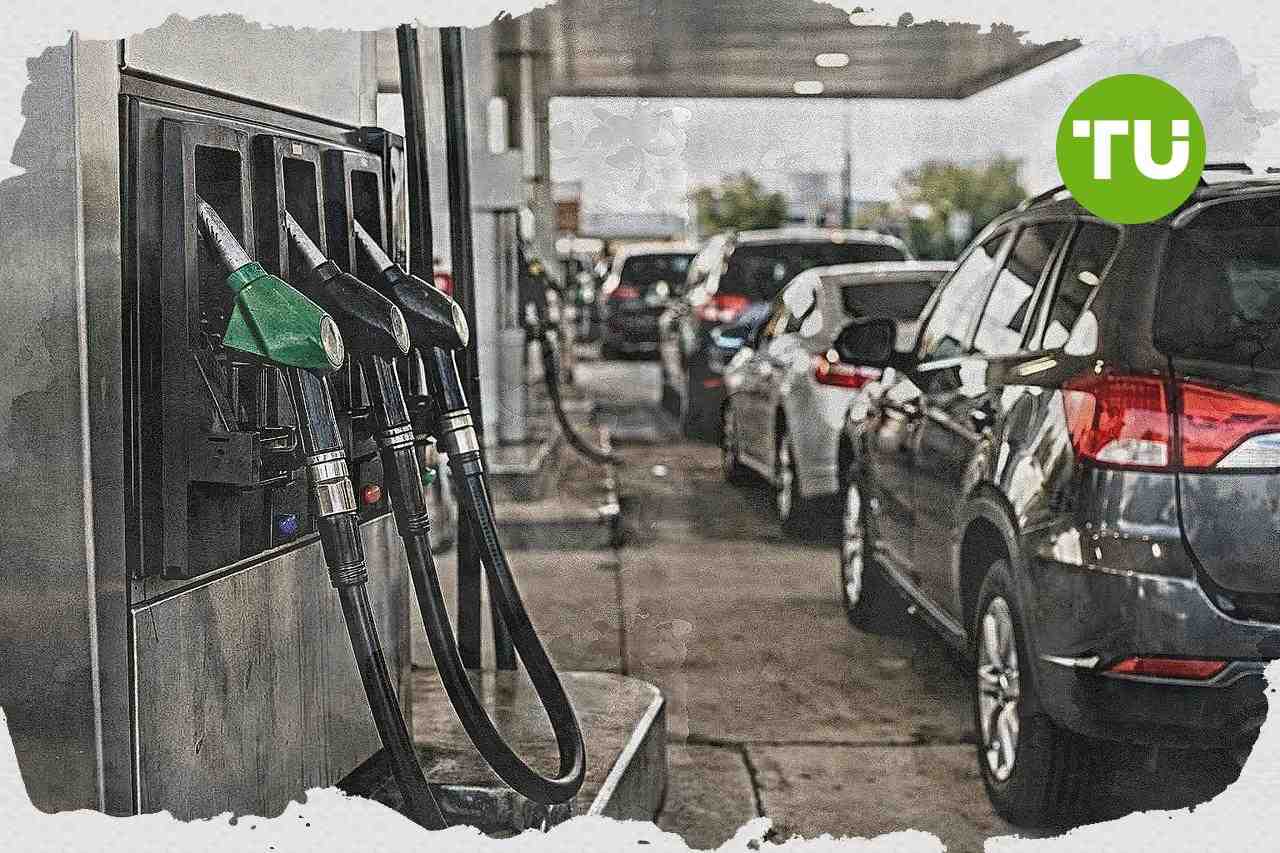
Investors are weighing a sharp rise in May consumer prices against signs that underlying U.S. inflation remains more contained than the headline figure suggests. The debate comes as higher oil prices linked to the Iran war complicate the Federal Reserve's interest-rate outlook and add pressure to equity markets.
Highlights
- May headline CPI rises 4.2% year over year, highest since April 2023, with energy-linked components driving price pressures amid Iran conflict.
- FedWatch futures imply rates hold steady at next week's Federal Reserve meeting, but markets assign 40% odds to at least one hike by year-end.
- Upcoming equity supply—including SpaceX's trading debut and offerings from Anthropic and OpenAI—prompt investors to trim positions and raise cash amid uncertain inflation outlook.
Oil-linked price pressures shape inflation debate
As reported by CNBC, May headline CPI rises 4.2% from a year earlier, matching estimates and marking the highest reading since April 2023, while core CPI, which excludes food and energy, advances 2.9% and also matches forecasts.Jim Cramer says the latest inflation reading reflects "artificial inflation" tied largely to the war with Iran and the jump in oil prices rather than a broad-based overheating of the economy. He argues on CNBC that several outlying components are linked directly or indirectly to the conflict, and that inflation could ease if the war winds down and oil flows normalize.
Energy still matters for households and businesses even if policymakers focus heavily on core inflation. The article notes that higher fuel costs feed through transportation and services, with May airfares up 26.7% year over year, highlighting how quickly some sectors pass input costs on to consumers.
Fed and equity markets face competing pressures
The inflation data now feeds into expectations for next week's Federal Reserve meeting, the first under Chair Kevin Warsh. Futures tracked by the CME FedWatch tool continue to indicate near certainty that rates hold steady, while markets still assign roughly 40% odds to at least one rate hike by year-end.President Donald Trump says he views the CPI figures positively and continues to favor lower rates, but investors are also considering whether persistent oil-related inflation could keep pressure on the central bank. The 10-year Treasury yield is largely unchanged after the release, suggesting markets do not see the report as dramatically shifting the rate path for now.
Cramer says his bigger near-term concern for stocks is not inflation itself but the volume of equity supply set to hit the market, including SpaceX's expected trading debut on Friday and planned offerings from Anthropic and OpenAI, alongside fresh capital raises from large listed companies. In that setting, he says investors are trimming positions and raising cash while staying ready to buy more aggressively if the Iran conflict eases and inflation pressure recedes.
Our earlier report on May U.S. inflation focused on how the Iran war’s disruption of oil flows through the Strait of Hormuz pushed energy costs sharply higher and helped lift headline CPI to 4.2% year over year, the fastest pace since April 2023. We noted that energy made up most of the monthly increase, with motor fuel prices surging, complicating the outlook ahead of the Fed meeting and keeping the possibility of a rate hike on the table depending on incoming data.





Latest Fed News





-
 Afghanistan
-
 Albania
-
 Algeria
-
 Angola
-
 Argentina
-
 Armenia
-
 Australia
-
 Austria
-
 Azerbaijan
-
 Bahamas
-
 Bahrain
-
 Bangladesh
-
 Belarus
-
 Belgium
-
 Bolivia
-
 Botswana
-
 Brazil
-
 Brunei
-
 Bulgaria
-
 Cambodia
-
 Cameroon
-
 Canada
-
 Chile
Chile
-
 China
China
-
 Colombia
-
 Congo
Congo
-
 Costa Rica
-
 Cote d'Ivoire
-
 Croatia
-
 Cuba
Cuba
-
 Cyprus
-
 Czechia
-
 DR Congo
-
 Denmark
-
 Dominican Republic
-
 Ecuador
-
 Egypt
Egypt
-
 El Salvador
-
 Estonia
-
 Eswatini
-
 Ethiopia
-
 Finland
-
 France
-
 Georgia
-
 Germany
-
 Ghana
Ghana
-
 Greece
-
 Haiti
Haiti
-
 Hong Kong
-
 Hungary
-
 India
India
-
 Indonesia
-
 Iran, Islamic republic
-
 Iraq
Iraq
-
 Ireland
-
 Israel
-
 Italy
Italy
-
 Jamaica
-
 Japan
Japan
-
 Jordan
-
 Kazakhstan
-
 Kenya
Kenya
-
 Korea
Korea
-
 Kuwait
-
 Kyrgyzstan
-
 Laos
Laos
-
 Latvia
-
 Lebanon
-
 Lesotho
-
 Libya
Libya
-
 Lithuania
-
 Luxembourg
-
 Madagascar
-
 Malaysia
-
 Malta
Malta
-
 Mauritius
-
 Mexico
-
 Moldova
-
 Mongolia
-
 Montenegro
-
 Morocco
-
 Mozambique
-
 Myanmar
-
 Namibia
-
 Nepal
Nepal
-
 Netherlands
-
 New Zealand
-
 Nigeria
-
 North Macedonia
-
 Norway
-
 Oman
Oman
-
 Pakistan
-
 Palestine
-
 Panama
-
 Papua New Guinea
-
 Paraguay
-
 Peru
Peru
-
 Philippines
-
 Poland
-
 Portugal
-
 Puerto Rico
-
 Qatar
Qatar
-
 Reunion
-
 Romania
-
 Rwanda
-
 Saudi Arabia
-
 Serbia
-
 Singapore
-
 Slovakia
-
 Slovenia
-
 Somalia
-
 South Africa
-
 Spain
Spain
-
 Sri Lanka
-
 Sweden
-
 Switzerland
-
 Syria
Syria
-
 Taiwan
-
 Tajikistan
-
 Tanzania
-
 Thailand
-
 Trinidad and Tobago
-
 Tunisia
-
 Turkey
-
 UAE
UAE
-
 Uganda
-
 Ukraine
-
 United Kingdom
-
United States
-
 Uruguay
-
 Uzbekistan
-
 Venezuela
-
 Vietnam
-
 Yemen
Yemen
-
 Zambia
-
 Zimbabwe
- Forex
- Crypto












