
U.S. senators introduce bill to curb government pressure on protected speech
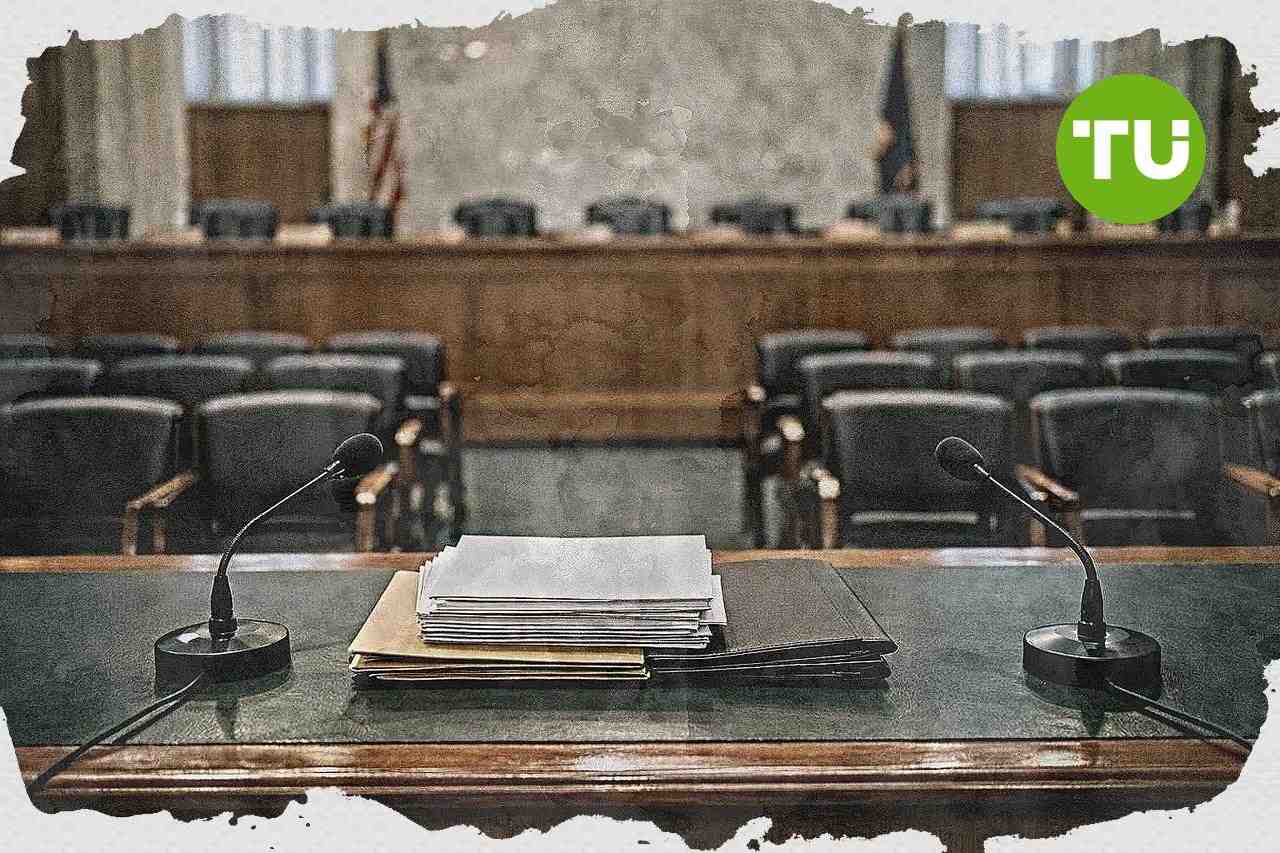
A bipartisan Senate proposal is seeking to create new legal remedies for Americans who say federal officials pressured private companies to suppress protected expression. The measure also aims to increase congressional oversight by requiring agencies to disclose certain communications related to censorship requests.
Highlights
- Senators Ted Cruz and Ron Wyden introduced the bipartisan JAWBONE Act, enabling lawsuits against government officials for pressuring private platforms to suppress First Amendment-protected speech.
- The bill allows plaintiffs to seek monetary damages regardless of whether censorship efforts succeed and mandates agencies disclose certain communications with companies to Congress.
- Legislation aims to overcome barriers to legal remedies, including access to evidence and official immunity, following allegations the Biden administration pressured tech firms via the Cybersecurity and Infrastructure Security Agency.
Legislation targets alleged federal jawboning
As announced by the Senate Committee on Commerce, Science, and Transportation, Chairman Ted Cruz and Senator Ron Wyden introduce the Justice Against Weaponized Bureaucratic Overreach to Networked Expression Act, or JAWBONE Act, to hold government agencies and employees accountable for conduct that pressures private platforms to censor speech protected by the First Amendment.The bill would create a cause of action against any government agency or employee engaged in such conduct, whether or not the censorship effort succeeds, and would allow plaintiffs to seek monetary damages. It also requires agencies to submit certain communications with companies to Congress, a step the sponsors say is meant to strengthen transparency and oversight.
The proposal addresses what its backers describe as persistent legal obstacles in these cases, including difficulty obtaining private communications between officials and companies, as well as cases being dismissed when officials leave office or administrations change. The senators say those evidentiary and doctrinal barriers often prevent remedies even when government pressure is alleged to be clear.
Oversight and speech-rights implications
Cruz says government interference in online speech is a real problem and argues the legislation is needed to give Americans tools to challenge official pressure campaigns. He points specifically to allegations that the Biden administration used the Cybersecurity and Infrastructure Security Agency to push major technology companies to remove or limit certain speech.Wyden says the issue extends beyond one party because much of Americans' speech now flows through private corporations that can be vulnerable to government influence. He argues the measure would both let individuals sue over illegal coercion and create more visibility around government efforts to press companies to censor content.
Our earlier report on Section 702 of the Foreign Intelligence Surveillance Act explained how a fight in the House over President Trump’s pick of Bill Pulte for acting director of national intelligence pushed the surveillance authority to the brink of expiration after lawmakers rejected a short-term extension. We noted the central tension between national security arguments for keeping the program in place and lawmakers’ privacy concerns about Americans’ data being swept into government collection as negotiations stalled ahead of the deadline.



Latest USA News







-
 Afghanistan
-
 Albania
-
 Algeria
-
 Angola
-
 Argentina
-
 Armenia
-
 Australia
-
 Austria
-
 Azerbaijan
-
 Bahamas
-
 Bahrain
-
 Bangladesh
-
 Belarus
-
 Belgium
-
 Bolivia
-
 Botswana
-
 Brazil
-
 Brunei
-
 Bulgaria
-
 Cambodia
-
 Cameroon
-
 Canada
-
 Chile
Chile
-
 China
China
-
 Colombia
-
 Congo
Congo
-
 Costa Rica
-
 Cote d'Ivoire
-
 Croatia
-
 Cuba
Cuba
-
 Cyprus
-
 Czechia
-
 DR Congo
-
 Denmark
-
 Dominican Republic
-
 Ecuador
-
 Egypt
Egypt
-
 El Salvador
-
 Estonia
-
 Eswatini
-
 Ethiopia
-
 Finland
-
 France
-
 Georgia
-
 Germany
-
 Ghana
Ghana
-
 Greece
-
 Haiti
Haiti
-
 Hong Kong
-
 Hungary
-
 India
India
-
 Indonesia
-
 Iran, Islamic republic
-
 Iraq
Iraq
-
 Ireland
-
 Israel
-
 Italy
Italy
-
 Jamaica
-
 Japan
Japan
-
 Jordan
-
 Kazakhstan
-
 Kenya
Kenya
-
 Korea
Korea
-
 Kuwait
-
 Kyrgyzstan
-
 Laos
Laos
-
 Latvia
-
 Lebanon
-
 Lesotho
-
 Libya
Libya
-
 Lithuania
-
 Luxembourg
-
 Madagascar
-
 Malaysia
-
 Malta
Malta
-
 Mauritius
-
 Mexico
-
 Moldova
-
 Mongolia
-
 Montenegro
-
 Morocco
-
 Mozambique
-
 Myanmar
-
 Namibia
-
 Nepal
Nepal
-
 Netherlands
-
 New Zealand
-
 Nigeria
-
 North Macedonia
-
 Norway
-
 Oman
Oman
-
 Pakistan
-
 Palestine
-
 Panama
-
 Papua New Guinea
-
 Paraguay
-
 Peru
Peru
-
 Philippines
-
 Poland
-
 Portugal
-
 Puerto Rico
-
 Qatar
Qatar
-
 Reunion
-
 Romania
-
 Rwanda
-
 Saudi Arabia
-
 Serbia
-
 Singapore
-
 Slovakia
-
 Slovenia
-
 Somalia
-
 South Africa
-
 Spain
Spain
-
 Sri Lanka
-
 Sweden
-
 Switzerland
-
 Syria
Syria
-
 Taiwan
-
 Tajikistan
-
 Tanzania
-
 Thailand
-
 Trinidad and Tobago
-
 Tunisia
-
 Turkey
-
 UAE
UAE
-
 Uganda
-
 Ukraine
-
 United Kingdom
-
United States
-
 Uruguay
-
 Uzbekistan
-
 Venezuela
-
 Vietnam
-
 Yemen
Yemen
-
 Zambia
-
 Zimbabwe
- Forex
- Crypto











