
Senate Democrats propose manufacturing bill to expand EXIM support for strategic U.S. industries
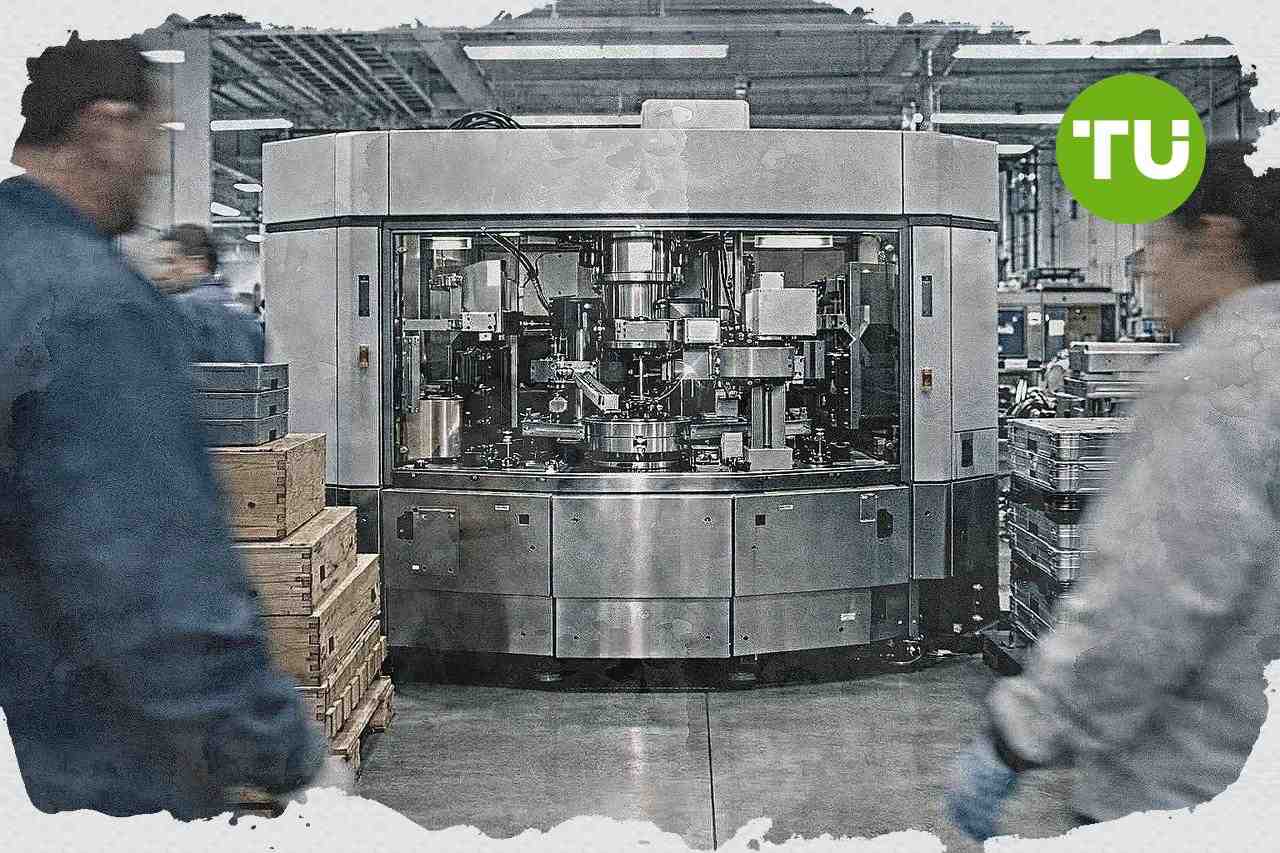
Amid continued concern over supply chain disruptions and import dependence, Senate Democrats are introducing legislation aimed at strengthening domestic manufacturing in sectors tied to economic resilience and national security. The proposal seeks to broaden the Export-Import Bank's role in backing private-sector investment while targeting lower costs and more U.S. jobs.
Highlights
- Senate Democrats introduced the Make More in America Act to expand EXIM's role supporting U.S. strategic industries such as semiconductors, AI, and biotechnology.
- The bill aims to address U.S. supply chain vulnerabilities revealed by COVID-19 disruptions and global crises like Russia's invasion of Ukraine driving input costs higher.
- Legislation seeks to increase domestic production, reduce reliance on China-linked supply chains, and deliver direct economic benefits to American workers and communities.
Bill targets strategic industries and supply chains
As reported by the Senate Committee on Banking, Housing, and Urban Affairs, Senate Democratic Leader Chuck Schumer and a group of Democratic senators are introducing the Make More in America Act to rebuild U.S. manufacturing capacity and reduce reliance on foreign supply chains, particularly those linked to China.The legislation would expand the mission, tools and investment capacity of the Export-Import Bank of the United States, known as EXIM, to work with the private sector in growing strategic industries. The sectors named in the proposal include semiconductors, artificial intelligence, critical minerals, quantum technology, biotechnology, energy technology, robotics and shipbuilding.
The measure is framed as a response to repeated supply chain vulnerabilities that lawmakers say have raised costs for U.S. consumers and increased exposure to shortages. It also states that investments should serve national interests and deliver direct benefits to American workers and communities.
Cost pressures and security concerns drive proposal
The sponsors link the bill to a series of recent shocks that exposed weaknesses in global supply networks. They point to shortages of ventilators and personal protective equipment during the COVID-19 pandemic, as well as higher prices for cars, household appliances and electronics tied to semiconductor disruptions.They also cite Russia's invasion of Ukraine as a factor that sent energy and food costs higher, arguing that stronger domestic production can help reduce the impact of future external shocks. The legislation is presented as both an industrial policy measure and a labor-market initiative designed to support good-paying jobs across the country.
The announcement says the bill has drawn support from multiple stakeholders, although it does not identify them in the text provided.
Our earlier report on U.S. export curbs on Anthropic’s top-tier AI models explained how the company was ordered to suspend access to Fable 5 and Mythos 5 for foreign nationals on national security grounds. We also noted the suspected jailbreak risk cited by officials and Anthropic’s push to hold talks with the U.S. Department of Commerce to address the restrictions.



Latest USA News








-
 Afghanistan
-
 Albania
-
 Algeria
-
 Angola
-
 Argentina
-
 Armenia
-
 Australia
-
 Austria
-
 Azerbaijan
-
 Bahamas
-
 Bahrain
-
 Bangladesh
-
 Belarus
-
 Belgium
-
 Bolivia
-
 Botswana
-
 Brazil
-
 Brunei
-
 Bulgaria
-
 Cambodia
-
 Cameroon
-
 Canada
-
 Chile
Chile
-
 China
China
-
 Colombia
-
 Congo
Congo
-
 Costa Rica
-
 Cote d'Ivoire
-
 Croatia
-
 Cuba
Cuba
-
 Cyprus
-
 Czechia
-
 DR Congo
-
 Denmark
-
 Dominican Republic
-
 Ecuador
-
 Egypt
Egypt
-
 El Salvador
-
 Estonia
-
 Eswatini
-
 Ethiopia
-
 Finland
-
 France
-
 Georgia
-
 Germany
-
 Ghana
Ghana
-
 Greece
-
 Haiti
Haiti
-
 Hong Kong
-
 Hungary
-
 India
India
-
 Indonesia
-
 Iran, Islamic republic
-
 Iraq
Iraq
-
 Ireland
-
 Israel
-
 Italy
Italy
-
 Jamaica
-
 Japan
Japan
-
 Jordan
-
 Kazakhstan
-
 Kenya
Kenya
-
 Korea
Korea
-
 Kuwait
-
 Kyrgyzstan
-
 Laos
Laos
-
 Latvia
-
 Lebanon
-
 Lesotho
-
 Libya
Libya
-
 Lithuania
-
 Luxembourg
-
 Madagascar
-
 Malaysia
-
 Malta
Malta
-
 Mauritius
-
 Mexico
-
 Moldova
-
 Mongolia
-
 Montenegro
-
 Morocco
-
 Mozambique
-
 Myanmar
-
 Namibia
-
 Nepal
Nepal
-
 Netherlands
-
 New Zealand
-
 Nigeria
-
 North Macedonia
-
 Norway
-
 Oman
Oman
-
 Pakistan
-
 Palestine
-
 Panama
-
 Papua New Guinea
-
 Paraguay
-
 Peru
Peru
-
 Philippines
-
 Poland
-
 Portugal
-
 Puerto Rico
-
 Qatar
Qatar
-
 Reunion
-
 Romania
-
 Rwanda
-
 Saudi Arabia
-
 Serbia
-
 Singapore
-
 Slovakia
-
 Slovenia
-
 Somalia
-
 South Africa
-
 Spain
Spain
-
 Sri Lanka
-
 Sweden
-
 Switzerland
-
 Syria
Syria
-
 Taiwan
-
 Tajikistan
-
 Tanzania
-
 Thailand
-
 Trinidad and Tobago
-
 Tunisia
-
 Turkey
-
 UAE
UAE
-
 Uganda
-
 Ukraine
-
 United Kingdom
-
United States
-
 Uruguay
-
 Uzbekistan
-
 Venezuela
-
 Vietnam
-
 Yemen
Yemen
-
 Zambia
-
 Zimbabwe
- Forex
- Crypto











