
EU moves toward trade curbs on illegal Israeli settlements
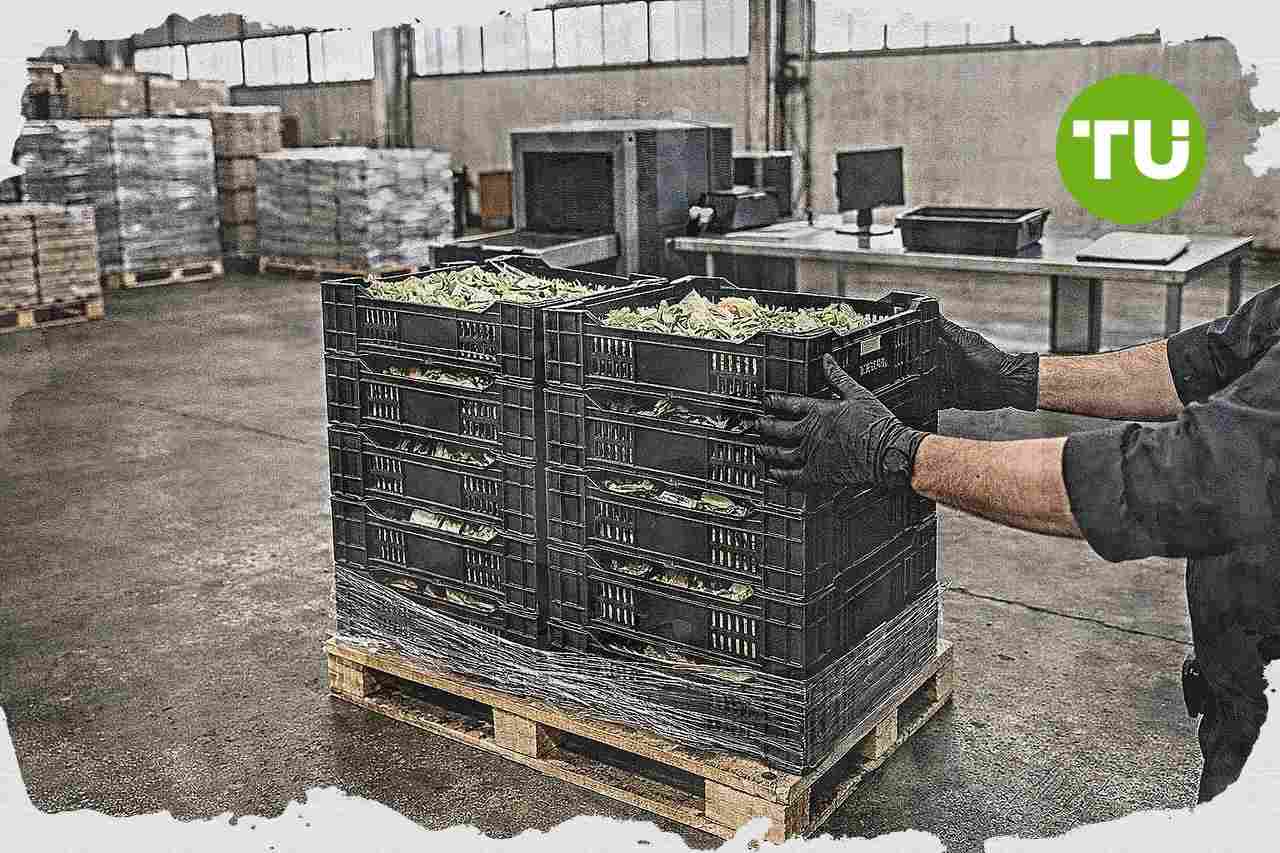
European Union governments are increasing pressure for commercial measures against Israeli settlements in the occupied West Bank after foreign ministers back work on formal options. The push exposes a legal and political split inside the bloc over whether a trade ban can be imposed under trade law or would require unanimous sanctions approval.
Highlights
- France and Sweden lead a coalition of EU states pressing the European Commission to propose trade restrictions on goods from illegal Israeli settlements, with options due before the July Foreign Affairs Council.
- Legal and diplomatic risks persist as the European Commission warns member states that blocking settlement imports using trade rules may face legal challenges from Israel and mirror disputes such as Nord Stream 2.
- Efforts to sanction Israeli minister Itamar Ben-Gvir lack unanimity, making trade measures on settlement goods a potentially more viable EU response despite internal divisions over legal justification.
July options take shape
As reported by Financial Times, a growing group of EU capitals led by France and Sweden is pressing the European Commission to prepare proposals that could restrict trade with illegal Israeli settlements, with formal options expected before the next foreign affairs council in July.At a meeting of foreign ministers in Luxembourg yesterday, enough member states support the move to increase pressure on the Commission, despite opposition from a smaller group of countries. EU chief diplomat Kaja Kallas says she will ask the Commission to draw up a list of possible trade measures, including steps aimed at preventing imports of goods originating from illegal settlements.
Commission officials have argued that a blanket trade ban would amount to sanctions, which would require unanimity among the 27 member states. Many capitals reject that interpretation and point instead to earlier restrictions adopted under trade law, including measures affecting Russian gas and grain imports.
Legal and diplomatic hurdles remain
Any eventual EU measure still faces legal risk, because the use of trade law in politically sensitive cases remains contested. Diplomats say the Commission has privately warned member states that Israel could mount a legal challenge if the bloc uses trade rules rather than sanctions legislation to block settlement goods.That concern is sharpened by a challenge from Nord Stream 2, which is contesting the legal basis for restrictions used to ban imports through the Russian gas pipeline. France is continuing to push for action, with foreign minister Jean-Noel Barrot saying Europe cannot accept supporting illegal settlement activity directly or indirectly through trade.
A separate effort to sanction Israeli far-right minister Itamar Ben-Gvir does not secure the unanimity required among member states, Kallas says. The split highlights how trade restrictions may offer the EU a more workable route than formal sanctions, even as the bloc remains divided over the legal basis and political consequences.
In our earlier article on Canada’s push to deepen ties with the EU, we covered Prime Minister Mark Carney’s effort to broaden Ottawa’s geopolitical and economic options beyond heavy reliance on the U.S. We noted that while Canada is looking to strengthen links with Europe and diversify partnerships, its deep trade exposure and the need to preserve the USMCA framework sharply constrain how far it can move.


Latest UN Sanctions News





-
 Afghanistan
-
 Albania
-
 Algeria
-
 Angola
-
 Argentina
-
 Armenia
-
 Australia
-
 Austria
-
 Azerbaijan
-
 Bahamas
-
 Bahrain
-
 Bangladesh
-
 Belarus
-
 Belgium
-
 Bolivia
-
 Botswana
-
 Brazil
-
 Brunei
-
 Bulgaria
-
 Cambodia
-
 Cameroon
-
 Canada
-
 Chile
Chile
-
 China
China
-
 Colombia
-
 Congo
Congo
-
 Costa Rica
-
 Cote d'Ivoire
-
 Croatia
-
 Cuba
Cuba
-
 Cyprus
-
 Czechia
-
 DR Congo
-
 Denmark
-
 Dominican Republic
-
 Ecuador
-
 Egypt
Egypt
-
 El Salvador
-
 Estonia
-
 Eswatini
-
 Ethiopia
-
 Finland
-
 France
-
 Georgia
-
 Germany
-
 Ghana
Ghana
-
 Greece
-
 Haiti
Haiti
-
 Hong Kong
-
 Hungary
-
 India
India
-
 Indonesia
-
 Iran, Islamic republic
-
 Iraq
Iraq
-
 Ireland
-
 Israel
-
 Italy
Italy
-
 Jamaica
-
 Japan
Japan
-
 Jordan
-
 Kazakhstan
-
 Kenya
Kenya
-
 Korea
Korea
-
 Kuwait
-
 Kyrgyzstan
-
 Laos
Laos
-
 Latvia
-
 Lebanon
-
 Lesotho
-
 Libya
Libya
-
 Lithuania
-
 Luxembourg
-
 Madagascar
-
 Malaysia
-
 Malta
Malta
-
 Mauritius
-
 Mexico
-
 Moldova
-
 Mongolia
-
 Montenegro
-
 Morocco
-
 Mozambique
-
 Myanmar
-
 Namibia
-
 Nepal
Nepal
-
 Netherlands
-
 New Zealand
-
 Nigeria
-
 North Macedonia
-
 Norway
-
 Oman
Oman
-
 Pakistan
-
 Palestine
-
 Panama
-
 Papua New Guinea
-
 Paraguay
-
 Peru
Peru
-
 Philippines
-
 Poland
-
 Portugal
-
 Puerto Rico
-
 Qatar
Qatar
-
 Reunion
-
 Romania
-
 Rwanda
-
 Saudi Arabia
-
 Serbia
-
 Singapore
-
 Slovakia
-
 Slovenia
-
 Somalia
-
 South Africa
-
 Spain
Spain
-
 Sri Lanka
-
 Sweden
-
 Switzerland
-
 Syria
Syria
-
 Taiwan
-
 Tajikistan
-
 Tanzania
-
 Thailand
-
 Trinidad and Tobago
-
 Tunisia
-
 Turkey
-
 UAE
UAE
-
 Uganda
-
 Ukraine
-
 United Kingdom
-
United States
-
 Uruguay
-
 Uzbekistan
-
 Venezuela
-
 Vietnam
-
 Yemen
Yemen
-
 Zambia
-
 Zimbabwe
- Forex
- Crypto











