
U.S. off-grid gas plants accelerate to power AI data centers
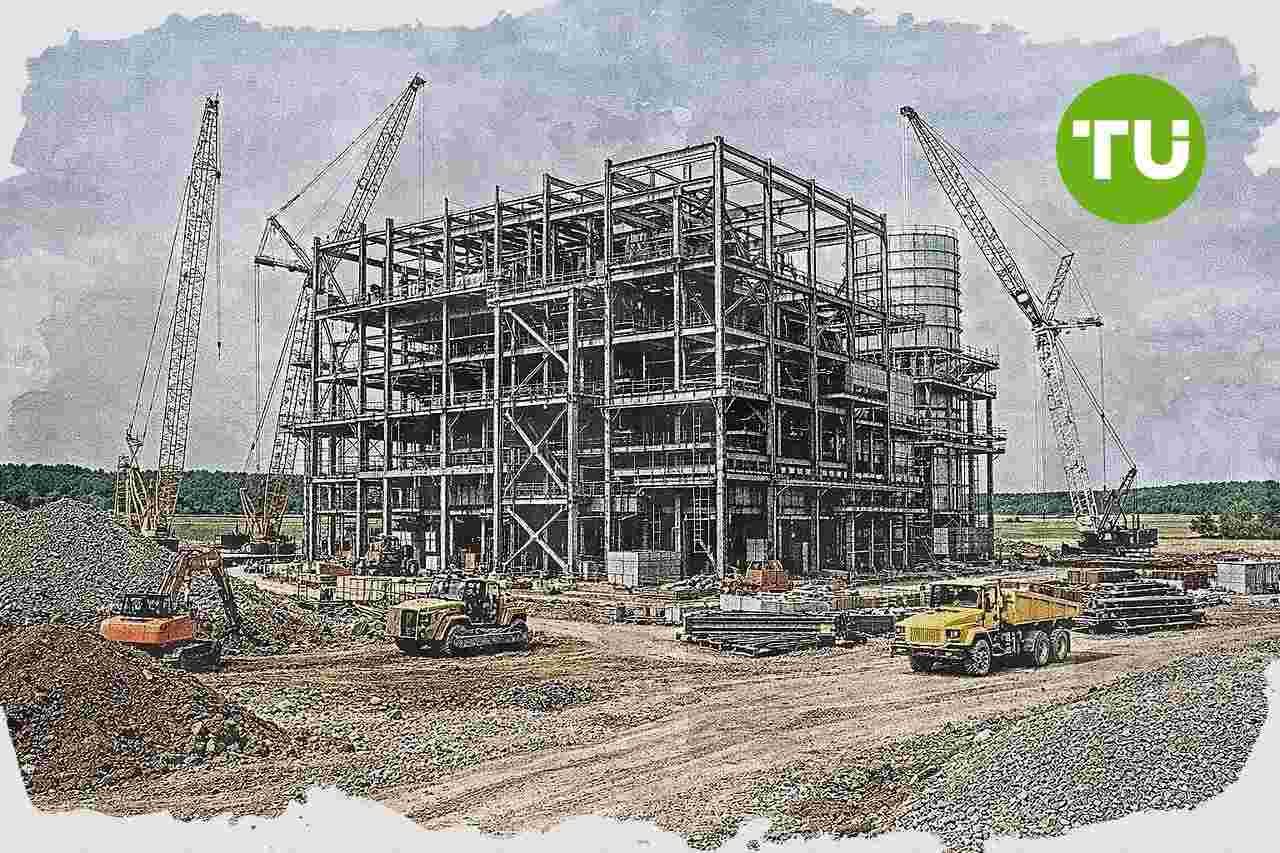
As artificial-intelligence investment drives a surge in U.S. data-center construction, developers are rapidly advancing dedicated power plants outside traditional grid processes. The buildout is raising concerns in Ohio and other states because projects tied to single customers often move ahead with limited public notice, environmental review and local scrutiny.
Highlights
- At least 57 off-grid power plants totaling 73,000 megawatts are proposed or under construction in the U.S. to power individual data centers, with two already operational including facilities for SpaceX's xAI and Vantage Data Centers.
- Ohio's Apollo Generating Station serving Meta's Bowling Green data center was approved in less than three months, reflecting a fast-tracking trend where AI-related power plants can now receive approval in as little as 45 days under new state laws.
- Researchers warn of rising public-health risks from rapid off-grid natural gas generation, while transparency decreases due to Ohio legislation shielding data centers from public-records laws and use of confidentiality agreements.
Rapid approvals for private power projects
As reported by Reuters, at least 57 off-grid power plants are proposed or under construction in the United States to serve individual data centers, according to data the news agency received from research firm Cleanview. Their combined capacity totals 73,000 megawatts, and Reuters says more than a dozen of the projects won approval in under a year, with two already operating, including SpaceX's xAI facility outside Memphis and a plant in Ashburn, Virginia serving Vantage Data Centers.These facilities are typically built for a single data-center customer and are often fueled by natural gas. Reuters' review of regulatory filings and interviews with public officials, residents, researchers and company executives found that some projects are moving ahead in weeks or months, rather than after the years of permitting, environmental studies and public hearings usually associated with large power plants.
In Wood County, Ohio, work is underway on the Apollo Generating Station, a plant intended to serve Meta's 800-acre Bowling Green data center. The Ohio Power Siting Board approved the project on February 3, less than three months after plans were submitted, while records show the state's draft air permit did not become publicly available until March, after construction had started.
The paperwork for Apollo listed the client as Liames LLC, a Meta subsidiary, rather than Meta itself. Williams Cos., through subsidiary Will Power LLC, is building Apollo and developing four similar projects in Ohio that can be completed in 18 to 24 months, spokesperson Kyle Tarpley says, adding that the facilities comply with state regulations and noting that the Ohio Environmental Protection Agency held a public hearing on Apollo in April.
Transparency concerns and regional impact
Residents near the Ohio project say the speed of development leaves them with little warning about effects on air quality and the climate. Breanne Kidd, who runs a home daycare across from the Apollo site in Middleton Township, says the rural view from her house has been replaced by cranes, steel and dust, and that she was not told a large gas plant would be built so close to her home.Researchers and critics argue the model creates a wider public-health risk as AI power demand rises. Michael Cork, a postdoctoral researcher at Harvard University, says off-grid natural-gas generation for the AI industry is emerging as one of the country's largest underexamined air-quality risks, while Perrysburg resident Lauren Berlekamp warns that multiple plants in one area could become a regional public-health event.
Supporters of the projects say they are needed to meet fast-growing AI demand without increasing electricity prices for retail customers. The Trump Administration is seeking faster permitting for AI infrastructure, citing competition with China, and the U.S. Environmental Protection Agency says it is taking a deliberate, governance-driven approach while state and local governments often control permitting.
Ohio has also changed its rules, with a law passed last year allowing certain AI-related power plants to win approval in as little as 45 days without public hearings. State officials and regional development groups see data centers as an economic opportunity for northwest Ohio, where land, water access and proximity to natural-gas pipelines are attracting interest, and the Regional Growth Partnership says it hopes to bring 10 hyperscale data centers to the area.
At the same time, critics say confidentiality measures are narrowing public access to information. Ohio lawmakers recently passed provisions shielding major projects such as data centers from public-records laws, and Microsoft says in March it will stop using non-disclosure agreements nationwide after criticism over projects in Wisconsin, while Meta says such agreements are standard in site-selection processes and do not prevent public engagement.
In our earlier article, we covered Senator Elizabeth Warren’s inquiry into major private equity firms’ expanding investments in U.S. data centers and how that growth could affect electricity affordability for households. The piece highlighted the sector’s consolidation and cited projections that data-center power consumption could push average electricity costs higher, especially in states with heavy data-center concentration such as Virginia.















-
 Afghanistan
-
 Albania
-
 Algeria
-
 Angola
-
 Argentina
-
 Armenia
-
 Australia
-
 Austria
-
 Azerbaijan
-
 Bahamas
-
 Bahrain
-
 Bangladesh
-
 Belarus
-
 Belgium
-
 Bolivia
-
 Botswana
-
 Brazil
-
 Brunei
-
 Bulgaria
-
 Cambodia
-
 Cameroon
-
 Canada
-
 Chile
Chile
-
 China
China
-
 Colombia
-
 Congo
Congo
-
 Costa Rica
-
 Cote d'Ivoire
-
 Croatia
-
 Cuba
Cuba
-
 Cyprus
-
 Czechia
-
 DR Congo
-
 Denmark
-
 Dominican Republic
-
 Ecuador
-
 Egypt
Egypt
-
 El Salvador
-
 Estonia
-
 Eswatini
-
 Ethiopia
-
 Finland
-
 France
-
 Georgia
-
 Germany
-
 Ghana
Ghana
-
 Greece
-
 Haiti
Haiti
-
 Hong Kong
-
 Hungary
-
 India
India
-
 Indonesia
-
 Iran, Islamic republic
-
 Iraq
Iraq
-
 Ireland
-
 Israel
-
 Italy
Italy
-
 Jamaica
-
 Japan
Japan
-
 Jordan
-
 Kazakhstan
-
 Kenya
Kenya
-
 Korea
Korea
-
 Kuwait
-
 Kyrgyzstan
-
 Laos
Laos
-
 Latvia
-
 Lebanon
-
 Lesotho
-
 Libya
Libya
-
 Lithuania
-
 Luxembourg
-
 Madagascar
-
 Malaysia
-
 Malta
Malta
-
 Mauritius
-
 Mexico
-
 Moldova
-
 Mongolia
-
 Montenegro
-
 Morocco
-
 Mozambique
-
 Myanmar
-
 Namibia
-
 Nepal
Nepal
-
 Netherlands
-
 New Zealand
-
 Nigeria
-
 North Macedonia
-
 Norway
-
 Oman
Oman
-
 Pakistan
-
 Palestine
-
 Panama
-
 Papua New Guinea
-
 Paraguay
-
 Peru
Peru
-
 Philippines
-
 Poland
-
 Portugal
-
 Puerto Rico
-
 Qatar
Qatar
-
 Reunion
-
 Romania
-
 Rwanda
-
 Saudi Arabia
-
 Serbia
-
 Singapore
-
 Slovakia
-
 Slovenia
-
 Somalia
-
 South Africa
-
 Spain
Spain
-
 Sri Lanka
-
 Sweden
-
 Switzerland
-
 Syria
Syria
-
 Taiwan
-
 Tajikistan
-
 Tanzania
-
 Thailand
-
 Trinidad and Tobago
-
 Tunisia
-
 Turkey
-
 UAE
UAE
-
 Uganda
-
 Ukraine
-
 United Kingdom
-
United States
-
 Uruguay
-
 Uzbekistan
-
 Venezuela
-
 Vietnam
-
 Yemen
Yemen
-
 Zambia
-
 Zimbabwe
- Forex
- Crypto











