
U.S. housing market faces affordability squeeze as ownership costs rise
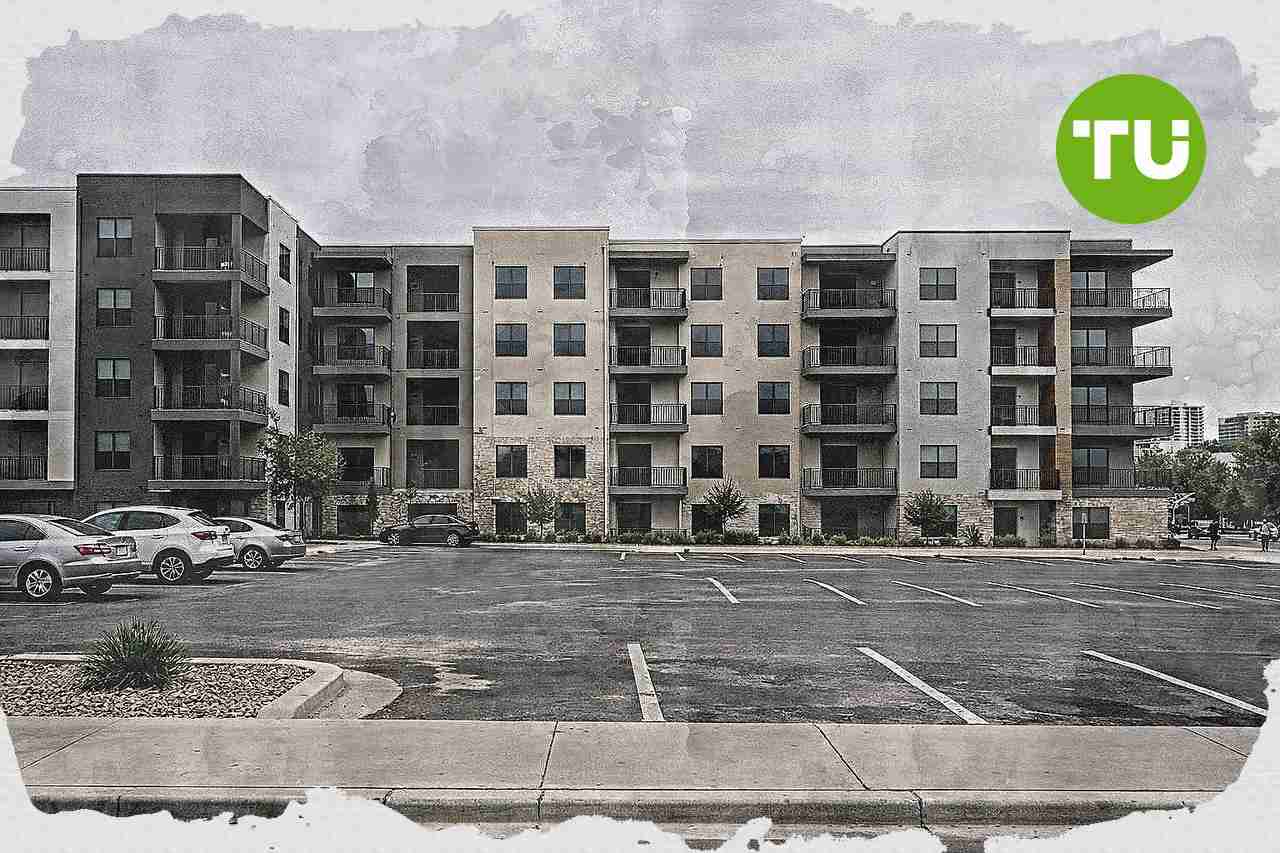
U.S. households are facing mounting housing pressure as ownership and rental costs outpace what many buyers and tenants can comfortably afford. The strain is widening affordability gaps across income groups while weaker mobility and slower population growth are reshaping demand.
Highlights
- Harvard's 2026 State of the Nation's Housing report shows average national property taxes up 31% and monthly insurance premiums up 72% between 2019 and 2025, squeezing affordability.
- Household mobility hits a record low 11.2% in 2024 as high mortgage rates and inflation deter home moves, while half of renter households remain cost-burdened.
- National unsold housing inventory reaches 127,000 in January 2026—the highest since 2009—as affordability worsens, federal support wanes, and local governments face growing pressure to address housing challenges.
Harvard report outlines cost and demand pressures
As reported by Harvard University's Joint Center for Housing Studies, its 2026 State of the Nation's Housing report, released June 17, says rising taxes, insurance costs, and elevated mortgage rates are making homeownership more expensive even as housing demand weakens.Between 2019 and 2025, average national property taxes rise 31%, and average monthly insurance premiums increase 72%. The report also says household mobility falls to a record low 11.2% in 2024, showing that many owners are staying put as borrowing costs remain high and inflation keeps broader household budgets under pressure.
Renters are also carrying heavy burdens. In 2024, about half of renter households are cost-burdened, spending at least 30% of income on housing, while 26% are severely cost-burdened and spend more than half of income on rent. Lower-income households are hit hardest, with 83% of renters earning less than $30,000 classified as cost-burdened.
The report says the wider economy is also weighing on demand. A low-hire, low-fire labor market, persistent inflation, and weak consumer sentiment are discouraging large financial commitments such as home purchases, while net international migration halves in 2025 and could fall another 75% this year, slowing population growth over time.
Local governments face growing affordable housing burden
Housing supply is becoming more available in some markets, but affordability remains out of reach for many households. High construction costs are making most new projects too expensive for low- and moderate-income residents, and the national unsold inventory reaches 127,000 in January 2026, the highest level since 2009.Rental markets show uneven conditions across cities. From 2021 to 2025, apartment vacancy rates in Austin increase 5%, and active for-sale listings more than triple, contributing to a 7% annual drop in rents as landlords cut prices to fill units. In Chicago, by contrast, apartment vacancy increases only 0.5% over the same period and for-sale listings fall by more than 20%.
The report says the pressure to expand affordable housing is increasingly shifting to state and local governments, a burden made heavier by federal spending cuts under the Trump administration. Local strategies include easing zoning and land-use rules and creating state Low-Income Housing Tax Credit programs, while cities such as Minneapolis and New York are pursuing housing reforms aimed at increasing supply.
Harvard's researchers say federal backing remains essential, not only for deeply affordable housing but also for disaster recovery as climate-related losses increase. The report concludes that the U.S. is dealing with linked housing challenges, including affordability, homelessness, climate risk, and discrimination, that require coordinated public and private action.
In our earlier analysis of DR Horton (DHI) stock, we highlighted a strong bullish technical setup, with the price trading above key moving averages and momentum indicators largely supporting further gains. We also noted that, despite the upside bias, some overbought/neutral short-term oscillators and limited fresh news flow could lead to a pause or consolidation unless the stock confirms a breakout above nearby resistance.



Latest Housing Market News







-
 Afghanistan
-
 Albania
-
 Algeria
-
 Angola
-
 Argentina
-
 Armenia
-
 Australia
-
 Austria
-
 Azerbaijan
-
 Bahamas
-
 Bahrain
-
 Bangladesh
-
 Belarus
-
 Belgium
-
 Bolivia
-
 Botswana
-
 Brazil
-
 Brunei
-
 Bulgaria
-
 Cambodia
-
 Cameroon
-
 Canada
-
 Chile
Chile
-
 China
China
-
 Colombia
-
 Congo
Congo
-
 Costa Rica
-
 Cote d'Ivoire
-
 Croatia
-
 Cuba
Cuba
-
 Cyprus
-
 Czechia
-
 DR Congo
-
 Denmark
-
 Dominican Republic
-
 Ecuador
-
 Egypt
Egypt
-
 El Salvador
-
 Estonia
-
 Eswatini
-
 Ethiopia
-
 Finland
-
 France
-
 Georgia
-
 Germany
-
 Ghana
Ghana
-
 Greece
-
 Haiti
Haiti
-
 Hong Kong
-
 Hungary
-
 India
India
-
 Indonesia
-
 Iran, Islamic republic
-
 Iraq
Iraq
-
 Ireland
-
 Israel
-
 Italy
Italy
-
 Jamaica
-
 Japan
Japan
-
 Jordan
-
 Kazakhstan
-
 Kenya
Kenya
-
 Korea
Korea
-
 Kuwait
-
 Kyrgyzstan
-
 Laos
Laos
-
 Latvia
-
 Lebanon
-
 Lesotho
-
 Libya
Libya
-
 Lithuania
-
 Luxembourg
-
 Madagascar
-
 Malaysia
-
 Malta
Malta
-
 Mauritius
-
 Mexico
-
 Moldova
-
 Mongolia
-
 Montenegro
-
 Morocco
-
 Mozambique
-
 Myanmar
-
 Namibia
-
 Nepal
Nepal
-
 Netherlands
-
 New Zealand
-
 Nigeria
-
 North Macedonia
-
 Norway
-
 Oman
Oman
-
 Pakistan
-
 Palestine
-
 Panama
-
 Papua New Guinea
-
 Paraguay
-
 Peru
Peru
-
 Philippines
-
 Poland
-
 Portugal
-
 Puerto Rico
-
 Qatar
Qatar
-
 Reunion
-
 Romania
-
 Rwanda
-
 Saudi Arabia
-
 Serbia
-
 Singapore
-
 Slovakia
-
 Slovenia
-
 Somalia
-
 South Africa
-
 Spain
Spain
-
 Sri Lanka
-
 Sweden
-
 Switzerland
-
 Syria
Syria
-
 Taiwan
-
 Tajikistan
-
 Tanzania
-
 Thailand
-
 Trinidad and Tobago
-
 Tunisia
-
 Turkey
-
 UAE
UAE
-
 Uganda
-
 Ukraine
-
 United Kingdom
-
United States
-
 Uruguay
-
 Uzbekistan
-
 Venezuela
-
 Vietnam
-
 Yemen
Yemen
-
 Zambia
-
 Zimbabwe
- Forex
- Crypto











