
Labour leadership shift puts Burnham’s economic agenda under scrutiny
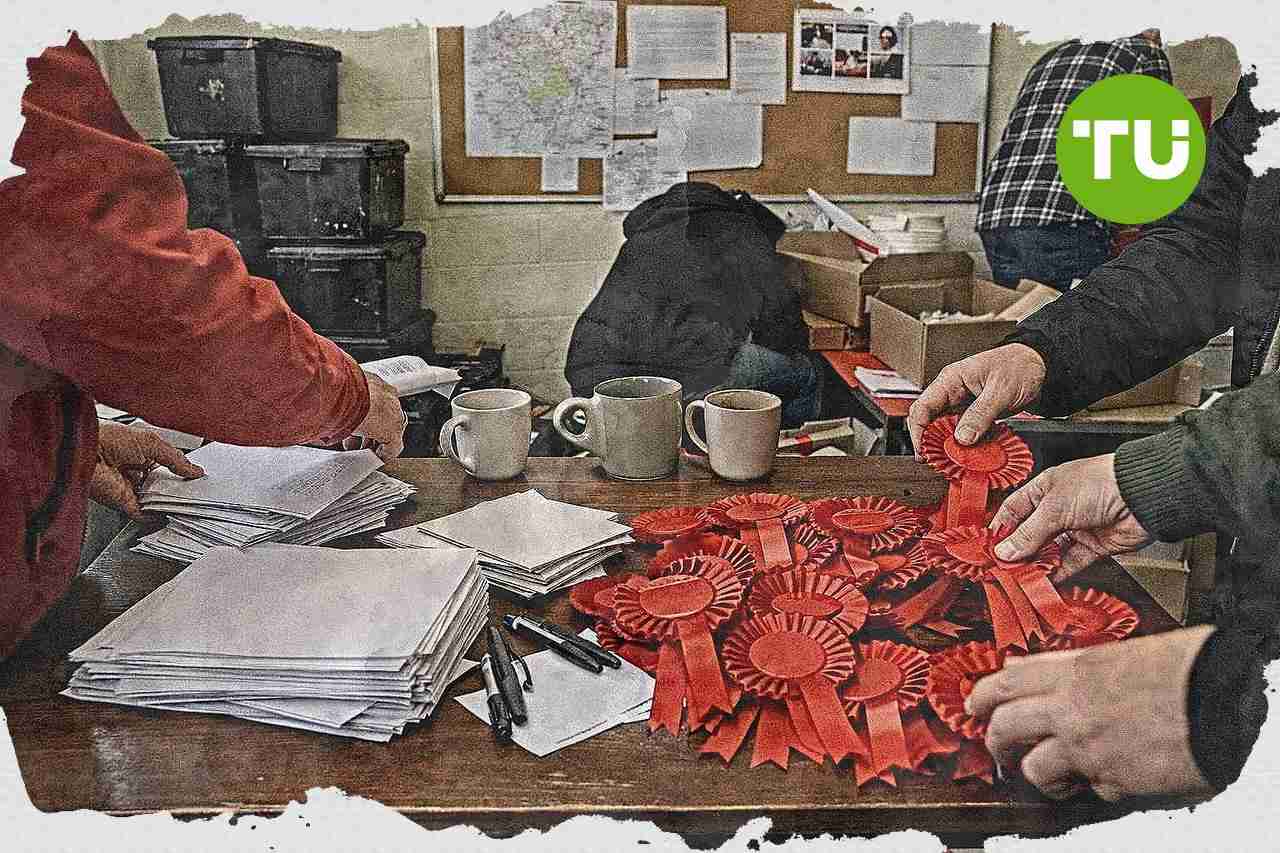
Britain is moving toward a likely Labour leadership change after Andy Burnham’s emphatic Makerfield win strengthens his position to replace Sir Keir Starmer. The result sharpens attention on whether Burnham can turn his appeal around devolution and public service reform into a credible programme for growth, fiscal discipline and business confidence.
Highlights
- Andy Burnham’s decisive win in Makerfield boosts his leadership momentum, exposing internal Labour doubts about Starmer’s stability-focused mandate.
- Burnham promotes Greater Manchester-style devolution and prevention policies but faces questions about the national viability and market credibility of his anti-neoliberal economic stance.
- Labour centrists express concern that Burnham lacks a detailed plan for enterprise and investment amid rising welfare costs, defence concerns, and a weaker jobs market.
Leadership momentum and governing test
As reported by Financial Times, Burnham’s Makerfield victory accelerates pressure on Starmer and leaves Labour appearing closer to a transfer of power at the top. The scale of the win gives Burnham political momentum, but it also underlines party concerns that Labour should not have reached this point after electing Starmer on a promise of stability.Burnham presents himself as a unifying figure and uses his victory speech to call for a politics based on hope and a shift of power away from Westminster. His record in Greater Manchester, including support for integrated local services and the “Prevention Demonstrator” trial, points to a governing model built around devolution and earlier intervention on issues such as ill-health, homelessness and unemployment.
That approach, however, is seen as only part of the answer for Downing Street. The demands of national office, from fiscal trade-offs to unpopular decisions, differ sharply from the anti-establishment politics that help regional leaders rise, and Burnham’s backers now face the question of how that message translates once he becomes the establishment.
Growth strategy and Labour factions
More serious doubts centre on Burnham’s economic platform, particularly his position on growth and the role of the private sector. He attacks decades of what he calls neoliberalism and argues that profit should not be the main driver in services such as energy, water and social housing, while stopping short of fully endorsing nationalisation in favour of broader public control.The concern among Labour centrists is that Britain is entering a weaker jobs market while also contending with defence credibility issues, rising welfare pressure and a large fiscal deficit. In that setting, the next prime minister needs a more explicit plan for enterprise, investment and labour market confidence, especially as businesses absorb higher wage costs, national insurance changes and tighter employment rules.
Burnham’s allies and critics also point to competing factions around him, from the left pushing for sweeping nationalisations to softer left voices wary of welfare reform, and devolution-focused pragmatists from Greater Manchester. How he balances those camps could determine whether he attracts figures such as economist and former Treasury minister Jim O’Neill, and whether his regional political success develops into a broader, market-credible national programme.
Our earlier report on the Makerfield by-election explained how Andy Burnham’s decisive win was viewed inside Labour as the trigger for a direct leadership showdown with Prime Minister Keir Starmer. We also outlined the party-rule mechanics and likely timetable for a contest, including expectations of coordinated pressure from MPs through letters and potential ministerial resignations if Starmer refuses to set out a departure schedule.


Latest Labor Market News







-
 Afghanistan
-
 Albania
-
 Algeria
-
 Angola
-
 Argentina
-
 Armenia
-
 Australia
-
 Austria
-
 Azerbaijan
-
 Bahamas
-
 Bahrain
-
 Bangladesh
-
 Belarus
-
 Belgium
-
 Bolivia
-
 Botswana
-
 Brazil
-
 Brunei
-
 Bulgaria
-
 Cambodia
-
 Cameroon
-
 Canada
-
 Chile
Chile
-
 China
China
-
 Colombia
-
 Congo
Congo
-
 Costa Rica
-
 Cote d'Ivoire
-
 Croatia
-
 Cuba
Cuba
-
 Cyprus
-
 Czechia
-
 DR Congo
-
 Denmark
-
 Dominican Republic
-
 Ecuador
-
 Egypt
Egypt
-
 El Salvador
-
 Estonia
-
 Eswatini
-
 Ethiopia
-
 Finland
-
 France
-
 Georgia
-
 Germany
-
 Ghana
Ghana
-
 Greece
-
 Haiti
Haiti
-
 Hong Kong
-
 Hungary
-
 India
India
-
 Indonesia
-
 Iran, Islamic republic
-
 Iraq
Iraq
-
 Ireland
-
 Israel
-
 Italy
Italy
-
 Jamaica
-
 Japan
Japan
-
 Jordan
-
 Kazakhstan
-
 Kenya
Kenya
-
 Korea
Korea
-
 Kuwait
-
 Kyrgyzstan
-
 Laos
Laos
-
 Latvia
-
 Lebanon
-
 Lesotho
-
 Libya
Libya
-
 Lithuania
-
 Luxembourg
-
 Madagascar
-
 Malaysia
-
 Malta
Malta
-
 Mauritius
-
 Mexico
-
 Moldova
-
 Mongolia
-
 Montenegro
-
 Morocco
-
 Mozambique
-
 Myanmar
-
 Namibia
-
 Nepal
Nepal
-
 Netherlands
-
 New Zealand
-
 Nigeria
-
 North Macedonia
-
 Norway
-
 Oman
Oman
-
 Pakistan
-
 Palestine
-
 Panama
-
 Papua New Guinea
-
 Paraguay
-
 Peru
Peru
-
 Philippines
-
 Poland
-
 Portugal
-
 Puerto Rico
-
 Qatar
Qatar
-
 Reunion
-
 Romania
-
 Rwanda
-
 Saudi Arabia
-
 Serbia
-
 Singapore
-
 Slovakia
-
 Slovenia
-
 Somalia
-
 South Africa
-
 Spain
Spain
-
 Sri Lanka
-
 Sweden
-
 Switzerland
-
 Syria
Syria
-
 Taiwan
-
 Tajikistan
-
 Tanzania
-
 Thailand
-
 Trinidad and Tobago
-
 Tunisia
-
 Turkey
-
 UAE
UAE
-
 Uganda
-
 Ukraine
-
 United Kingdom
-
United States
-
 Uruguay
-
 Uzbekistan
-
 Venezuela
-
 Vietnam
-
 Yemen
Yemen
-
 Zambia
-
 Zimbabwe
- Forex
- Crypto











