
Amazon Prime Day tests grocery and essentials growth in U.S. retail push
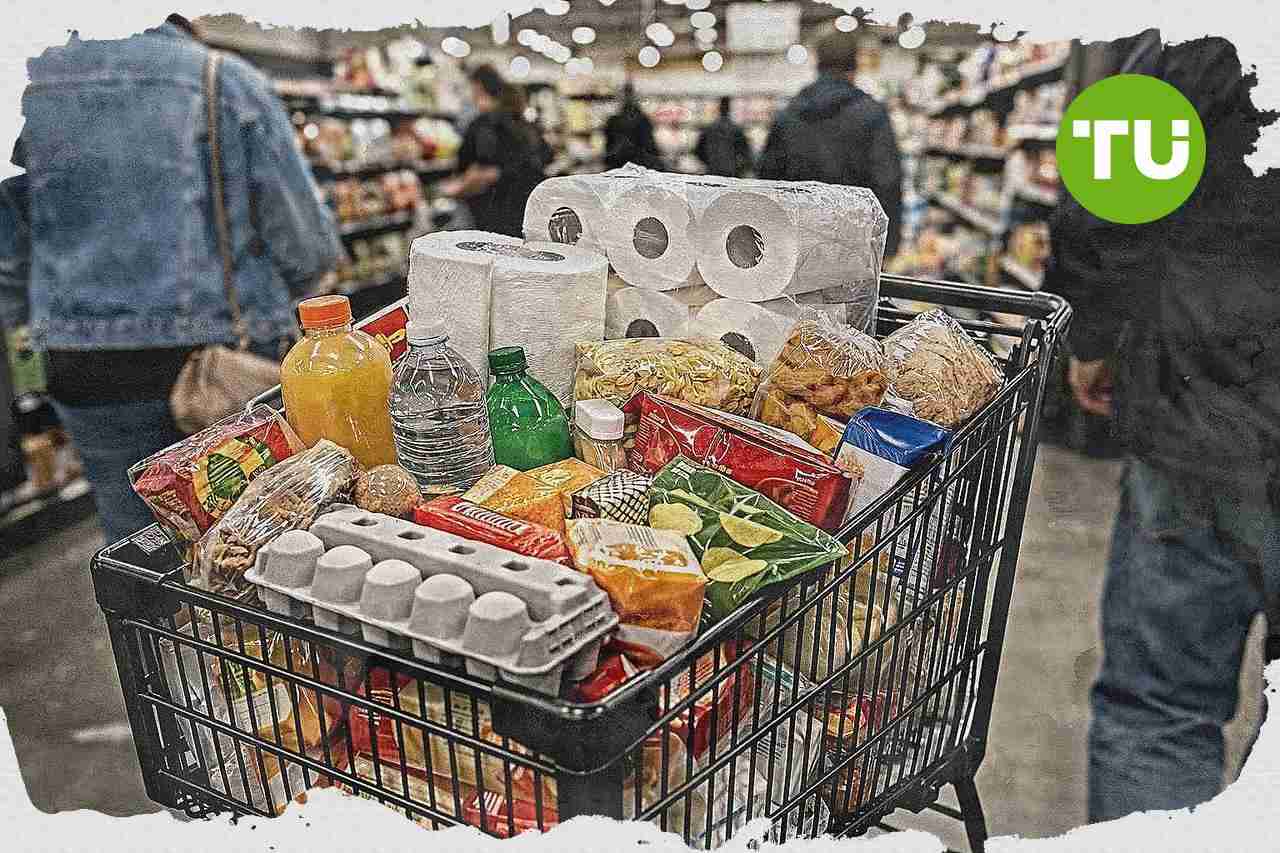
Amazon begins its four-day Prime Day event this week with Wall Street focused not only on sales volume, but also on whether the company can deepen its role as a destination for everyday essentials. The earlier timing and added grocery discounts come as inflation-weary U.S. shoppers remain highly value conscious and rival retailers launch competing promotions.
Highlights
- Amazon's U.S. Prime Day sales are projected to rise 7.1% year over year to $15.6 billion, capturing over 60% of U.S. retail sales during the four-day period.
- Elevated inflation, with the consumer price index hitting 4.2% in May, fuels increased Prime Day interest in groceries, personal care, and lower-cost household staples.
- Amazon shifts its Prime Day strategy from new-user acquisition to driving higher spending and subscription value via grocery deals, recurring categories, and Alexa-driven offers.
Earlier event spotlights category expansion
As first reported by CNBC, Amazon starts Prime Day at 12:01 a.m. PT on Tuesday and runs the event through June 26, marking the second year of its four-day format. Alongside deals across more than 35 categories, the company is offering Prime members an extra 10% off sale items in grocery, a category where it still sees room to grow.Emarketer estimates Amazon's U.S. Prime Day sales will rise 7.1% year over year to $15.6 billion, accounting for more than 60% of all U.S. retail sales during the four-day period. Walmart, Target, Best Buy and other retailers are also rolling out competing promotions as the shopping event expands its influence across the sector.
Prime Day began as a one-day event in 2015, expanded to two days in 2019 and moved to four days in 2025. The event has also shifted earlier in recent years, a move Emarketer analyst Sky Canaves says helps Amazon test whether shoppers will use Prime Day for a broader range of purchases beyond electronics and other big-ticket items.
Essentials strategy strengthens recurring demand
Canaves says elevated inflation has driven a noticeable shift in what consumers buy during Prime Day, with stronger interest in groceries, personal care, beauty products and other lower-cost household staples. Inflation, measured by the consumer price index, accelerated to 4.2% year over year in May, its highest level in three years, increasing pressure on household budgets and reinforcing demand for discounts.An April survey from Omnisend found 53% of respondents cite steep discounts as their main reason for shopping Prime Day. The survey also shows 55% of U.S. consumers plan to participate this year, up from 45% last year, while 66% expect to spend the same amount or more than in the previous event.
Amazon's push into staples also aligns with its broader investment in fresh and perishable grocery categories and the expansion of same-day delivery. Canaves says these categories are especially valuable because they encourage repeat purchases, unlike more occasional electronics spending, and recent Prime Day top sellers have included items such as energy drinks, hydration products and other consumables alongside Amazon devices.
With nearly 190 million Prime users in the U.S., or more than 86% of online buyers, Emarketer says Amazon is now using Prime Day less to add new members and more to increase the value of existing subscriptions. Analysts also see this year's event as a showcase for Alexa for Shopping, the company's AI assistant designed to generate personalized deals and recommendations, which could help protect direct traffic, lift conversion rates and drive incremental spending.
In our earlier analysis of AMZN’s price action, we noted the stock slipping below key short- and medium-term moving averages, signaling short-term selling pressure even as longer-term support remained intact. The outlook was broadly neutral and range-bound, with $242.77 flagged as a key resistance level and $229.79 as critical support, as mixed momentum indicators kept conviction low.









-
 Afghanistan
-
 Albania
-
 Algeria
-
 Angola
-
 Argentina
-
 Armenia
-
 Australia
-
 Austria
-
 Azerbaijan
-
 Bahamas
-
 Bahrain
-
 Bangladesh
-
 Belarus
-
 Belgium
-
 Bolivia
-
 Botswana
-
 Brazil
-
 Brunei
-
 Bulgaria
-
 Cambodia
-
 Cameroon
-
 Canada
-
 Chile
Chile
-
 China
China
-
 Colombia
-
 Congo
Congo
-
 Costa Rica
-
 Cote d'Ivoire
-
 Croatia
-
 Cuba
Cuba
-
 Cyprus
-
 Czechia
-
 DR Congo
-
 Denmark
-
 Dominican Republic
-
 Ecuador
-
 Egypt
Egypt
-
 El Salvador
-
 Estonia
-
 Eswatini
-
 Ethiopia
-
 Finland
-
 France
-
 Georgia
-
 Germany
-
 Ghana
Ghana
-
 Greece
-
 Haiti
Haiti
-
 Hong Kong
-
 Hungary
-
 India
India
-
 Indonesia
-
 Iran, Islamic republic
-
 Iraq
Iraq
-
 Ireland
-
 Israel
-
 Italy
Italy
-
 Jamaica
-
 Japan
Japan
-
 Jordan
-
 Kazakhstan
-
 Kenya
Kenya
-
 Korea
Korea
-
 Kuwait
-
 Kyrgyzstan
-
 Laos
Laos
-
 Latvia
-
 Lebanon
-
 Lesotho
-
 Libya
Libya
-
 Lithuania
-
 Luxembourg
-
 Madagascar
-
 Malaysia
-
 Malta
Malta
-
 Mauritius
-
 Mexico
-
 Moldova
-
 Mongolia
-
 Montenegro
-
 Morocco
-
 Mozambique
-
 Myanmar
-
 Namibia
-
 Nepal
Nepal
-
 Netherlands
-
 New Zealand
-
 Nigeria
-
 North Macedonia
-
 Norway
-
 Oman
Oman
-
 Pakistan
-
 Palestine
-
 Panama
-
 Papua New Guinea
-
 Paraguay
-
 Peru
Peru
-
 Philippines
-
 Poland
-
 Portugal
-
 Puerto Rico
-
 Qatar
Qatar
-
 Reunion
-
 Romania
-
 Rwanda
-
 Saudi Arabia
-
 Serbia
-
 Singapore
-
 Slovakia
-
 Slovenia
-
 Somalia
-
 South Africa
-
 Spain
Spain
-
 Sri Lanka
-
 Sweden
-
 Switzerland
-
 Syria
Syria
-
 Taiwan
-
 Tajikistan
-
 Tanzania
-
 Thailand
-
 Trinidad and Tobago
-
 Tunisia
-
 Turkey
-
 UAE
UAE
-
 Uganda
-
 Ukraine
-
 United Kingdom
-
United States
-
 Uruguay
-
 Uzbekistan
-
 Venezuela
-
 Vietnam
-
 Yemen
Yemen
-
 Zambia
-
 Zimbabwe
- Forex
- Crypto











