
Senate housing bill advances with private equity restrictions
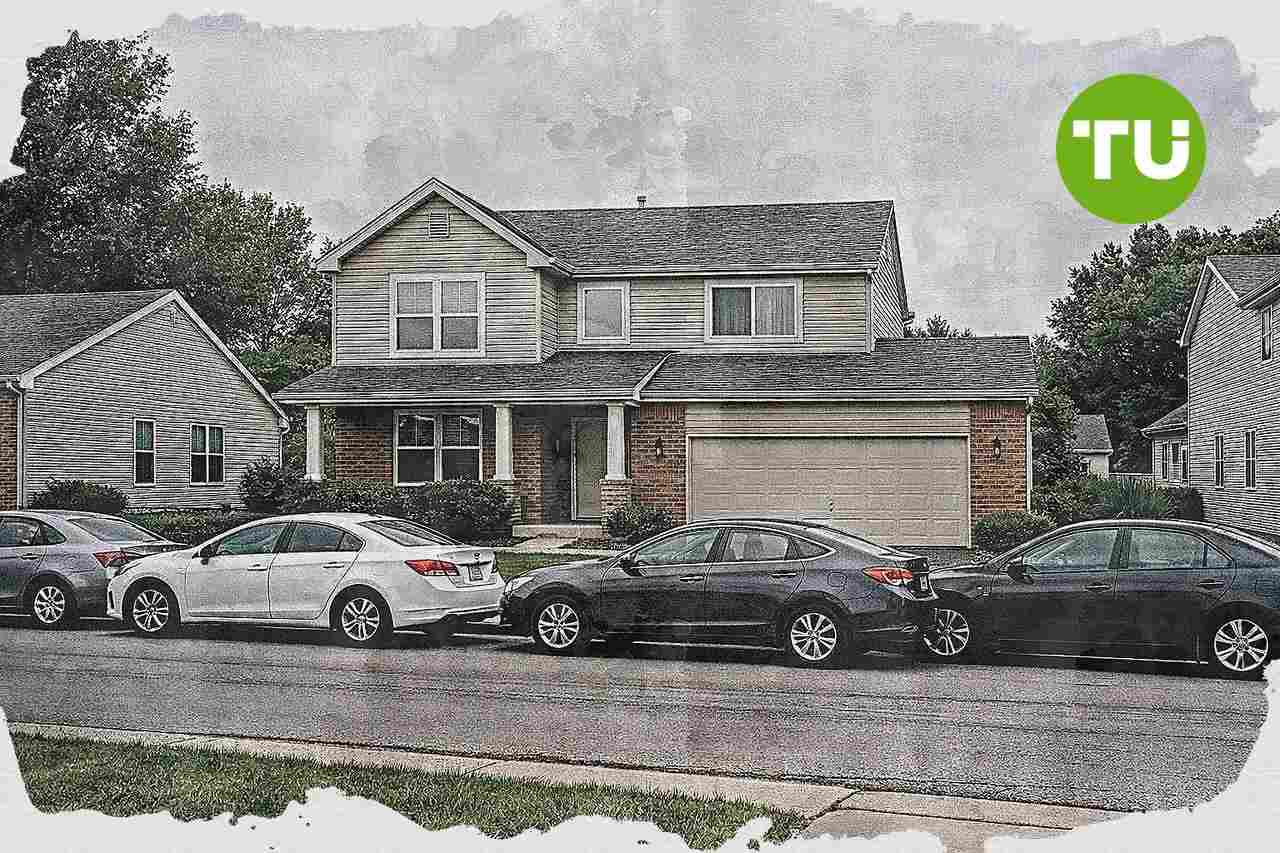
U.S. lawmakers are moving toward a final Senate vote on what supporters describe as the biggest housing bill in more than 30 years as affordability pressures intensify nationwide. The measure aims to expand housing supply, lower costs and bar private equity firms from buying single-family homes for the first time.
Highlights
- Senate advances the 21st Century ROAD to Housing Act, introducing bipartisan measures to address the U.S. housing shortage and surging home prices above $500,000.
- The bill proposes restricting private equity firms from purchasing single-family homes, marking the first federal effort to curb institutional investor activity in housing.
- Senator Warren highlights over one million evictions filed last year and calls for additional Congressional action to further reduce housing costs nationwide.
Senate vote centers on housing supply and costs
As reported by Senate Committee on Banking, Housing, and Urban Affairs, Senator Elizabeth Warren says the 21st Century ROAD to Housing Act marks a significant bipartisan step toward addressing the U.S. housing shortage and rising home prices.Warren, the ranking member of the Senate Banking, Housing, and Urban Affairs Committee, delivers the remarks ahead of the chamber's final vote on the package. She says the legislation follows a bipartisan, bicameral agreement released last week with Senator Tim Scott, House Financial Services Committee Chairman French Hill and Ranking Member Maxine Waters.
In her floor speech, Warren argues that housing affordability has deteriorated sharply since 1990, when the average U.S. home sold for $150,000. She says the average home now sells for more than $500,000, pushing homeownership further out of reach and contributing to a record median age for first-time homebuyers.
Warren also links the bill to rental market strains, saying more than a million evictions were filed last year. She says the legislation recognizes that outdated rules have slowed homebuilding and that federal policy should encourage communities to build more housing and repair existing stock.
Potential impact on investors and the housing market
One of the bill's most notable provisions would stop private equity from purchasing single-family homes, a change Warren presents as a first for Congress. She argues that institutional buyers have outbid families with cash offers and then raised rents, turning housing pressure into a broader political and economic grievance.Warren says the vote demonstrates that bipartisan legislation can still produce substantial policy changes rather than limited compromises. She also frames the package as an initial step, adding that the size of the housing crisis means Congress still has more work to do to reduce costs across the country.
Our earlier coverage of the 21st Century ROAD to Housing Act outlined how lawmakers advanced a bipartisan housing package designed to boost affordable home supply and ease affordability pressures. We noted proposals to limit large investment firms’ single-family home holdings, speed up some construction reviews, and expand access to financing tools such as small-dollar mortgages to help first-time buyers.


Latest Housing Market News







-
 Afghanistan
-
 Albania
-
 Algeria
-
 Angola
-
 Argentina
-
 Armenia
-
 Australia
-
 Austria
-
 Azerbaijan
-
 Bahamas
-
 Bahrain
-
 Bangladesh
-
 Belarus
-
 Belgium
-
 Bolivia
-
 Botswana
-
 Brazil
-
 Brunei
-
 Bulgaria
-
 Cambodia
-
 Cameroon
-
 Canada
-
 Chile
Chile
-
 China
China
-
 Colombia
-
 Congo
Congo
-
 Costa Rica
-
 Cote d'Ivoire
-
 Croatia
-
 Cuba
Cuba
-
 Cyprus
-
 Czechia
-
 DR Congo
-
 Denmark
-
 Dominican Republic
-
 Ecuador
-
 Egypt
Egypt
-
 El Salvador
-
 Estonia
-
 Eswatini
-
 Ethiopia
-
 Finland
-
 France
-
 Georgia
-
 Germany
-
 Ghana
Ghana
-
 Greece
-
 Haiti
Haiti
-
 Hong Kong
-
 Hungary
-
 India
India
-
 Indonesia
-
 Iran, Islamic republic
-
 Iraq
Iraq
-
 Ireland
-
 Israel
-
 Italy
Italy
-
 Jamaica
-
 Japan
Japan
-
 Jordan
-
 Kazakhstan
-
 Kenya
Kenya
-
 Korea
Korea
-
 Kuwait
-
 Kyrgyzstan
-
 Laos
Laos
-
 Latvia
-
 Lebanon
-
 Lesotho
-
 Libya
Libya
-
 Lithuania
-
 Luxembourg
-
 Madagascar
-
 Malaysia
-
 Malta
Malta
-
 Mauritius
-
 Mexico
-
 Moldova
-
 Mongolia
-
 Montenegro
-
 Morocco
-
 Mozambique
-
 Myanmar
-
 Namibia
-
 Nepal
Nepal
-
 Netherlands
-
 New Zealand
-
 Nigeria
-
 North Macedonia
-
 Norway
-
 Oman
Oman
-
 Pakistan
-
 Palestine
-
 Panama
-
 Papua New Guinea
-
 Paraguay
-
 Peru
Peru
-
 Philippines
-
 Poland
-
 Portugal
-
 Puerto Rico
-
 Qatar
Qatar
-
 Reunion
-
 Romania
-
 Rwanda
-
 Saudi Arabia
-
 Serbia
-
 Singapore
-
 Slovakia
-
 Slovenia
-
 Somalia
-
 South Africa
-
 Spain
Spain
-
 Sri Lanka
-
 Sweden
-
 Switzerland
-
 Syria
Syria
-
 Taiwan
-
 Tajikistan
-
 Tanzania
-
 Thailand
-
 Trinidad and Tobago
-
 Tunisia
-
 Turkey
-
 UAE
UAE
-
 Uganda
-
 Ukraine
-
 United Kingdom
-
United States
-
 Uruguay
-
 Uzbekistan
-
 Venezuela
-
 Vietnam
-
 Yemen
Yemen
-
 Zambia
-
 Zimbabwe
- Forex
- Crypto











