
Bank of England backs extended rate hold as Middle East conflict lifts price risks

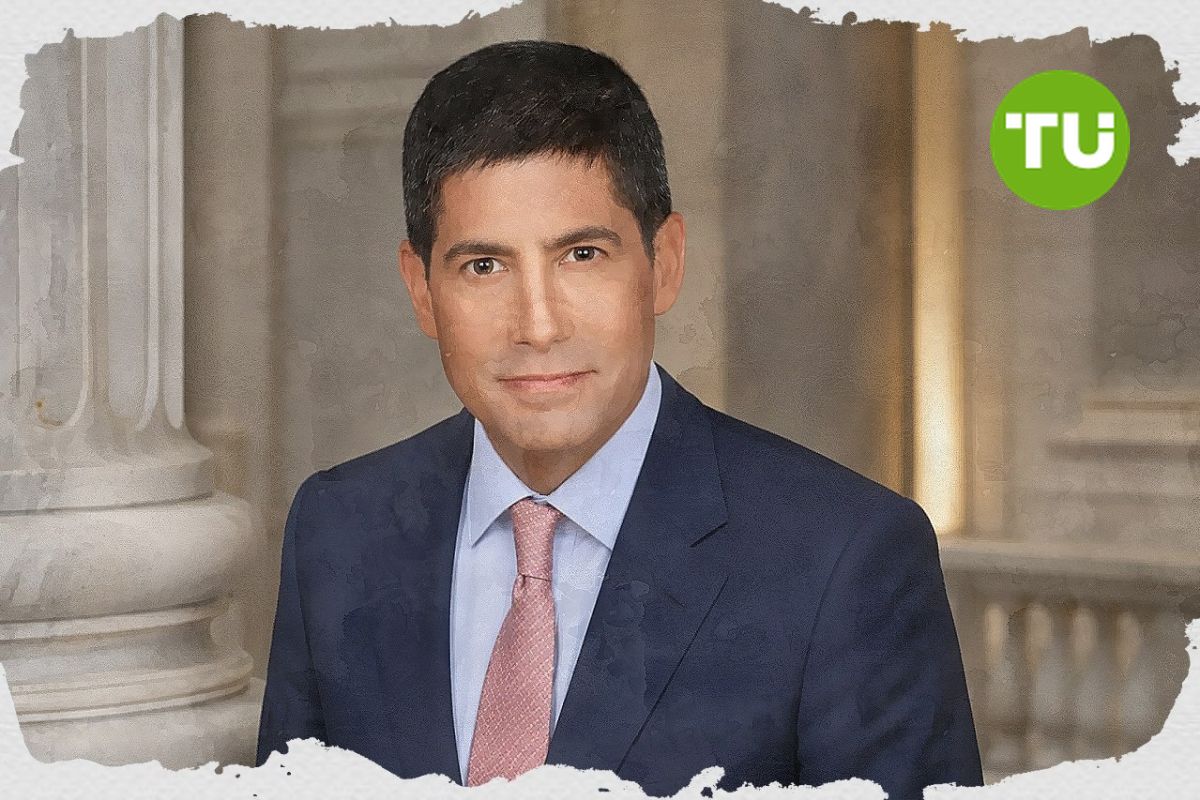
Bank of England rate-setter Alan Taylor says higher price pressures linked to conflict in the Middle East support keeping borrowing costs unchanged for longer. His stance marks a shift from his earlier support for rate cuts and comes as he describes Britain's economy as very weak before the war.
Highlights
- Bank of England's Taylor advocates an extended hold on rates, citing high uncertainty amid Middle East conflict and current rate at 3.75%.
- Taylor notes Britain's economy is already very weak, and estimates the policy rate is 0.75 percentage points above his neutral rate, indicating ongoing restrictiveness.
- Despite benign financial market pricing, policymakers are weighing energy-driven inflation risks against weak domestic growth, ruling out near-term rate cuts.
Taylor sets out case for caution
As reported by Reuters, Taylor says an "extended hold" for interest rates is the right policy response until there is greater certainty over the economic outlook and whether peace holds in the Middle East.The external Monetary Policy Committee member says he doubts the current benign pricing in financial markets for interest rates and energy will reignite a fresh cycle of wage and price inflation. Even so, he stresses that uncertainty remains too high to justify easing policy now.
In the text of a speech due to be delivered at an event hosted by Barclays and the Centre for Economic Policy Research, Taylor says keeping rates at their current level is an appropriately measured response given the balance of risks. The Bank of England held its benchmark rate at 3.75% last week.
Implications for UK monetary policy
Taylor, an academic economist, had favoured interest rate cuts before the Iran war, but he now signals that geopolitical tensions are complicating the path for monetary policy. His comments suggest policymakers are weighing energy-driven inflation risks against weak domestic growth.He also says Britain's economy is very weak even before the outbreak of war. Taylor estimates the Bank of England's interest rate is 0.75 percentage points above his neutral rate, the level that neither stimulates nor restrains the economy, indicating policy remains restrictive despite his call for a prolonged pause.
Our earlier coverage of June’s UK PMI readings highlighted a deepening private-sector slowdown, with services contracting faster and weakening new business and employment. We also noted that cost pressures tied to higher energy prices persisted, while political uncertainty and fragile growth continued to weigh on business confidence.



Latest Bank of England News









-
 Afghanistan
-
 Albania
-
 Algeria
-
 Angola
-
 Argentina
-
 Armenia
-
 Australia
-
 Austria
-
 Azerbaijan
-
 Bahamas
-
 Bahrain
-
 Bangladesh
-
 Belarus
-
 Belgium
-
 Bolivia
-
 Botswana
-
 Brazil
-
 Brunei
-
 Bulgaria
-
 Cambodia
-
 Cameroon
-
 Canada
-
 Chile
Chile
-
 China
China
-
 Colombia
-
 Congo
Congo
-
 Costa Rica
-
 Cote d'Ivoire
-
 Croatia
-
 Cuba
Cuba
-
 Cyprus
-
 Czechia
-
 DR Congo
-
 Denmark
-
 Dominican Republic
-
 Ecuador
-
 Egypt
Egypt
-
 El Salvador
-
 Estonia
-
 Eswatini
-
 Ethiopia
-
 Finland
-
 France
-
 Georgia
-
 Germany
-
 Ghana
Ghana
-
 Greece
-
 Haiti
Haiti
-
 Hong Kong
-
 Hungary
-
 India
India
-
 Indonesia
-
 Iran, Islamic republic
-
 Iraq
Iraq
-
 Ireland
-
 Israel
-
 Italy
Italy
-
 Jamaica
-
 Japan
Japan
-
 Jordan
-
 Kazakhstan
-
 Kenya
Kenya
-
 Korea
Korea
-
 Kuwait
-
 Kyrgyzstan
-
 Laos
Laos
-
 Latvia
-
 Lebanon
-
 Lesotho
-
 Libya
Libya
-
 Lithuania
-
 Luxembourg
-
 Madagascar
-
 Malaysia
-
 Malta
Malta
-
 Mauritius
-
 Mexico
-
 Moldova
-
 Mongolia
-
 Montenegro
-
 Morocco
-
 Mozambique
-
 Myanmar
-
 Namibia
-
 Nepal
Nepal
-
 Netherlands
-
 New Zealand
-
 Nigeria
-
 North Macedonia
-
 Norway
-
 Oman
Oman
-
 Pakistan
-
 Palestine
-
 Panama
-
 Papua New Guinea
-
 Paraguay
-
 Peru
Peru
-
 Philippines
-
 Poland
-
 Portugal
-
 Puerto Rico
-
 Qatar
Qatar
-
 Reunion
-
 Romania
-
 Rwanda
-
 Saudi Arabia
-
 Serbia
-
 Singapore
-
 Slovakia
-
 Slovenia
-
 Somalia
-
 South Africa
-
 Spain
Spain
-
 Sri Lanka
-
 Sweden
-
 Switzerland
-
 Syria
Syria
-
 Taiwan
-
 Tajikistan
-
 Tanzania
-
 Thailand
-
 Trinidad and Tobago
-
 Tunisia
-
 Turkey
-
 UAE
UAE
-
 Uganda
-
 Ukraine
-
 United Kingdom
-
United States
-
 Uruguay
-
 Uzbekistan
-
 Venezuela
-
 Vietnam
-
 Yemen
Yemen
-
 Zambia
-
 Zimbabwe
- Forex
- Crypto











