
U.S. Supreme Court narrows foreign human rights claims against Cisco
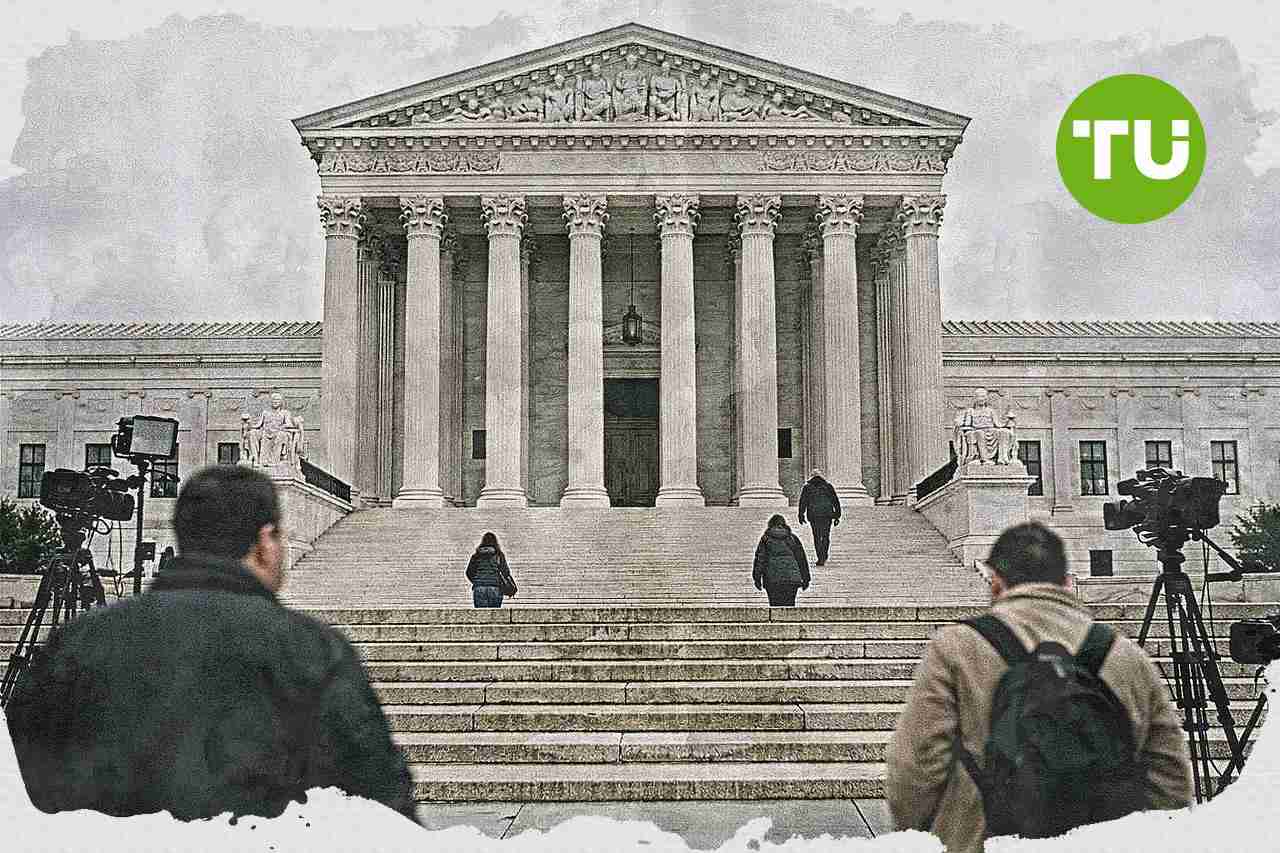
A new U.S. Supreme Court ruling further limits how far American courts can go in hearing international law disputes tied to conduct abroad. The decision ends a lawsuit accusing Cisco Systems of helping Chinese authorities build surveillance tools used in a crackdown on Falun Gong members.
Highlights
- Cisco won a U.S. Supreme Court case on June 18, which limited Alien Tort Statute claims by Chinese and U.S. citizens over the 'Golden Shield' system.
- The ruling restricts American courts' jurisdiction over foreign human rights abuses, reducing litigation risk for U.S. companies like Cisco, Chevron, and Dole.
- The decision continues a trend of narrowing the Alien Tort Statute since 2013, with critics arguing it excludes most overseas human rights claims from U.S. courts.
Ruling curbs Alien Tort Statute reach
As reported by Financial Times, the justices on Tuesday sided with California-based Cisco Systems and declined to allow claims brought by Chinese and U.S. citizens under the 1789 Alien Tort Statute. The plaintiffs alleged Cisco aided and abetted Beijing by helping develop the "Golden Shield" surveillance system, which they said facilitated abuses against the banned Falun Gong religious movement.Writing for the majority, Justice Amy Coney Barrett said possible redress may come from political branches or international actors, but not through an expanded reading of statutory text or constitutional powers by U.S. courts. Cisco, which was backed by the Trump administration, has described the allegations as inaccurate and entirely without foundation.
The court split over the case, with conservative justices joining Barrett in the majority, while Justices Ketanji Brown Jackson and Elena Kagan partially joined both the majority and portions of Justice Sonia Sotomayor’s dissent. A trial judge had initially dismissed the claim, but a divided federal appeals panel later revived it.
Broader implications for companies and litigation
The ruling further narrows the role of American courts in human rights cases tied to overseas conduct and may reduce legal exposure for companies working with foreign governments accused of abuses. Business groups including the U.S. Chamber of Commerce, as well as corporations such as Chevron and Dole, supported Cisco and argued that broad interpretations of the law invite costly, prolonged litigation and large damages claims.The decision continues a longer judicial pattern of restricting the Alien Tort Statute. The Supreme Court limited the law in 2021 by requiring plaintiffs to allege more domestic conduct than general corporate activity, and it also issued narrower readings in 2013 and 2004.
In dissent, Sotomayor said that if the Falun Gong members' allegations were proven, Cisco would have violated universally recognised norms of international law. She said the court is effectively closing the courthouse doors to most future litigants seeking relief under the statute and argued that the majority is departing from precedent without acknowledging it.
In our earlier article on Chevron’s CVX outlook, we highlighted how the company’s $7 billion, 20-year power supply agreement with Microsoft could support long-term demand and revenue visibility. We also noted that despite these fundamentals, the stock was trading under key short- and medium-term moving averages, with bearish momentum and a defined near-term consolidation range traders were watching.


Latest U.S. Supreme Court News







-
 Afghanistan
-
 Albania
-
 Algeria
-
 Angola
-
 Argentina
-
 Armenia
-
 Australia
-
 Austria
-
 Azerbaijan
-
 Bahamas
-
 Bahrain
-
 Bangladesh
-
 Belarus
-
 Belgium
-
 Bolivia
-
 Botswana
-
 Brazil
-
 Brunei
-
 Bulgaria
-
 Cambodia
-
 Cameroon
-
 Canada
-
 Chile
Chile
-
 China
China
-
 Colombia
-
 Congo
Congo
-
 Costa Rica
-
 Cote d'Ivoire
-
 Croatia
-
 Cuba
Cuba
-
 Cyprus
-
 Czechia
-
 DR Congo
-
 Denmark
-
 Dominican Republic
-
 Ecuador
-
 Egypt
Egypt
-
 El Salvador
-
 Estonia
-
 Eswatini
-
 Ethiopia
-
 Finland
-
 France
-
 Georgia
-
 Germany
-
 Ghana
Ghana
-
 Greece
-
 Haiti
Haiti
-
 Hong Kong
-
 Hungary
-
 India
India
-
 Indonesia
-
 Iran, Islamic republic
-
 Iraq
Iraq
-
 Ireland
-
 Israel
-
 Italy
Italy
-
 Jamaica
-
 Japan
Japan
-
 Jordan
-
 Kazakhstan
-
 Kenya
Kenya
-
 Korea
Korea
-
 Kuwait
-
 Kyrgyzstan
-
 Laos
Laos
-
 Latvia
-
 Lebanon
-
 Lesotho
-
 Libya
Libya
-
 Lithuania
-
 Luxembourg
-
 Madagascar
-
 Malaysia
-
 Malta
Malta
-
 Mauritius
-
 Mexico
-
 Moldova
-
 Mongolia
-
 Montenegro
-
 Morocco
-
 Mozambique
-
 Myanmar
-
 Namibia
-
 Nepal
Nepal
-
 Netherlands
-
 New Zealand
-
 Nigeria
-
 North Macedonia
-
 Norway
-
 Oman
Oman
-
 Pakistan
-
 Palestine
-
 Panama
-
 Papua New Guinea
-
 Paraguay
-
 Peru
Peru
-
 Philippines
-
 Poland
-
 Portugal
-
 Puerto Rico
-
 Qatar
Qatar
-
 Reunion
-
 Romania
-
 Rwanda
-
 Saudi Arabia
-
 Serbia
-
 Singapore
-
 Slovakia
-
 Slovenia
-
 Somalia
-
 South Africa
-
 Spain
Spain
-
 Sri Lanka
-
 Sweden
-
 Switzerland
-
 Syria
Syria
-
 Taiwan
-
 Tajikistan
-
 Tanzania
-
 Thailand
-
 Trinidad and Tobago
-
 Tunisia
-
 Turkey
-
 UAE
UAE
-
 Uganda
-
 Ukraine
-
 United Kingdom
-
United States
-
 Uruguay
-
 Uzbekistan
-
 Venezuela
-
 Vietnam
-
 Yemen
Yemen
-
 Zambia
-
 Zimbabwe
- Forex
- Crypto











