Supreme Court seeks security funding in 2027 budget review

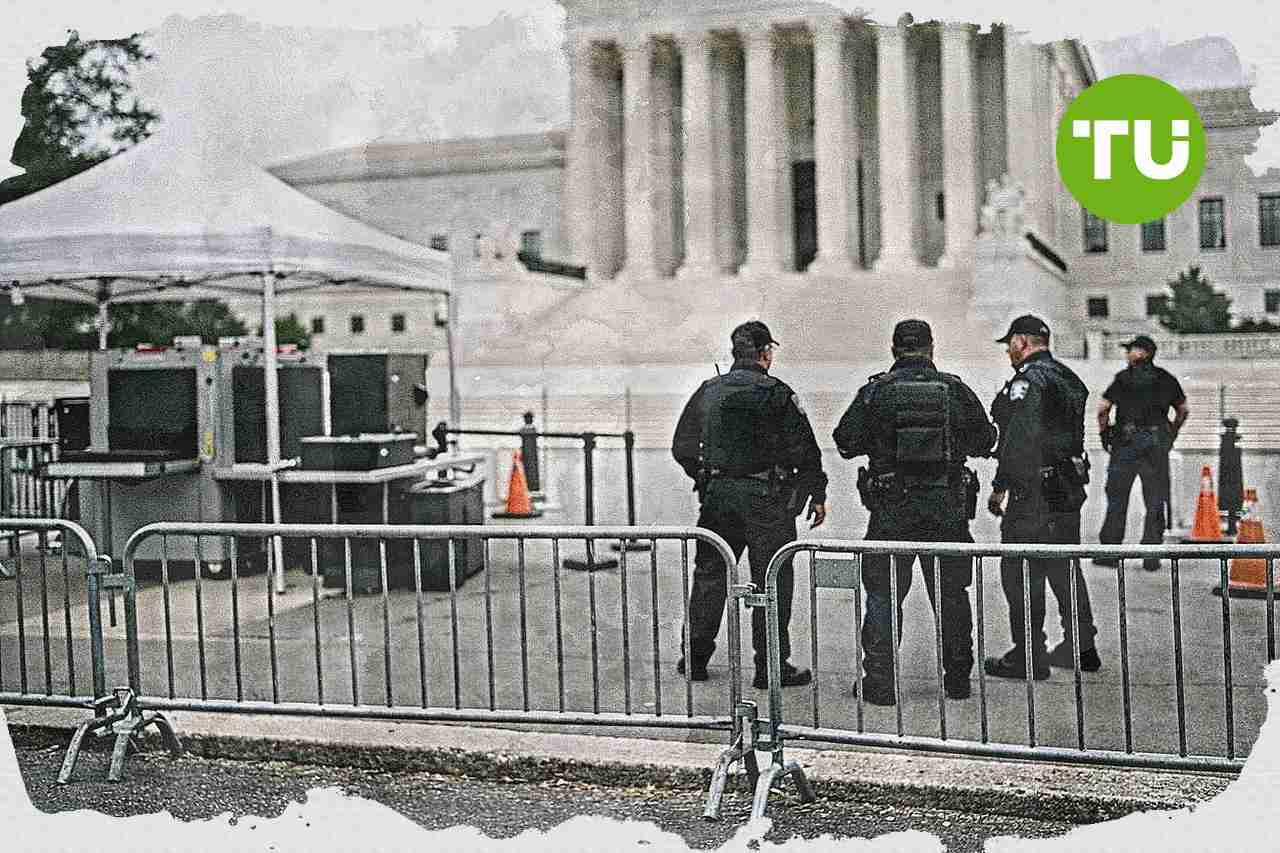
Heightened threats against Supreme Court justices are shaping the court's 2027 budget discussions in Washington. The review includes requests tied to residential protection and a new exterior visitor screening facility at the Supreme Court building.
Highlights
- Supreme Court's 2027 budget request includes $6.5 million for an exterior visitor screening facility, aiming to enhance building security amid rising threats.
- Justices confirm residential security responsibility is shifting rapidly from U.S. Marshals Service to Supreme Court Police due to an accelerated withdrawal timeline from the marshals.
- Federal Judicial Center withdrew a chapter on climate science from its judicial reference manual after criticism, with Judge Rosenberg addressing neutrality concerns with Congress.
Security requests in Supreme Court budget review
As reported by Senate Committee on Appropriations, citing Chair Susan Collins, a hearing on the Supreme Court's 2027 budget request was used to press Justices Elena Kagan and Amy Coney Barrett on how the court is responding to a sharper security threat environment.Collins says threats against the justices have risen 38% and argues that inflammatory rhetoric from public officials is worsening risks to the judiciary. She says personal and political attacks on the court endanger justices and undermine public trust in government.
Barrett says the Supreme Court is taking over residential security from the U.S. Marshals Service because the marshals' role was always intended to be temporary. She says the transition is happening faster than expected after the Marshals Service indicates it cannot continue providing protection on the earlier timeline, leaving the court to handle the function through Supreme Court Police officers and contractors.
Kagan also outlines why the court is requesting $6.5 million to begin work on an exterior screening facility for visitors. She says visitors are currently screened only after entering the building, and the court is studying an off-premises model similar to the Capitol visitor screening approach.
Judicial administration and wider institutional impact
Kagan also addresses questions about a climate science chapter in the Federal Judicial Center's reference manual for federal judges. She says she wrote the foreword to the latest edition but did not read the disputed chapter beforehand, and still has not read it in full.She says the controversy centers on whether the chapter presented contested climate issues as settled, creating concern that it favored one class of litigants. Kagan says the Federal Judicial Center has withdrawn the chapter after criticism that material in a judicial reference book should not take positions on disputed issues.
According to Kagan, Federal Judicial Center head Judge Rosenberg is engaging with critics and members of Congress on next steps and on how to avoid a similar dispute in the future. The exchange highlights that the court's budget review is extending beyond physical security needs to broader questions about judicial administration, neutrality and public confidence in federal institutions.
Our earlier report on newly released Senate Judiciary Committee records examined allegations that Special Counsel Jack Smith’s team reviewed text messages involving 44 current and former members of Congress after obtaining White House records from the National Archives. The documents raised questions about whether established “filter team” procedures meant to protect privileged congressional communications were bypassed, intensifying a broader dispute over investigatory protocols and constitutional safeguards.


Latest U.S. Supreme Court News





-
 Afghanistan
-
 Albania
-
 Algeria
-
 Angola
-
 Argentina
-
 Armenia
-
 Australia
-
 Austria
-
 Azerbaijan
-
 Bahamas
-
 Bahrain
-
 Bangladesh
-
 Belarus
-
 Belgium
-
 Bolivia
-
 Botswana
-
 Brazil
-
 Brunei
-
 Bulgaria
-
 Cambodia
-
 Cameroon
-
 Canada
-
 Chile
Chile
-
 China
China
-
 Colombia
-
 Congo
Congo
-
 Costa Rica
-
 Cote d'Ivoire
-
 Croatia
-
 Cuba
Cuba
-
 Cyprus
-
 Czechia
-
 DR Congo
-
 Denmark
-
 Dominican Republic
-
 Ecuador
-
 Egypt
Egypt
-
 El Salvador
-
 Estonia
-
 Eswatini
-
 Ethiopia
-
 Finland
-
 France
-
 Georgia
-
 Germany
-
 Ghana
Ghana
-
 Greece
-
 Haiti
Haiti
-
 Hong Kong
-
 Hungary
-
 India
India
-
 Indonesia
-
 Iran, Islamic republic
-
 Iraq
Iraq
-
 Ireland
-
 Israel
-
 Italy
Italy
-
 Jamaica
-
 Japan
Japan
-
 Jordan
-
 Kazakhstan
-
 Kenya
Kenya
-
 Korea
Korea
-
 Kuwait
-
 Kyrgyzstan
-
 Laos
Laos
-
 Latvia
-
 Lebanon
-
 Lesotho
-
 Libya
Libya
-
 Lithuania
-
 Luxembourg
-
 Madagascar
-
 Malaysia
-
 Malta
Malta
-
 Mauritius
-
 Mexico
-
 Moldova
-
 Mongolia
-
 Montenegro
-
 Morocco
-
 Mozambique
-
 Myanmar
-
 Namibia
-
 Nepal
Nepal
-
 Netherlands
-
 New Zealand
-
 Nigeria
-
 North Macedonia
-
 Norway
-
 Oman
Oman
-
 Pakistan
-
 Palestine
-
 Panama
-
 Papua New Guinea
-
 Paraguay
-
 Peru
Peru
-
 Philippines
-
 Poland
-
 Portugal
-
 Puerto Rico
-
 Qatar
Qatar
-
 Reunion
-
 Romania
-
 Rwanda
-
 Saudi Arabia
-
 Serbia
-
 Singapore
-
 Slovakia
-
 Slovenia
-
 Somalia
-
 South Africa
-
 Spain
Spain
-
 Sri Lanka
-
 Sweden
-
 Switzerland
-
 Syria
Syria
-
 Taiwan
-
 Tajikistan
-
 Tanzania
-
 Thailand
-
 Trinidad and Tobago
-
 Tunisia
-
 Turkey
-
 UAE
UAE
-
 Uganda
-
 Ukraine
-
 United Kingdom
-
United States
-
 Uruguay
-
 Uzbekistan
-
 Venezuela
-
 Vietnam
-
 Yemen
Yemen
-
 Zambia
-
 Zimbabwe
- Forex
- Crypto











