
Senate scrutiny intensifies over Supreme Court ethics, transparency and security funding
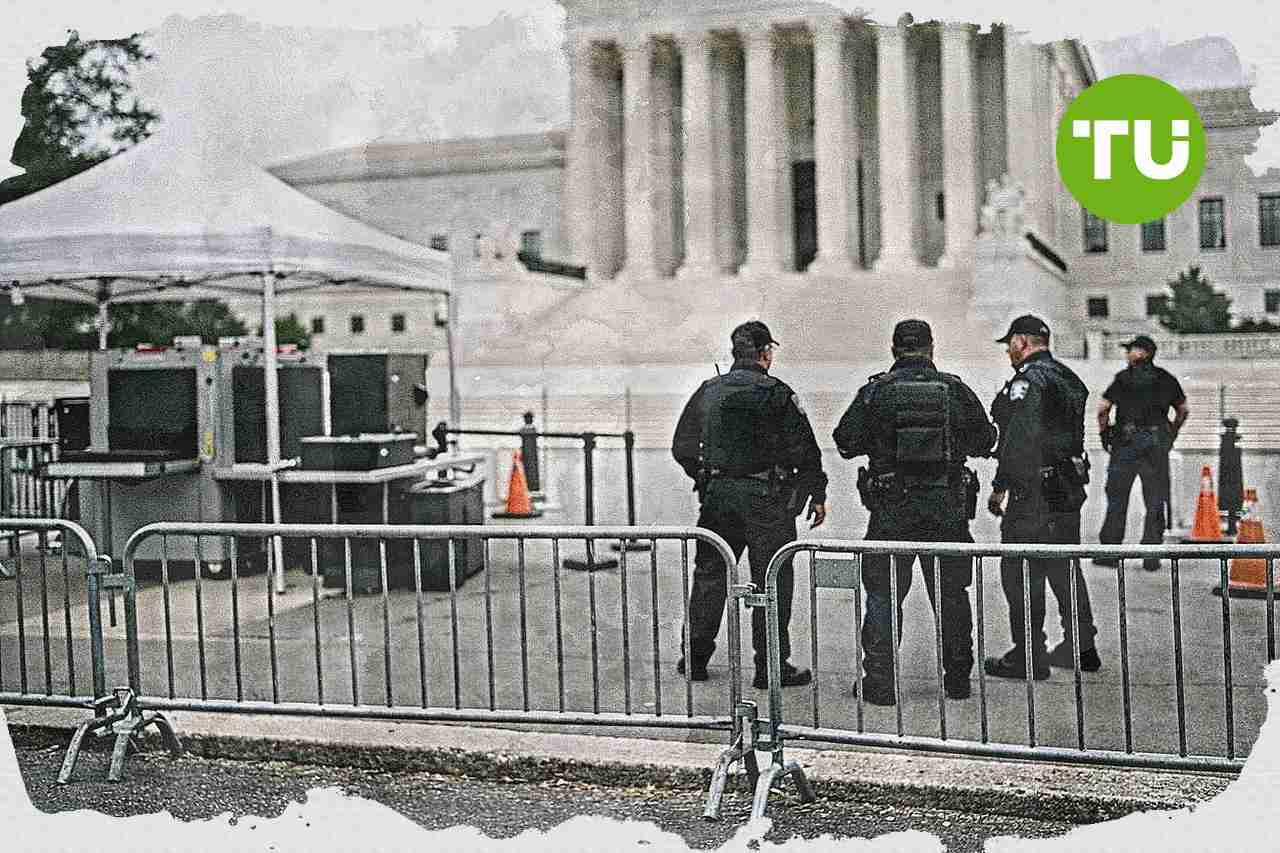
Questions over the U.S. Supreme Court's governance and budget oversight are taking center stage as lawmakers review its FY27 funding request. At a Senate appropriations hearing, Senator Patty Murray presses Justices Elena Kagan and Amy Coney Barrett on emergency rulings, security spending and the lack of an enforceable ethics code.
Highlights
- Senate appropriators press Supreme Court Justices Kagan and Barrett for greater transparency and explanation on emergency applications, emphasizing public trust concerns.
- Murray questions the court's FY26 use of $58 million in added security funding and secures a commitment for future public disclosure of supplemental budget requests.
- Kagan states the court aims for 477 police officers, achievable in a few years with contractors but requiring until the 2030s if hiring only court employees.
FY27 budget hearing sharpens oversight focus
As reported by Senate Committee on Appropriations, Murray uses the Financial Services and General Government Subcommittee hearing to press the justices on how the court handles emergency applications, often referred to as the Shadow Docket, and on whether the public is getting enough explanation for consequential decisions.Kagan says the court is receiving more requests to act quickly before cases move through the full review process, and that the justices are still working through how much briefing, argument and explanation individual emergency matters warrant. Barrett adds that, unlike the court's merits docket, emergency applications do not fit a single standard process, and the court is trying to determine which cases require more formal treatment and which can be resolved more briefly.
Murray says public trust in the judiciary depends on transparency and argues that constituents need clearer assurance that decisions are not shaped by financial conflicts or opaque procedures. She also reiterates support for a stronger and enforceable code of conduct, saying the current framework is self-enforced and weaker than the standards that apply to lower federal courts.
Security spending and operational demands draw questions
Murray also challenges the court's handling of security funding after Congress provides $58 million in additional security money in FY26, including $28 million in a continuing resolution the prior fall. She says the court later seeks more than half of that funding without public justification and asks for a commitment that future budget request documents, including supplemental requests, will be made public.Barrett says the court wants to be transparent and attributes the added request to unexpected needs, including the faster-than-expected end of residential security support from the U.S. Marshals. She says court staff communicates with the committee about how the money is being used and pledges cooperation with congressional oversight.
On staffing, Kagan says the court has a goal of 477 police officers and could potentially reach that level within a couple of years if contract personnel are included. She says building that capacity with the court's own employees likely takes closer to six years, extending into the 2030s, and says additional information on training and security expertise will need to be provided to lawmakers.
Our earlier report on the Supreme Court’s FY27 budget review focused on how rising threats are driving new security requests, including $6.5 million to begin an exterior visitor screening facility. It also detailed the accelerated shift of residential protection from the U.S. Marshals Service to the Supreme Court Police, alongside broader questions raised in the hearing about judicial administration and public confidence.


Latest U.S. Supreme Court News






-
 Afghanistan
-
 Albania
-
 Algeria
-
 Angola
-
 Argentina
-
 Armenia
-
 Australia
-
 Austria
-
 Azerbaijan
-
 Bahamas
-
 Bahrain
-
 Bangladesh
-
 Belarus
-
 Belgium
-
 Bolivia
-
 Botswana
-
 Brazil
-
 Brunei
-
 Bulgaria
-
 Cambodia
-
 Cameroon
-
 Canada
-
 Chile
Chile
-
 China
China
-
 Colombia
-
 Congo
Congo
-
 Costa Rica
-
 Cote d'Ivoire
-
 Croatia
-
 Cuba
Cuba
-
 Cyprus
-
 Czechia
-
 DR Congo
-
 Denmark
-
 Dominican Republic
-
 Ecuador
-
 Egypt
Egypt
-
 El Salvador
-
 Estonia
-
 Eswatini
-
 Ethiopia
-
 Finland
-
 France
-
 Georgia
-
 Germany
-
 Ghana
Ghana
-
 Greece
-
 Haiti
Haiti
-
 Hong Kong
-
 Hungary
-
 India
India
-
 Indonesia
-
 Iran, Islamic republic
-
 Iraq
Iraq
-
 Ireland
-
 Israel
-
 Italy
Italy
-
 Jamaica
-
 Japan
Japan
-
 Jordan
-
 Kazakhstan
-
 Kenya
Kenya
-
 Korea
Korea
-
 Kuwait
-
 Kyrgyzstan
-
 Laos
Laos
-
 Latvia
-
 Lebanon
-
 Lesotho
-
 Libya
Libya
-
 Lithuania
-
 Luxembourg
-
 Madagascar
-
 Malaysia
-
 Malta
Malta
-
 Mauritius
-
 Mexico
-
 Moldova
-
 Mongolia
-
 Montenegro
-
 Morocco
-
 Mozambique
-
 Myanmar
-
 Namibia
-
 Nepal
Nepal
-
 Netherlands
-
 New Zealand
-
 Nigeria
-
 North Macedonia
-
 Norway
-
 Oman
Oman
-
 Pakistan
-
 Palestine
-
 Panama
-
 Papua New Guinea
-
 Paraguay
-
 Peru
Peru
-
 Philippines
-
 Poland
-
 Portugal
-
 Puerto Rico
-
 Qatar
Qatar
-
 Reunion
-
 Romania
-
 Rwanda
-
 Saudi Arabia
-
 Serbia
-
 Singapore
-
 Slovakia
-
 Slovenia
-
 Somalia
-
 South Africa
-
 Spain
Spain
-
 Sri Lanka
-
 Sweden
-
 Switzerland
-
 Syria
Syria
-
 Taiwan
-
 Tajikistan
-
 Tanzania
-
 Thailand
-
 Trinidad and Tobago
-
 Tunisia
-
 Turkey
-
 UAE
UAE
-
 Uganda
-
 Ukraine
-
 United Kingdom
-
United States
-
 Uruguay
-
 Uzbekistan
-
 Venezuela
-
 Vietnam
-
 Yemen
Yemen
-
 Zambia
-
 Zimbabwe
- Forex
- Crypto











