
Italy bases use disclosure deepens political risk over U.S. Iran operation
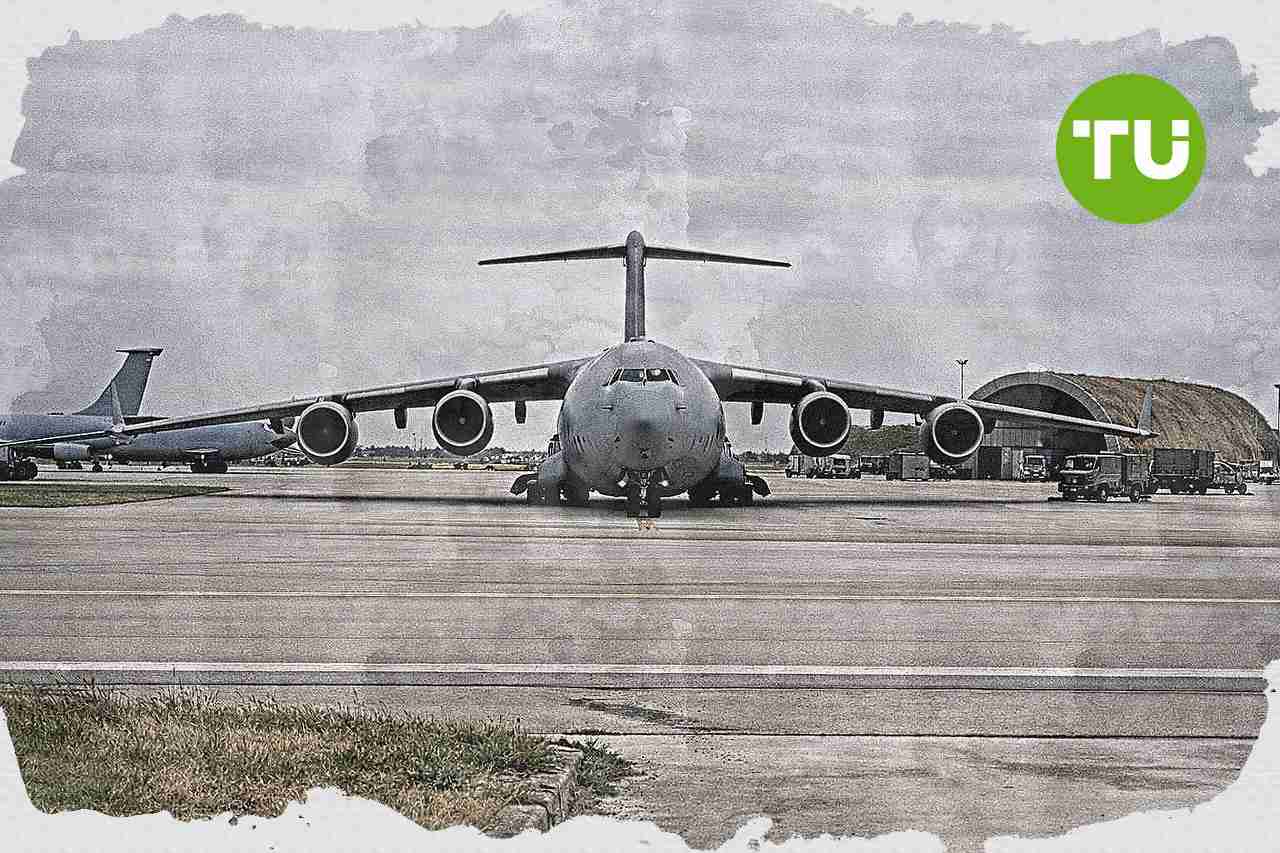
Pressure is rising on Italy's government after Nato Secretary-General Mark Rutte says hundreds of U.S. aircraft took off from bases in Italy in support of Washington's operation against Iran. The disclosure sharpens domestic scrutiny of Prime Minister Giorgia Meloni's earlier insistence that Italy neither supported nor took part in the campaign.
Highlights
- Rutte states Italy quietly allowed 500 U.S. planes to depart from bases on its soil for Operation Epic Fury, intensifying domestic and alliance scrutiny.
- Trump administration launches a six-month review of U.S. military presence in Europe, including gradual reductions in bases and troop capabilities as focus shifts to Asia.
- Italian defence ministry rejects Rutte's claim, insisting only non-kinetic flights are authorized, while opposition parties demand Meloni clarify Italy's actual involvement.
Rutte disclosure intensifies Italy dispute
As reported by Financial Times, Rutte says Italy quietly allowed 500 U.S. planes to depart from U.S. bases on Italian soil as part of what Washington calls Operation Epic Fury, while several European allies provided similar support without emphasizing it publicly. He tells Fox News that 4,000 to 5,000 aircraft in total have taken off from European bases for the operation, arguing that allied backing has been broader than public political messaging suggests.His remarks come before a Washington meeting with President Donald Trump and less than two weeks before a summit of Nato's 32 leaders. Rutte is trying to contain strains inside the alliance as Trump criticizes European members for what he sees as insufficient support in the Middle East war.
The issue carries wider strategic weight because the Trump administration last week starts a six-month review of its military presence in Europe, including bases, weapons and troop deployments, and begins reducing some capabilities as part of a pivot to Asia. Nato officials argue that U.S. facilities across Europe remain critical not only for defending the continent but also for sustaining American operations in the Middle East.
Domestic fallout builds for Meloni
Rutte's comments create a sensitive political problem in Italy, where the use of domestic bases for an unpopular bombing campaign is highly controversial. Alessandro Marrone of Rome's Institute for International Affairs says the public statement raises direct questions over whether Italian bases were involved, how they were used and to what extent, leaving Meloni under pressure to explain events carefully.Italy's defence ministry pushes back in a statement, calling it surprising that Rutte, whom it says is not directly involved in Epic Fury, is presenting an account that gives a misleading impression by confusing the type of authorized flights. The ministry says only technical and logistical, non-kinetic activities are authorized under existing agreements and adds that Italy refuses any requests outside that scope.
That response contrasts with earlier public positions from Rome. Defence Minister Guido Crosetto says in March that Italy refuses to let U.S. warplanes bound for the Iran theatre refuel at the Sigonella air base in Sicily, and Meloni later tells lawmakers that Italy has neither supported nor participated in the operation against Iran.
Opposition parties are now demanding that Meloni appear in parliament to clarify Italy's role. Critics from the Democratic Party, Green and Left Alliance and Five Star Movement say Rutte's account undermines the government's previous assurances and raises questions over whether Italy was drawn into the conflict without transparent parliamentary authorization.
In our earlier article on war-related damage to natural gas infrastructure in Iran, Qatar and the UAE, we explained that prolonged outages could keep part of Middle East LNG supply offline for years. We also noted that, as global LNG demand rises toward 2030, this disruption strengthens the strategic and commercial opening for U.S. LNG exporters, with new U.S. liquefaction and pipeline capacity poised to capture more of the growth.


Latest American Tower News






-
 Afghanistan
-
 Albania
-
 Algeria
-
 Angola
-
 Argentina
-
 Armenia
-
 Australia
-
 Austria
-
 Azerbaijan
-
 Bahamas
-
 Bahrain
-
 Bangladesh
-
 Belarus
-
 Belgium
-
 Bolivia
-
 Botswana
-
 Brazil
-
 Brunei
-
 Bulgaria
-
 Cambodia
-
 Cameroon
-
 Canada
-
 Chile
Chile
-
 China
China
-
 Colombia
-
 Congo
Congo
-
 Costa Rica
-
 Cote d'Ivoire
-
 Croatia
-
 Cuba
Cuba
-
 Cyprus
-
 Czechia
-
 DR Congo
-
 Denmark
-
 Dominican Republic
-
 Ecuador
-
 Egypt
Egypt
-
 El Salvador
-
 Estonia
-
 Eswatini
-
 Ethiopia
-
 Finland
-
 France
-
 Georgia
-
 Germany
-
 Ghana
Ghana
-
 Greece
-
 Haiti
Haiti
-
 Hong Kong
-
 Hungary
-
 India
India
-
 Indonesia
-
 Iran, Islamic republic
-
 Iraq
Iraq
-
 Ireland
-
 Israel
-
 Italy
Italy
-
 Jamaica
-
 Japan
Japan
-
 Jordan
-
 Kazakhstan
-
 Kenya
Kenya
-
 Korea
Korea
-
 Kuwait
-
 Kyrgyzstan
-
 Laos
Laos
-
 Latvia
-
 Lebanon
-
 Lesotho
-
 Libya
Libya
-
 Lithuania
-
 Luxembourg
-
 Madagascar
-
 Malaysia
-
 Malta
Malta
-
 Mauritius
-
 Mexico
-
 Moldova
-
 Mongolia
-
 Montenegro
-
 Morocco
-
 Mozambique
-
 Myanmar
-
 Namibia
-
 Nepal
Nepal
-
 Netherlands
-
 New Zealand
-
 Nigeria
-
 North Macedonia
-
 Norway
-
 Oman
Oman
-
 Pakistan
-
 Palestine
-
 Panama
-
 Papua New Guinea
-
 Paraguay
-
 Peru
Peru
-
 Philippines
-
 Poland
-
 Portugal
-
 Puerto Rico
-
 Qatar
Qatar
-
 Reunion
-
 Romania
-
 Rwanda
-
 Saudi Arabia
-
 Serbia
-
 Singapore
-
 Slovakia
-
 Slovenia
-
 Somalia
-
 South Africa
-
 Spain
Spain
-
 Sri Lanka
-
 Sweden
-
 Switzerland
-
 Syria
Syria
-
 Taiwan
-
 Tajikistan
-
 Tanzania
-
 Thailand
-
 Trinidad and Tobago
-
 Tunisia
-
 Turkey
-
 UAE
UAE
-
 Uganda
-
 Ukraine
-
 United Kingdom
-
United States
-
 Uruguay
-
 Uzbekistan
-
 Venezuela
-
 Vietnam
-
 Yemen
Yemen
-
 Zambia
-
 Zimbabwe
- Forex
- Crypto











