
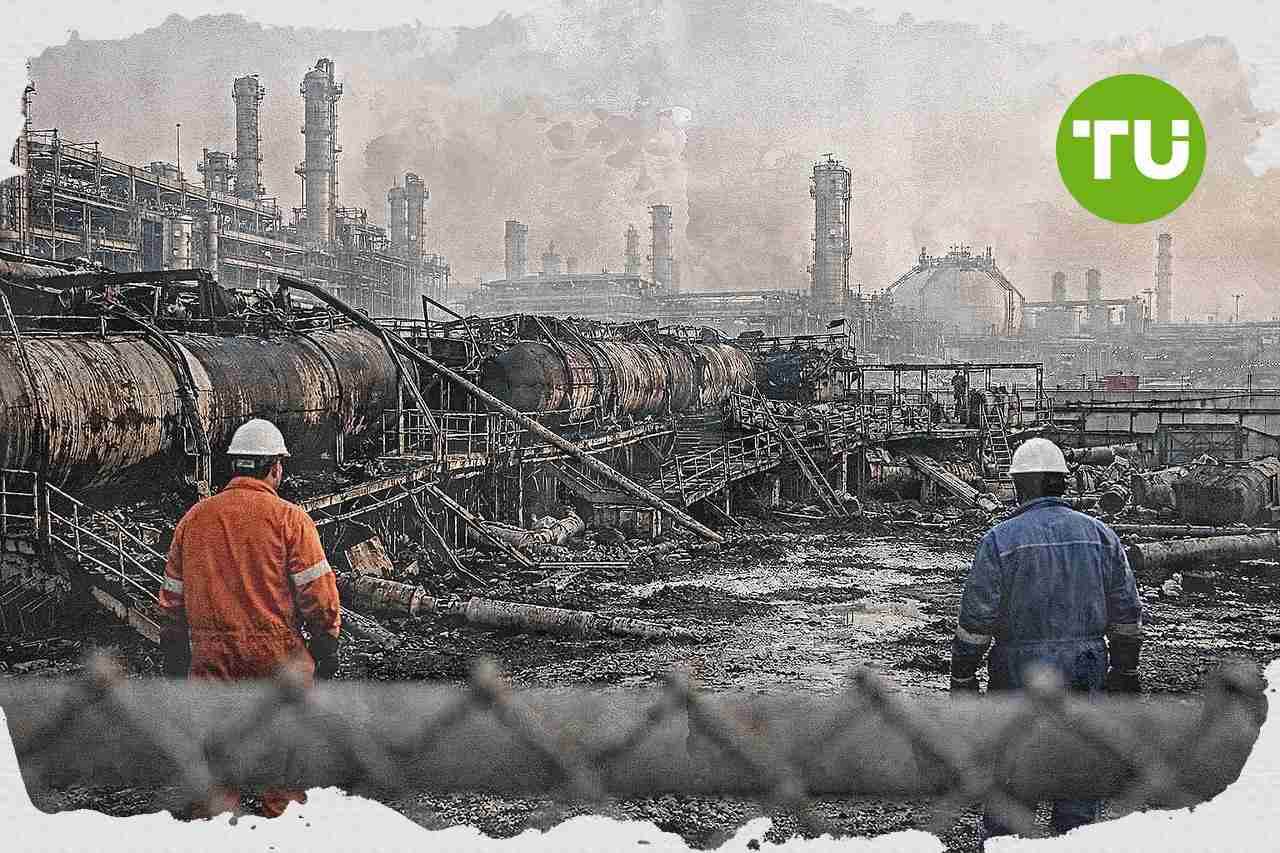
Damage to gas infrastructure in Iran, Qatar and the United Arab Emirates is expected to keep part of Middle East supply offline as global LNG demand rises. That setup could widen the market opening for U.S. exporters through 2030, with new liquefaction and pipeline capacity positioned to capture a larger share of growth.
Highlights
- Iran, Qatar, and the UAE suffered major natural gas infrastructure damage, with Qatar's Ras Laffan complex losing 17% of LNG export capacity for three to five years.
- U.S. LNG export capacity is set to nearly double by 2030, driven by a 10.6% CAGR and an estimated 13.9 Bcf/d liquefaction buildout between 2025 and 2029.
- Global LNG demand will rise 200 million tonnes per annum by 2030, strengthening U.S. market position as foreign demand for U.S. LNG rises about 15% this year.
Middle East outages reshape LNG supply outlook
As reported by Weiss Ratings, war damage across key Persian Gulf producers is delaying the return of natural gas production and export capacity, especially in Iran, Qatar and the United Arab Emirates.Iran lost about 50% of its hydrocarbon production, and natural gas accounts for up to 70% of its oil-and-gas mix, the report says. Its South Pars gas field, shared with Qatar, was taken offline, with a return to prewar production expected to take six to 12 months.
In Qatar, the Ras Laffan complex sustained the biggest blow, with damage to two LNG trains and major fires. While some gas infrastructure may be repaired within months, the damaged Ras Laffan facilities are expected to take three to five years to recover, leaving about 17% of Qatar’s LNG export capacity, or roughly 12.8 million tonnes per annum, offline.
The United Arab Emirates also faces a slower recovery at the Habshan gas processing facility after missile strikes. About 60% has been repaired and another 20% is expected back online by the end of the year, but a full return is not expected until next year.
U.S. export build-out gains strategic importance
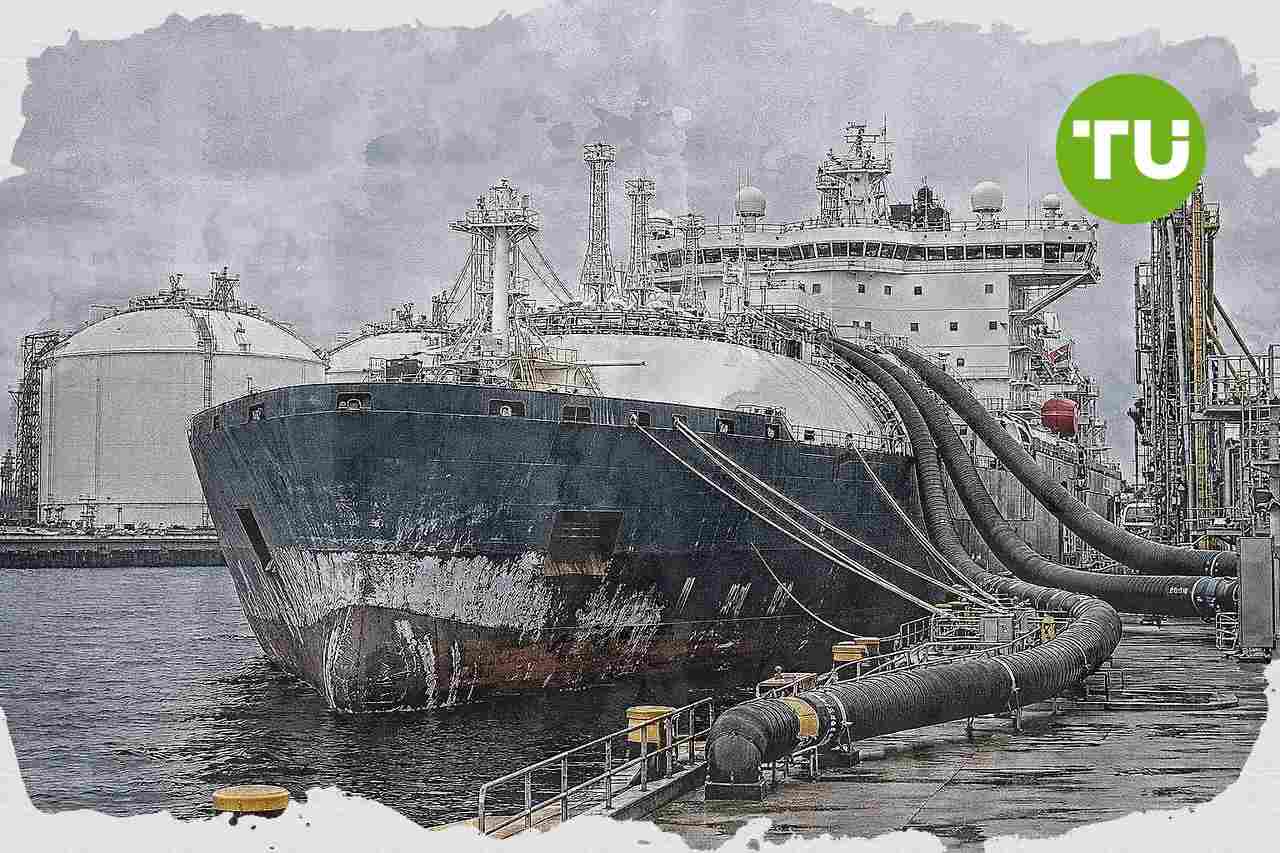
These disruptions come as global LNG demand is projected to rise by 200 million tonnes per annum by 2030, or about 25% from current levels, while Qatar’s expansion plans face delays. That leaves the U.S. in a stronger position to fill incremental supply needs over the rest of the decade.Weiss Ratings says U.S. LNG export capacity is already ramping up and is on track for a 10.6% compound annual growth rate through 2030, implying capacity could nearly double from mid-2020s levels. The U.S. exported about 11.9 billion cubic feet per day of LNG in 2024 and 14.6 Bcf/d in 2025, while the U.S. Energy Information Administration has said exporters plan to add an estimated 13.9 Bcf/d of liquefaction capacity between 2025 and 2029.
Foreign demand for U.S. LNG is expected to rise about 15% this year after a similar increase last year, supported by record flows to Europe and continued demand from Latin America and Asia. The EIA also forecasts Henry Hub prices will climb about 65% by 2050, excluding inflation, while about 62 Bcf/d of new pipeline capacity is projected to enter service between 2026 and 2030 to supply LNG plants and exports.
In our earlier coverage of U.S. natural gas prices trading near $3.20, we noted a market balanced between seasonal demand and comfortable inventories, with EIA data showing storage above the five-year average. The piece highlighted that hotter-weather forecasts could lift power-sector demand, but rising production and elevated stockpiles were still capping upside, even as LNG exports increase.


Latest Natural Gas News






-
 Afghanistan
-
 Albania
-
 Algeria
-
 Angola
-
 Argentina
-
 Armenia
-
 Australia
-
 Austria
-
 Azerbaijan
-
 Bahamas
-
 Bahrain
-
 Bangladesh
-
 Belarus
-
 Belgium
-
 Bolivia
-
 Botswana
-
 Brazil
-
 Brunei
-
 Bulgaria
-
 Cambodia
-
 Cameroon
-
 Canada
-
 Chile
Chile
-
 China
China
-
 Colombia
-
 Congo
Congo
-
 Costa Rica
-
 Cote d'Ivoire
-
 Croatia
-
 Cuba
Cuba
-
 Cyprus
-
 Czechia
-
 DR Congo
-
 Denmark
-
 Dominican Republic
-
 Ecuador
-
 Egypt
Egypt
-
 El Salvador
-
 Estonia
-
 Eswatini
-
 Ethiopia
-
 Finland
-
 France
-
 Georgia
-
 Germany
-
 Ghana
Ghana
-
 Greece
-
 Haiti
Haiti
-
 Hong Kong
-
 Hungary
-
 India
India
-
 Indonesia
-
 Iran, Islamic republic
-
 Iraq
Iraq
-
 Ireland
-
 Israel
-
 Italy
Italy
-
 Jamaica
-
 Japan
Japan
-
 Jordan
-
 Kazakhstan
-
 Kenya
Kenya
-
 Korea
Korea
-
 Kuwait
-
 Kyrgyzstan
-
 Laos
Laos
-
 Latvia
-
 Lebanon
-
 Lesotho
-
 Libya
Libya
-
 Lithuania
-
 Luxembourg
-
 Madagascar
-
 Malaysia
-
 Malta
Malta
-
 Mauritius
-
 Mexico
-
 Moldova
-
 Mongolia
-
 Montenegro
-
 Morocco
-
 Mozambique
-
 Myanmar
-
 Namibia
-
 Nepal
Nepal
-
 Netherlands
-
 New Zealand
-
 Nigeria
-
 North Macedonia
-
 Norway
-
 Oman
Oman
-
 Pakistan
-
 Palestine
-
 Panama
-
 Papua New Guinea
-
 Paraguay
-
 Peru
Peru
-
 Philippines
-
 Poland
-
 Portugal
-
 Puerto Rico
-
 Qatar
Qatar
-
 Reunion
-
 Romania
-
 Rwanda
-
 Saudi Arabia
-
 Serbia
-
 Singapore
-
 Slovakia
-
 Slovenia
-
 Somalia
-
 South Africa
-
 Spain
Spain
-
 Sri Lanka
-
 Sweden
-
 Switzerland
-
 Syria
Syria
-
 Taiwan
-
 Tajikistan
-
 Tanzania
-
 Thailand
-
 Trinidad and Tobago
-
 Tunisia
-
 Turkey
-
 UAE
UAE
-
 Uganda
-
 Ukraine
-
 United Kingdom
-
United States
-
 Uruguay
-
 Uzbekistan
-
 Venezuela
-
 Vietnam
-
 Yemen
Yemen
-
 Zambia
-
 Zimbabwe
- Forex
- Crypto











