
U.S.-Iran memorandum offers ceasefire path despite political backlash
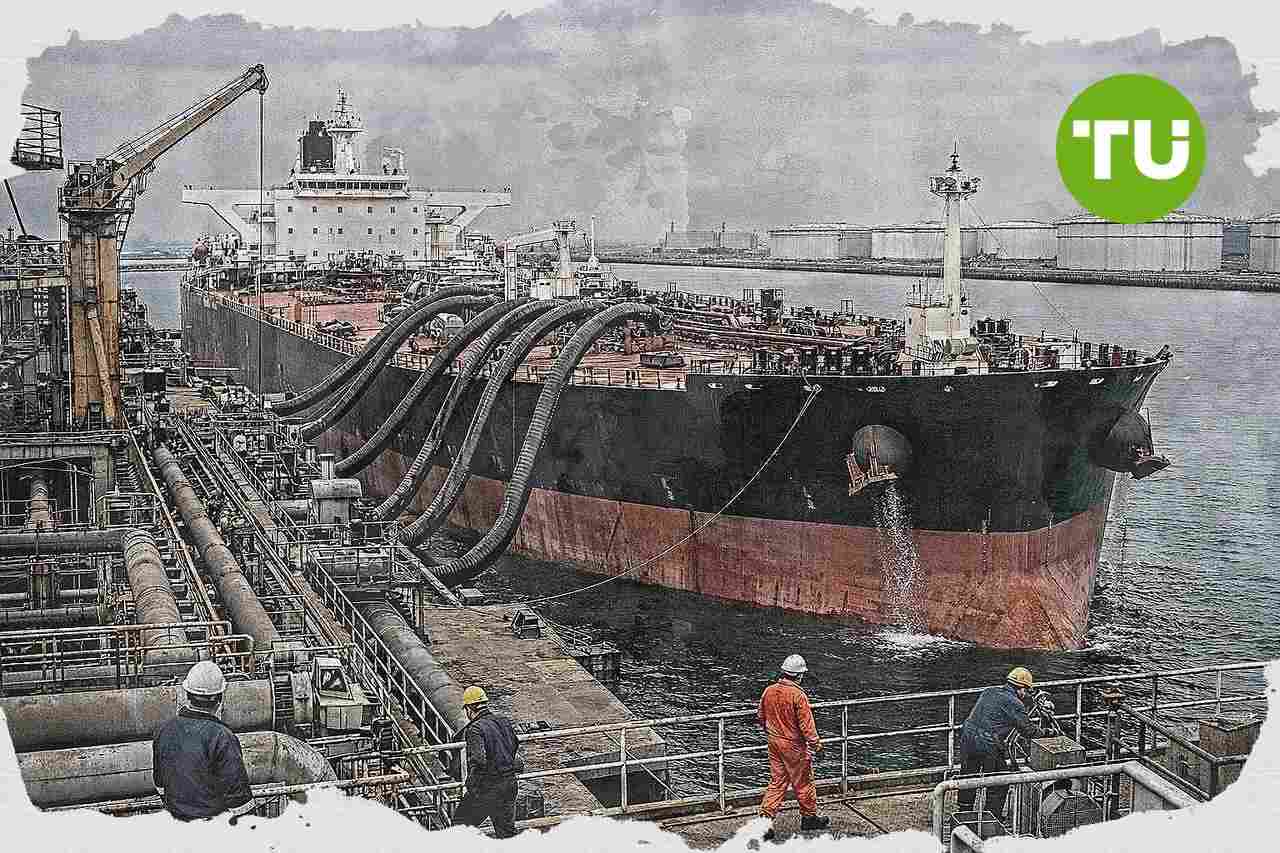
After a costly confrontation between Washington and Tehran, the interim memorandum of understanding is emerging as a contentious but practical step toward halting further damage. The pact remains vague and limited in scope, yet it focuses on ending the war, reopening the Strait of Hormuz and setting parameters for broader negotiations.
Highlights
- The U.S.-Iran memorandum proposes a ceasefire, reopening the Strait of Hormuz, provisional Iranian oil sales, and partial access to Iran's frozen assets amid bipartisan political criticism.
- Potential economic benefits for Iran under the MOU include about $5bn per month in oil revenue and gradual, restricted access to frozen funds, but sweeping sanctions relief remains contingent on a final accord.
- The memorandum reflects strategic constraints for both sides, aiming to limit financial and geopolitical damage rather than deliver significant immediate gains to Tehran.
Deal terms and political objections
As reported by Financial Times, criticism of the memorandum is coming from both Republicans and Democrats, even though the interim accord mainly provides for a halt to hostilities, the reopening of the Strait of Hormuz, provisional Iranian oil sales and access to part of Iran's frozen assets.The agreement is described as imprecise, with disputed interpretations and an ambitious timeline for a final settlement. Still, comparing it directly with the 2015 JCPOA is misleading because that earlier accord was a detailed framework on Iran's nuclear programme and sanctions, while the current MOU is only a short statement of principles meant to guide future talks.
Republican hardliners appear unwilling to accept an outcome short of regime collapse or a far broader concession from Tehran. Democratic criticism is more complicated, but it also rests on the assumption that Washington could still secure better terms after war and economic pressure had already failed to force a decisive Iranian climbdown.
Economic costs and strategic implications
The central argument behind support for the MOU is that prolonging the conflict, tightening sanctions further or resuming strikes would deepen economic risks for the U.S. and add to the destruction already inflicted on Iran, without guaranteeing a more favorable negotiating position.Critics have focused on the prospect of sweeping sanctions relief and reconstruction support, including references to $300bn for Iran's recovery. But those gains remain contingent on a final accord that may never be reached, while the near-term benefits appear more limited, including about $5bn a month in oil revenue and gradual access to frozen Iranian funds, likely with restrictions on their use.
Set against the scale of wartime damage to Iran's infrastructure and the risk of a sharp economic contraction, the memorandum does not amount to a windfall for Tehran. In that reading, the interim deal reflects strategic constraints on both sides and functions less as a concession than as an attempt to contain the financial and geopolitical fallout of an already damaging war.
Our earlier article on Capitol Hill tensions over Trump’s Iran war funding explained how the White House faced mounting pressure to secure approval for $88bn in new federal spending, including $67bn tied to the conflict. We noted that Republican dissent sharpened after several senators backed a war powers resolution to curb the president’s authority, highlighting the growing domestic political costs of continuing hostilities with Tehran.


Latest American Tower News







-
 Afghanistan
-
 Albania
-
 Algeria
-
 Angola
-
 Argentina
-
 Armenia
-
 Australia
-
 Austria
-
 Azerbaijan
-
 Bahamas
-
 Bahrain
-
 Bangladesh
-
 Belarus
-
 Belgium
-
 Bolivia
-
 Botswana
-
 Brazil
-
 Brunei
-
 Bulgaria
-
 Cambodia
-
 Cameroon
-
 Canada
-
 Chile
Chile
-
 China
China
-
 Colombia
-
 Congo
Congo
-
 Costa Rica
-
 Cote d'Ivoire
-
 Croatia
-
 Cuba
Cuba
-
 Cyprus
-
 Czechia
-
 DR Congo
-
 Denmark
-
 Dominican Republic
-
 Ecuador
-
 Egypt
Egypt
-
 El Salvador
-
 Estonia
-
 Eswatini
-
 Ethiopia
-
 Finland
-
 France
-
 Georgia
-
 Germany
-
 Ghana
Ghana
-
 Greece
-
 Haiti
Haiti
-
 Hong Kong
-
 Hungary
-
 India
India
-
 Indonesia
-
 Iran, Islamic republic
-
 Iraq
Iraq
-
 Ireland
-
 Israel
-
 Italy
Italy
-
 Jamaica
-
 Japan
Japan
-
 Jordan
-
 Kazakhstan
-
 Kenya
Kenya
-
 Korea
Korea
-
 Kuwait
-
 Kyrgyzstan
-
 Laos
Laos
-
 Latvia
-
 Lebanon
-
 Lesotho
-
 Libya
Libya
-
 Lithuania
-
 Luxembourg
-
 Madagascar
-
 Malaysia
-
 Malta
Malta
-
 Mauritius
-
 Mexico
-
 Moldova
-
 Mongolia
-
 Montenegro
-
 Morocco
-
 Mozambique
-
 Myanmar
-
 Namibia
-
 Nepal
Nepal
-
 Netherlands
-
 New Zealand
-
 Nigeria
-
 North Macedonia
-
 Norway
-
 Oman
Oman
-
 Pakistan
-
 Palestine
-
 Panama
-
 Papua New Guinea
-
 Paraguay
-
 Peru
Peru
-
 Philippines
-
 Poland
-
 Portugal
-
 Puerto Rico
-
 Qatar
Qatar
-
 Reunion
-
 Romania
-
 Rwanda
-
 Saudi Arabia
-
 Serbia
-
 Singapore
-
 Slovakia
-
 Slovenia
-
 Somalia
-
 South Africa
-
 Spain
Spain
-
 Sri Lanka
-
 Sweden
-
 Switzerland
-
 Syria
Syria
-
 Taiwan
-
 Tajikistan
-
 Tanzania
-
 Thailand
-
 Trinidad and Tobago
-
 Tunisia
-
 Turkey
-
 UAE
UAE
-
 Uganda
-
 Ukraine
-
 United Kingdom
-
United States
-
 Uruguay
-
 Uzbekistan
-
 Venezuela
-
 Vietnam
-
 Yemen
Yemen
-
 Zambia
-
 Zimbabwe
- Forex
- Crypto











