
Texas halal barbecue restaurant targets growth after $2 million-plus first year
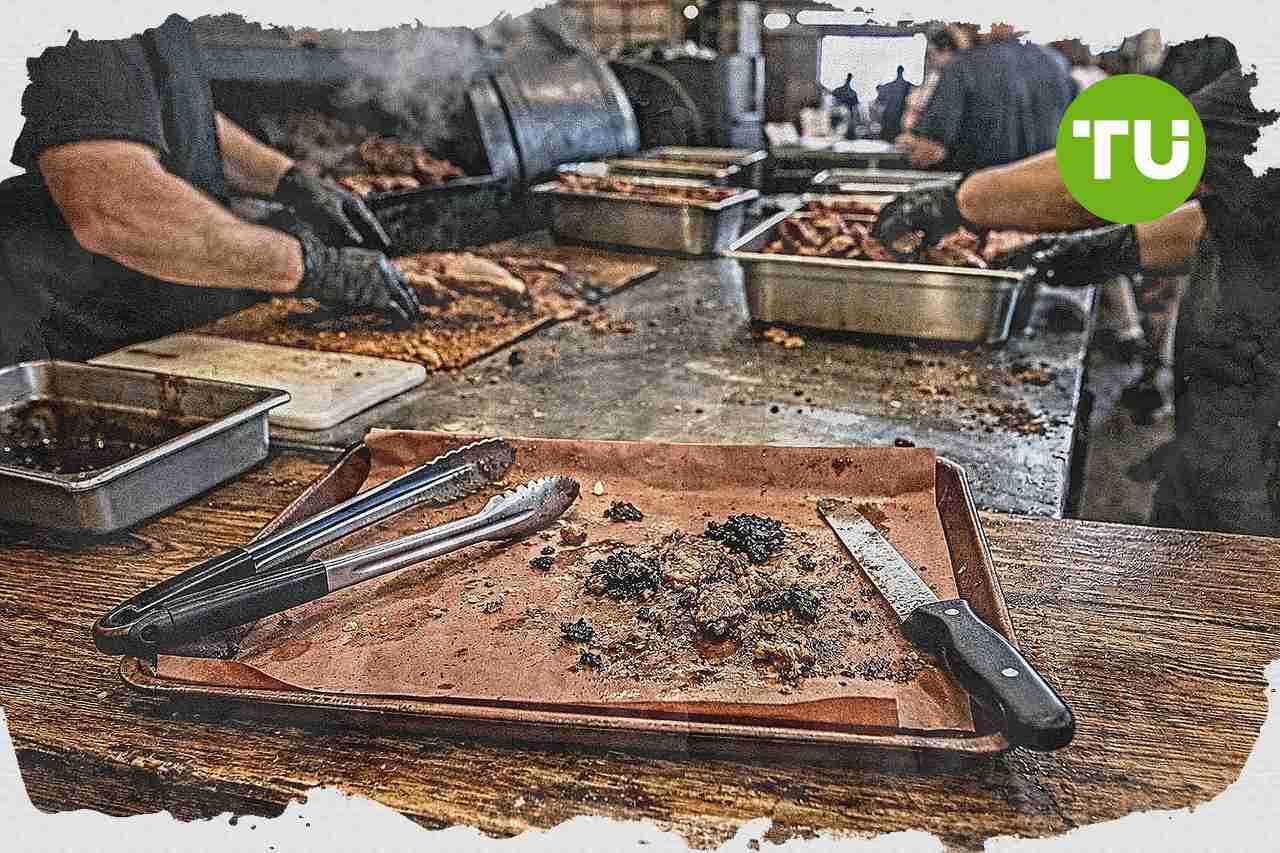
After leaving a high-paying tech career, a former product executive is building a halal barbecue business in Irving, Texas, around demand he says was underserved in the local market. Kafi BBQ opens in December 2024, sells out on its first day and is now generating monthly profit while its founder continues to reinvest revenue instead of taking a salary.
Highlights
- Kafi BBQ generated just under $2.3 million in revenue last year and targets up to $4 million in 2024 after a $1 million initial investment.
- The restaurant maintains monthly profitability with average operating costs of $215,000, driven by $125,000 food costs and $50,000 labor expenses.
- Industry recognition from D Magazine and Eater, plus a 50/50 halal–non-halal customer mix, supports plans for broader growth beyond its core niche.
Demand testing and early revenue growth
As reported by Business Insider, Kafi BBQ founder Salahodeen Abdul-Kafi says he spent years in tech at companies including Microsoft, Google, YouTube, Shopify and Cruise before moving to Texas and developing the restaurant concept around halal brisket. He says he tested demand by selling brisket from home, running events and gathering cost and sales data before committing to a lease and a roughly $1 million initial investment.The restaurant opens in December 2024 and sells through three days of prepared barbecue on its first day, prompting overnight cooking to replenish supply. Abdul-Kafi says the business makes more than $2 million in its first year, generates just under $2.3 million in revenue last year and is projected to reach as much as $4 million this year.
Kafi BBQ also gains industry recognition, with D Magazine naming it among the top 12 barbecue restaurants in Dallas-Fort Worth and Eater listing it among the 15 best new restaurants in America. The customer mix is split roughly evenly between diners who follow a halal diet and those who do not, reflecting broader appeal beyond its core niche.
Cost pressures and operating model
Despite the revenue growth, Abdul-Kafi says he has not paid himself since opening and is living off savings while the company works to recover startup costs. He says the restaurant is profitable on a monthly basis, but not yet at a stage where it can repay the full upfront investment.Operating expenses remain high, with food costs of about $125,000 a month, labor of about $50,000, rent of about $15,000 and additional spending on utilities, marketing, spices and disposables. In total, he puts monthly costs at roughly $215,000, underlining the capital-intensive nature of the barbecue segment.
Abdul-Kafi says he applies product development methods from tech to restaurant operations, including detailed recipe tracking, yield analysis and repeated menu testing based on customer feedback. That approach, he says, helps the business refine items such as its pomegranate beef belly burnt ends while supporting continued growth in the Texas barbecue market.
Our earlier coverage of fresh U.S. venture capital rankings highlighted how strongly the Power Law drives outcomes in the industry: a small group of firms captures the vast majority of profits. We also noted that many large VC managers are concentrating on fewer, bigger late-stage bets, which can reshape access to capital and make funding—and its economics—more uneven for founders and investors alike.


Latest Local Business News






-
 Afghanistan
-
 Albania
-
 Algeria
-
 Angola
-
 Argentina
-
 Armenia
-
 Australia
-
 Austria
-
 Azerbaijan
-
 Bahamas
-
 Bahrain
-
 Bangladesh
-
 Belarus
-
 Belgium
-
 Bolivia
-
 Botswana
-
 Brazil
-
 Brunei
-
 Bulgaria
-
 Cambodia
-
 Cameroon
-
 Canada
-
 Chile
Chile
-
 China
China
-
 Colombia
-
 Congo
Congo
-
 Costa Rica
-
 Cote d'Ivoire
-
 Croatia
-
 Cuba
Cuba
-
 Cyprus
-
 Czechia
-
 DR Congo
-
 Denmark
-
 Dominican Republic
-
 Ecuador
-
 Egypt
Egypt
-
 El Salvador
-
 Estonia
-
 Eswatini
-
 Ethiopia
-
 Finland
-
 France
-
 Georgia
-
 Germany
-
 Ghana
Ghana
-
 Greece
-
 Haiti
Haiti
-
 Hong Kong
-
 Hungary
-
 India
India
-
 Indonesia
-
 Iran, Islamic republic
-
 Iraq
Iraq
-
 Ireland
-
 Israel
-
 Italy
Italy
-
 Jamaica
-
 Japan
Japan
-
 Jordan
-
 Kazakhstan
-
 Kenya
Kenya
-
 Korea
Korea
-
 Kuwait
-
 Kyrgyzstan
-
 Laos
Laos
-
 Latvia
-
 Lebanon
-
 Lesotho
-
 Libya
Libya
-
 Lithuania
-
 Luxembourg
-
 Madagascar
-
 Malaysia
-
 Malta
Malta
-
 Mauritius
-
 Mexico
-
 Moldova
-
 Mongolia
-
 Montenegro
-
 Morocco
-
 Mozambique
-
 Myanmar
-
 Namibia
-
 Nepal
Nepal
-
 Netherlands
-
 New Zealand
-
 Nigeria
-
 North Macedonia
-
 Norway
-
 Oman
Oman
-
 Pakistan
-
 Palestine
-
 Panama
-
 Papua New Guinea
-
 Paraguay
-
 Peru
Peru
-
 Philippines
-
 Poland
-
 Portugal
-
 Puerto Rico
-
 Qatar
Qatar
-
 Reunion
-
 Romania
-
 Rwanda
-
 Saudi Arabia
-
 Serbia
-
 Singapore
-
 Slovakia
-
 Slovenia
-
 Somalia
-
 South Africa
-
 Spain
Spain
-
 Sri Lanka
-
 Sweden
-
 Switzerland
-
 Syria
Syria
-
 Taiwan
-
 Tajikistan
-
 Tanzania
-
 Thailand
-
 Trinidad and Tobago
-
 Tunisia
-
 Turkey
-
 UAE
UAE
-
 Uganda
-
 Ukraine
-
 United Kingdom
-
United States
-
 Uruguay
-
 Uzbekistan
-
 Venezuela
-
 Vietnam
-
 Yemen
Yemen
-
 Zambia
-
 Zimbabwe
- Forex
- Crypto











