

White House eases pressure on Fed as Warsh holds rates amid 4.1% inflation
Rising inflation and volatile energy costs are reshaping the Trump administration’s messaging on monetary policy as the Federal Reserve keeps borrowing costs unchanged. The shift gives new Fed Chair Kevin Warsh more room to navigate price pressures after inflation reaches 4.1% in May, even as President Donald Trump continues to publicly favor rate cuts.
Highlights
- Federal Reserve under Chair Kevin Warsh held rates steady despite 4.1% annual PCE inflation and ended bias toward rate cuts, with projections showing nearly half of policymakers expect a rate rise in 2024.
- White House advisers softened calls for immediate rate cuts, giving Warsh a political grace period as energy-driven inflation risks persist, and administration statements now emphasize Fed independence.
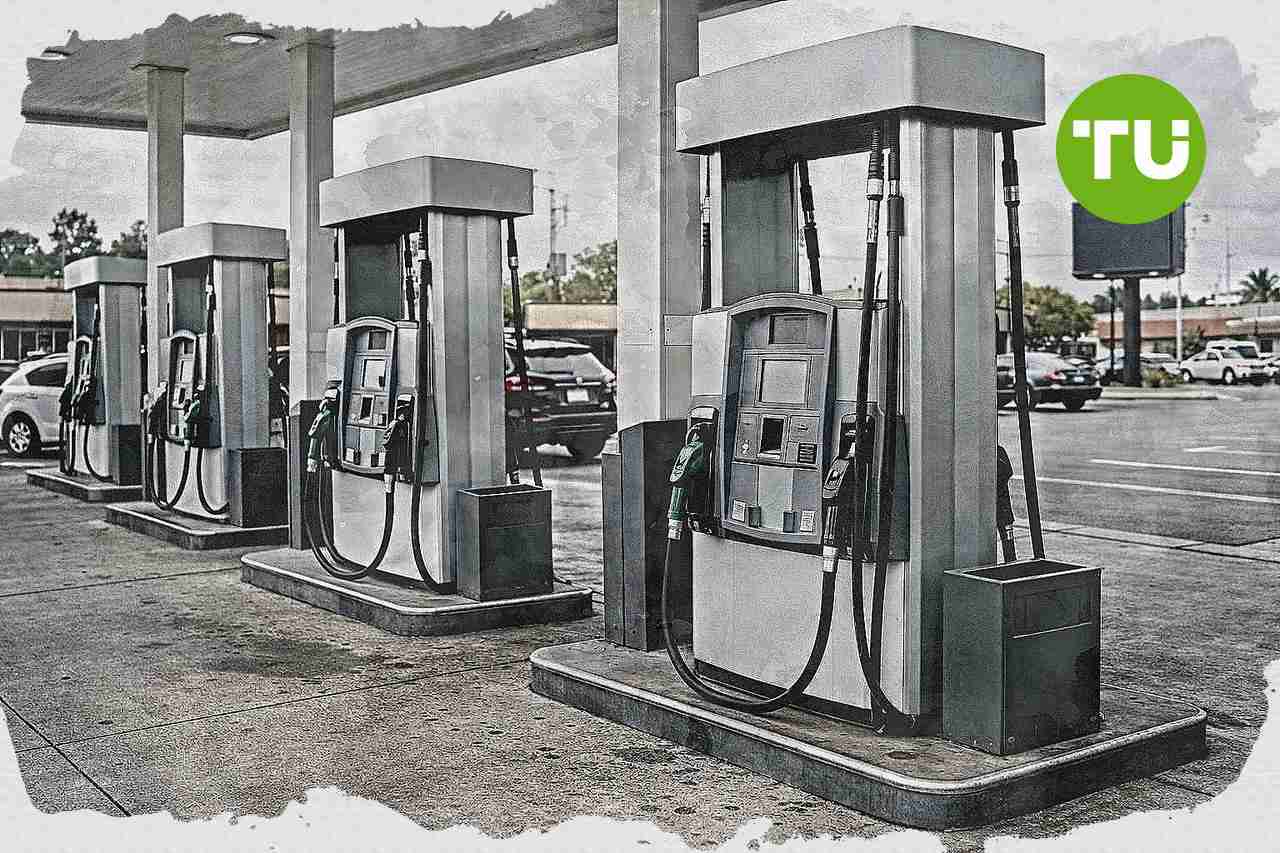
- Average U.S. gasoline prices dropped to $3.90 per gallon, down 58 cents month-over-month after reopening the Strait of Hormuz, but Middle East instability—including a cargo ship attack—continues to threaten inflation outlook before the July Fed meeting.
Inflation data shifts White House tone
As reported by CNBC, some of President Donald Trump’s economic advisers are signaling more patience with Federal Reserve Chair Kevin Warsh after the central bank decides to keep interest rates steady. The softer tone comes as inflation remains well above the Fed’s 2% target, with personal consumption expenditures rising 4.1% in the year ending in May and core inflation, which strips out food and energy, increasing 3.4%.Trump still says he wants lower rates, repeating on Wednesday that low interest rates would help resolve economic pressures. But several senior advisers have recently stopped short of urging immediate cuts, marking a change from their earlier stance before the Iran war pushed some prices higher and before Warsh took over as Fed chair.
A White House official says the shift does not reflect a different reading of the data, but rather the arrival of a new Fed leader who is being given a longer political grace period. Warsh says the Fed is closely watching incoming data and insists the central bank will deliver price stability.
Last week, Warsh and the Fed’s rate-setting committee keep rates unchanged and end a long-running policy bias toward rate cuts. Projections released at the same time show that nearly half of Fed policymakers expect rates to rise this year, while CME FedWatch data points to a 79% chance of an increase by the end of December and no expectation of a cut.
Energy prices and policy risks remain in focus
White House trade adviser Peter Navarro writes in an opinion essay on Thursday that the latest inflation figures make a hold-steady case for the Fed. Treasury Secretary Scott Bessent also says this week that Warsh will be independent, and in a CNBC interview declines to explicitly endorse a rate cut while urging observers to keep an open mind.Trump says Warsh should do what he wants and be totally independent, but his own calls for lower rates underline the risk of renewed pressure if inflation moderates or political priorities change. The administration’s more restrained stance therefore appears conditional rather than permanent.
Energy markets remain central to that outlook. Prices have fallen after a deal to reopen the Strait of Hormuz, and the average U.S. gasoline price stands at $3.90 a gallon on Friday, down 58 cents from a month earlier, but instability in the Middle East continues to cloud the inflation path ahead of the Fed’s next meeting in late July.
The uncertainty is reinforced by an attack by Iranian forces on a cargo ship in the strait on Thursday, highlighting how quickly supply disruptions could return. White House spokesman Kush Desai says the president and administration officials remain confident in Warsh and argues the administration’s supply-side policies are cooling inflation despite temporary energy market disruptions.
In our earlier coverage of falling long-term inflation expectations, we noted that bond-market measures such as 10-year break-evens eased as Fed Chair Kevin Warsh signaled a more hawkish stance and oil prices retreated. We also pointed out that, despite PCE inflation still running well above the Fed’s 2% target, market pricing began to lean back toward at least one rate hike this year, reducing fears that the Fed would be pushed into premature cuts.





Latest Fed News




-
 Afghanistan
-
 Albania
-
 Algeria
-
 Angola
-
 Argentina
-
 Armenia
-
 Australia
-
 Austria
-
 Azerbaijan
-
 Bahamas
-
 Bahrain
-
 Bangladesh
-
 Belarus
-
 Belgium
-
 Bolivia
-
 Botswana
-
 Brazil
-
 Brunei
-
 Bulgaria
-
 Cambodia
-
 Cameroon
-
 Canada
-
 Chile
Chile
-
 China
China
-
 Colombia
-
 Congo
Congo
-
 Costa Rica
-
 Cote d'Ivoire
-
 Croatia
-
 Cuba
Cuba
-
 Cyprus
-
 Czechia
-
 DR Congo
-
 Denmark
-
 Dominican Republic
-
 Ecuador
-
 Egypt
Egypt
-
 El Salvador
-
 Estonia
-
 Eswatini
-
 Ethiopia
-
 Finland
-
 France
-
 Georgia
-
 Germany
-
 Ghana
Ghana
-
 Greece
-
 Haiti
Haiti
-
 Hong Kong
-
 Hungary
-
 India
India
-
 Indonesia
-
 Iran, Islamic republic
-
 Iraq
Iraq
-
 Ireland
-
 Israel
-
 Italy
Italy
-
 Jamaica
-
 Japan
Japan
-
 Jordan
-
 Kazakhstan
-
 Kenya
Kenya
-
 Korea
Korea
-
 Kuwait
-
 Kyrgyzstan
-
 Laos
Laos
-
 Latvia
-
 Lebanon
-
 Lesotho
-
 Libya
Libya
-
 Lithuania
-
 Luxembourg
-
 Madagascar
-
 Malaysia
-
 Malta
Malta
-
 Mauritius
-
 Mexico
-
 Moldova
-
 Mongolia
-
 Montenegro
-
 Morocco
-
 Mozambique
-
 Myanmar
-
 Namibia
-
 Nepal
Nepal
-
 Netherlands
-
 New Zealand
-
 Nigeria
-
 North Macedonia
-
 Norway
-
 Oman
Oman
-
 Pakistan
-
 Palestine
-
 Panama
-
 Papua New Guinea
-
 Paraguay
-
 Peru
Peru
-
 Philippines
-
 Poland
-
 Portugal
-
 Puerto Rico
-
 Qatar
Qatar
-
 Reunion
-
 Romania
-
 Rwanda
-
 Saudi Arabia
-
 Serbia
-
 Singapore
-
 Slovakia
-
 Slovenia
-
 Somalia
-
 South Africa
-
 Spain
Spain
-
 Sri Lanka
-
 Sweden
-
 Switzerland
-
 Syria
Syria
-
 Taiwan
-
 Tajikistan
-
 Tanzania
-
 Thailand
-
 Trinidad and Tobago
-
 Tunisia
-
 Turkey
-
 UAE
UAE
-
 Uganda
-
 Ukraine
-
 United Kingdom
-
United States
-
 Uruguay
-
 Uzbekistan
-
 Venezuela
-
 Vietnam
-
 Yemen
Yemen
-
 Zambia
-
 Zimbabwe
- Forex
- Crypto












