
Kohl's turnaround drive lifts investor optimism as retailer returns to core strategy

After years of weak sales and fading relevance in the U.S. department store sector, Kohl's is trying to rebuild its position by refocusing on the middle-income shoppers who once powered its growth. The effort comes as the retailer's shares rebound sharply over the past year, even though analysts say the company still faces pressure from value-focused rivals and shifting consumer habits.
Highlights
- Kohl's CEO Michael Bender is returning the company to proprietary brands and traditional promotions after previous strategy shifts alienated core customers and reduced sales.
- In the latest quarter, Kohl's delivered $3 billion in revenue and its best comparable sales growth in four years, projecting full-year net sales and comparable sales flat to down 2%.
- Kohl's shares have surged over 130% in the past year, rising 20% after earnings, but Sephora shop-in-shop sales declined low-single digits, highlighting ongoing turnaround challenges.
Core strategy reset under new leadership
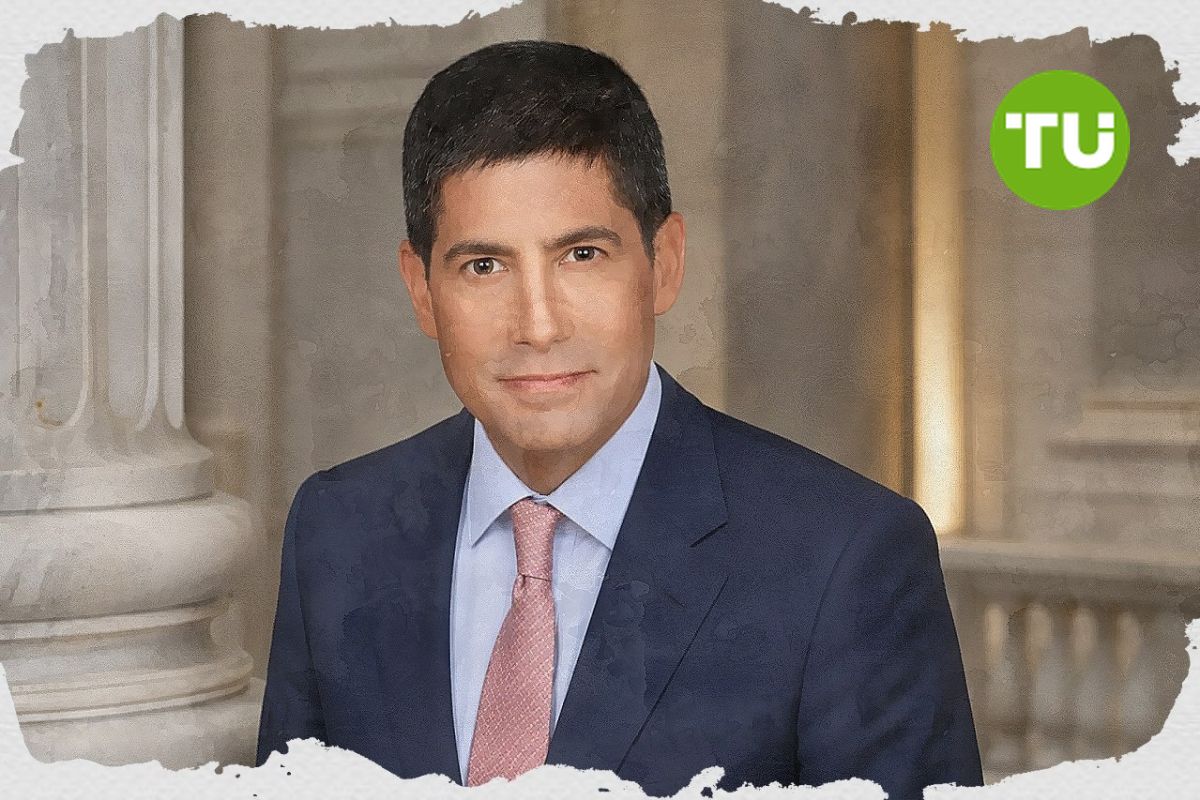
Kohl's recovery plan centers on restoring the value-focused formula that previously helped it gain share across the U.S. retail market. As reported by CNBC, CEO Michael Bender says the company is moving back toward proprietary brands, coupons, Kohl's cash rewards and a more dependable in-store assortment after years of strategy changes that weakened its connection with core customers.Bender says earlier decisions to remove categories such as petites and jewelry, reduce emphasis on promotions and lean more heavily into an off-price approach pushed the company away from what shoppers expected. He says the retailer stopped listening closely enough to customers, contributing to stagnant sales, lower foot traffic and drifting business priorities.
Analysts cited in the report say Kohl's broader challenges have also reflected pressure on the traditional department store model. Chuck Grom of Gordon Haskett says the retailer alienated loyal shoppers by trying to become something closer to an off-price chain, while Sonia Lapinsky of AlixPartners says repeated shifts in merchandise and brand priorities made the in-store experience less predictable for consumers.
Sales momentum faces competitive pressure
Recent results suggest some early improvement, although Kohl's is still working to translate that into sustained growth. In its latest earnings report last month, the company posted its best comparable sales growth in four years, reported revenue of $3 billion that topped Wall Street estimates and projected full-year net sales and comparable sales in a range of down 2% to flat.The market has responded positively to signs of stabilization. Kohl's shares have climbed more than 130% over the past year after having lost nearly 70% of their value over the previous five years, and the stock rose 20% after the latest earnings report as Bender described the quarter as knocking on the door of growth.
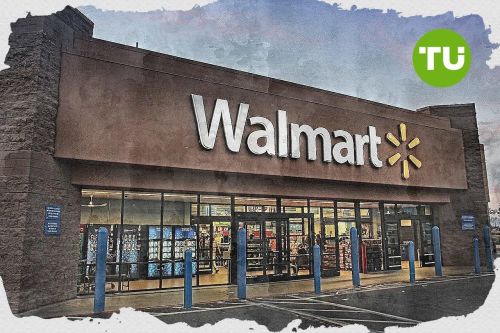
The retailer is also trying to broaden its customer base by attracting younger shoppers through Sephora shop-in-shops, which have historically generated billions of dollars in sales. Still, Bender says that business underperformed in the most recent quarter and declined by a low-single digit percentage, underscoring that Kohl's turnaround remains incomplete as it competes with Walmart, T.J. Maxx, Amazon and other retailers offering strong value propositions.
We previously reported on a broader wave of CEO succession at major U.S. companies, where boards have been turning to long-serving insiders with deep operational experience. That piece highlighted that while execution-focused leaders can tighten performance and improve day-to-day decision-making, investors still judge them on whether they can pair operational discipline with a clear strategic vision as competitive pressures evolve.













-
 Afghanistan
-
 Albania
-
 Algeria
-
 Angola
-
 Argentina
-
 Armenia
-
 Australia
-
 Austria
-
 Azerbaijan
-
 Bahamas
-
 Bahrain
-
 Bangladesh
-
 Belarus
-
 Belgium
-
 Bolivia
-
 Botswana
-
 Brazil
-
 Brunei
-
 Bulgaria
-
 Cambodia
-
 Cameroon
-
 Canada
-
 Chile
Chile
-
 China
China
-
 Colombia
-
 Congo
Congo
-
 Costa Rica
-
 Cote d'Ivoire
-
 Croatia
-
 Cuba
Cuba
-
 Cyprus
-
 Czechia
-
 DR Congo
-
 Denmark
-
 Dominican Republic
-
 Ecuador
-
 Egypt
Egypt
-
 El Salvador
-
 Estonia
-
 Eswatini
-
 Ethiopia
-
 Finland
-
 France
-
 Georgia
-
 Germany
-
 Ghana
Ghana
-
 Greece
-
 Haiti
Haiti
-
 Hong Kong
-
 Hungary
-
 India
India
-
 Indonesia
-
 Iran, Islamic republic
-
 Iraq
Iraq
-
 Ireland
-
 Israel
-
 Italy
Italy
-
 Jamaica
-
 Japan
Japan
-
 Jordan
-
 Kazakhstan
-
 Kenya
Kenya
-
 Korea
Korea
-
 Kuwait
-
 Kyrgyzstan
-
 Laos
Laos
-
 Latvia
-
 Lebanon
-
 Lesotho
-
 Libya
Libya
-
 Lithuania
-
 Luxembourg
-
 Madagascar
-
 Malaysia
-
 Malta
Malta
-
 Mauritius
-
 Mexico
-
 Moldova
-
 Mongolia
-
 Montenegro
-
 Morocco
-
 Mozambique
-
 Myanmar
-
 Namibia
-
 Nepal
Nepal
-
 Netherlands
-
 New Zealand
-
 Nigeria
-
 North Macedonia
-
 Norway
-
 Oman
Oman
-
 Pakistan
-
 Palestine
-
 Panama
-
 Papua New Guinea
-
 Paraguay
-
 Peru
Peru
-
 Philippines
-
 Poland
-
 Portugal
-
 Puerto Rico
-
 Qatar
Qatar
-
 Reunion
-
 Romania
-
 Rwanda
-
 Saudi Arabia
-
 Serbia
-
 Singapore
-
 Slovakia
-
 Slovenia
-
 Somalia
-
 South Africa
-
 Spain
Spain
-
 Sri Lanka
-
 Sweden
-
 Switzerland
-
 Syria
Syria
-
 Taiwan
-
 Tajikistan
-
 Tanzania
-
 Thailand
-
 Trinidad and Tobago
-
 Tunisia
-
 Turkey
-
 UAE
UAE
-
 Uganda
-
 Ukraine
-
 United Kingdom
-
United States
-
 Uruguay
-
 Uzbekistan
-
 Venezuela
-
 Vietnam
-
 Yemen
Yemen
-
 Zambia
-
 Zimbabwe
- Forex
- Crypto











