
Rolls-Royce seeks backing for narrow-body engine return in UK aerospace market
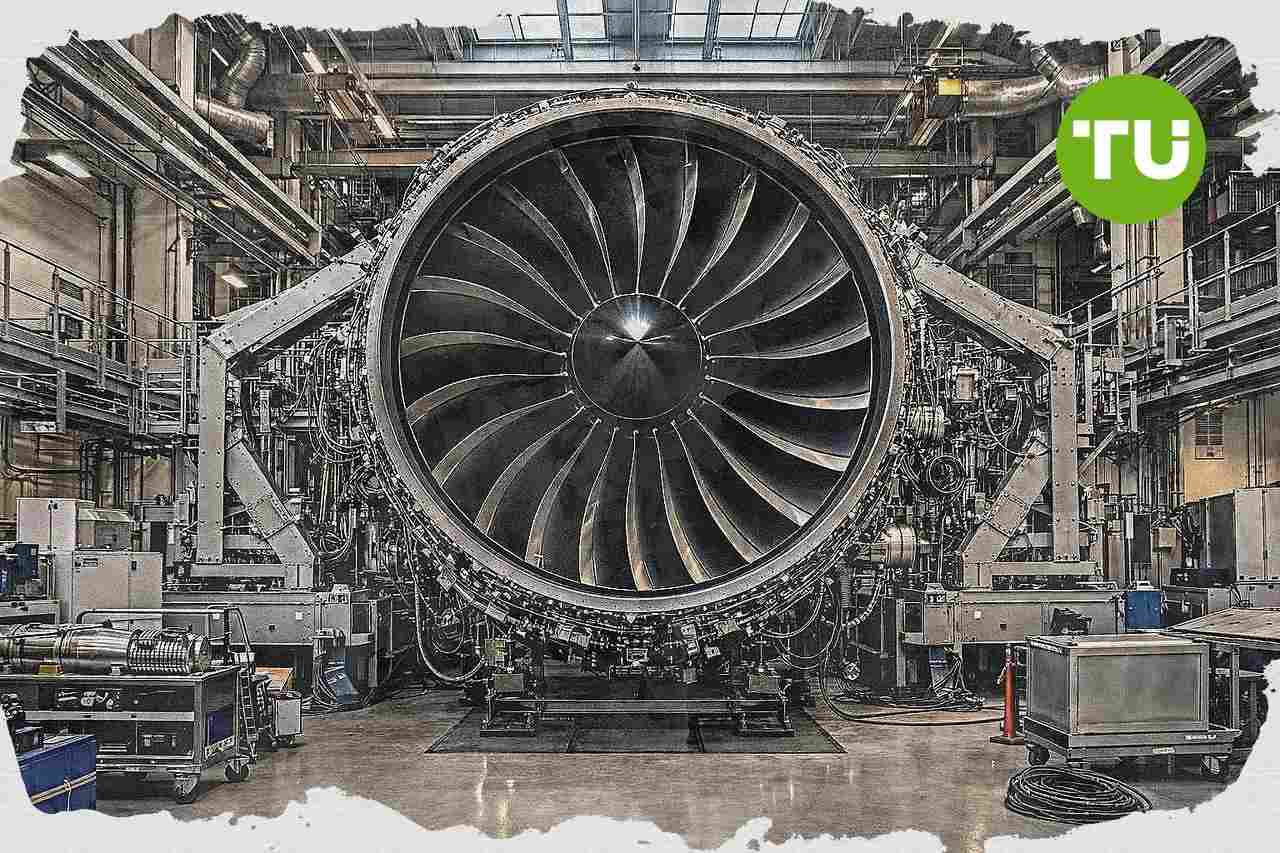
Rolls-Royce is trying to re-enter the narrow-body aircraft engine market as it develops the UltraFan 30 for future successors to the Airbus A320 and Boeing 737 Max families. The effort is central to the group’s growth plans beyond wide-body jets, but it requires billions of pounds in investment, manufacturing support and backing from planemakers and governments.
Highlights
- Rolls-Royce seeks UK state support for its UltraFan 30 narrow-body engine programme, aiming to create 40,000 jobs and £120bn economic impact.
- Rolls-Royce secured €64mn EU funding in March for UltraFan 30 demonstrator development, with ground tests planned for 2028 and entry decisions by Airbus/Boeing expected by 2030.
- UltraFan 30 targets 20 per cent fuel burn improvement and a 15:1 bypass ratio, placing Rolls-Royce in direct competition with CFM International's open-fan prototype for future single-aisle jets.
Funding push and programme timeline
As reported by Financial Times, Rolls-Royce is seeking UK state support for the UltraFan 30 as chief executive Tufan Erginbilgiç pushes to turn the engine from a long-running technology programme into a commercial product for the next generation of single-aisle aircraft.The company says the project could create about 40,000 skilled jobs and generate as much as £120bn for the UK economy over its lifetime. Rolls-Royce has already spent more than £1bn over a decade on UltraFan technologies for narrow-body and wide-body jets, but a new engine programme still needs several billion pounds more.
Executives had hoped to secure an initial commitment in the first half of the year to help develop a demonstrator for the UltraFan 30, but discussions are progressing slowly amid debate over available support from the Aerospace Technology Institute. Rolls-Royce says it continues to have positive discussions, while the company also wins €64mn in March from the EU’s Clean Aviation Joint Undertaking for development and testing of the demonstrator.
Germany could also become part of the funding picture after officials there encouraged the group to consider the country for future investment. Rolls-Royce plans ground tests of a prototype in 2028, while Airbus and Boeing are expected to decide on engine choices around 2030 as they prepare successors to current narrow-body bestsellers by the end of the next decade.
Competition and industrial stakes
Winning a place on future narrow-body jets would return Rolls-Royce to the largest segment in civil aviation, a market it left more than a decade ago and one that offers far greater volume than the wide-body sector where it is currently focused.Rolls-Royce is betting that improved conventional turbofan architecture can deliver the next step in efficiency. The UltraFan 30 is targeting a 20 per cent improvement in fuel burn and a 15:1 bypass ratio, while executives argue that this approach offers a better balance of efficiency, weight, drag, installation and durability than more radical open-fan designs.
That puts the company in direct technological contrast with CFM International, the Safran and GE Aerospace joint venture that is working with Airbus on an open-fan prototype. Analysts say durability and total ownership costs are becoming more important after recent problems with some narrow-body engines, including repair delays and spare-parts shortages that force airlines to ground aircraft.
Rolls-Royce says it would prefer to enter the market with a partner and is in talks with several parties, a step that would help it manage manufacturing scale and share upfront costs. The industrial challenge is significant because long-term narrow-body production rates at Airbus and Boeing could each reach about 100 aircraft a month, making reliable high-volume output as important as technical performance.
In our earlier article on Boeing’s credit outlook upgrade, we noted that improving demand for commercial aircraft and stronger cash generation were helping the manufacturer stabilize its balance sheet after the pandemic shock. We also highlighted that, despite the more positive trajectory, supply-chain constraints and market volatility remained key near-term risks for the aviation industry’s recovery.


Latest Rolls-Royce News






-
 Afghanistan
-
 Albania
-
 Algeria
-
 Angola
-
 Argentina
-
 Armenia
-
 Australia
-
 Austria
-
 Azerbaijan
-
 Bahamas
-
 Bahrain
-
 Bangladesh
-
 Belarus
-
 Belgium
-
 Bolivia
-
 Botswana
-
 Brazil
-
 Brunei
-
 Bulgaria
-
 Cambodia
-
 Cameroon
-
 Canada
-
 Chile
Chile
-
 China
China
-
 Colombia
-
 Congo
Congo
-
 Costa Rica
-
 Cote d'Ivoire
-
 Croatia
-
 Cuba
Cuba
-
 Cyprus
-
 Czechia
-
 DR Congo
-
 Denmark
-
 Dominican Republic
-
 Ecuador
-
 Egypt
Egypt
-
 El Salvador
-
 Estonia
-
 Eswatini
-
 Ethiopia
-
 Finland
-
 France
-
 Georgia
-
 Germany
-
 Ghana
Ghana
-
 Greece
-
 Haiti
Haiti
-
 Hong Kong
-
 Hungary
-
 India
India
-
 Indonesia
-
 Iran, Islamic republic
-
 Iraq
Iraq
-
 Ireland
-
 Israel
-
 Italy
Italy
-
 Jamaica
-
 Japan
Japan
-
 Jordan
-
 Kazakhstan
-
 Kenya
Kenya
-
 Korea
Korea
-
 Kuwait
-
 Kyrgyzstan
-
 Laos
Laos
-
 Latvia
-
 Lebanon
-
 Lesotho
-
 Libya
Libya
-
 Lithuania
-
 Luxembourg
-
 Madagascar
-
 Malaysia
-
 Malta
Malta
-
 Mauritius
-
 Mexico
-
 Moldova
-
 Mongolia
-
 Montenegro
-
 Morocco
-
 Mozambique
-
 Myanmar
-
 Namibia
-
 Nepal
Nepal
-
 Netherlands
-
 New Zealand
-
 Nigeria
-
 North Macedonia
-
 Norway
-
 Oman
Oman
-
 Pakistan
-
 Palestine
-
 Panama
-
 Papua New Guinea
-
 Paraguay
-
 Peru
Peru
-
 Philippines
-
 Poland
-
 Portugal
-
 Puerto Rico
-
 Qatar
Qatar
-
 Reunion
-
 Romania
-
 Rwanda
-
 Saudi Arabia
-
 Serbia
-
 Singapore
-
 Slovakia
-
 Slovenia
-
 Somalia
-
 South Africa
-
 Spain
Spain
-
 Sri Lanka
-
 Sweden
-
 Switzerland
-
 Syria
Syria
-
 Taiwan
-
 Tajikistan
-
 Tanzania
-
 Thailand
-
 Trinidad and Tobago
-
 Tunisia
-
 Turkey
-
 UAE
UAE
-
 Uganda
-
 Ukraine
-
 United Kingdom
-
United States
-
 Uruguay
-
 Uzbekistan
-
 Venezuela
-
 Vietnam
-
 Yemen
Yemen
-
 Zambia
-
 Zimbabwe
- Forex
- Crypto












