
Europe power build-out supports wider air conditioning use
Europe's push to electrify transport and heating is set to leave substantial summer power capacity available, easing concerns that broader air conditioning use would become a major cost burden. While recent heat has exposed grid stress and weather-related supply risks, analysts argue the continent's larger investment challenge remains meeting far higher winter demand.
Highlights
- Goldman Sachs estimates Europe needs $3.5 trillion in electricity system investment for electrification, prioritizing winter capacity while summer demand remains lower.
- Aurora Energy forecasts air conditioning could add 7GW to 8GW to summer peak demand by 2035, requiring minimal new investment beyond current electrification plans.
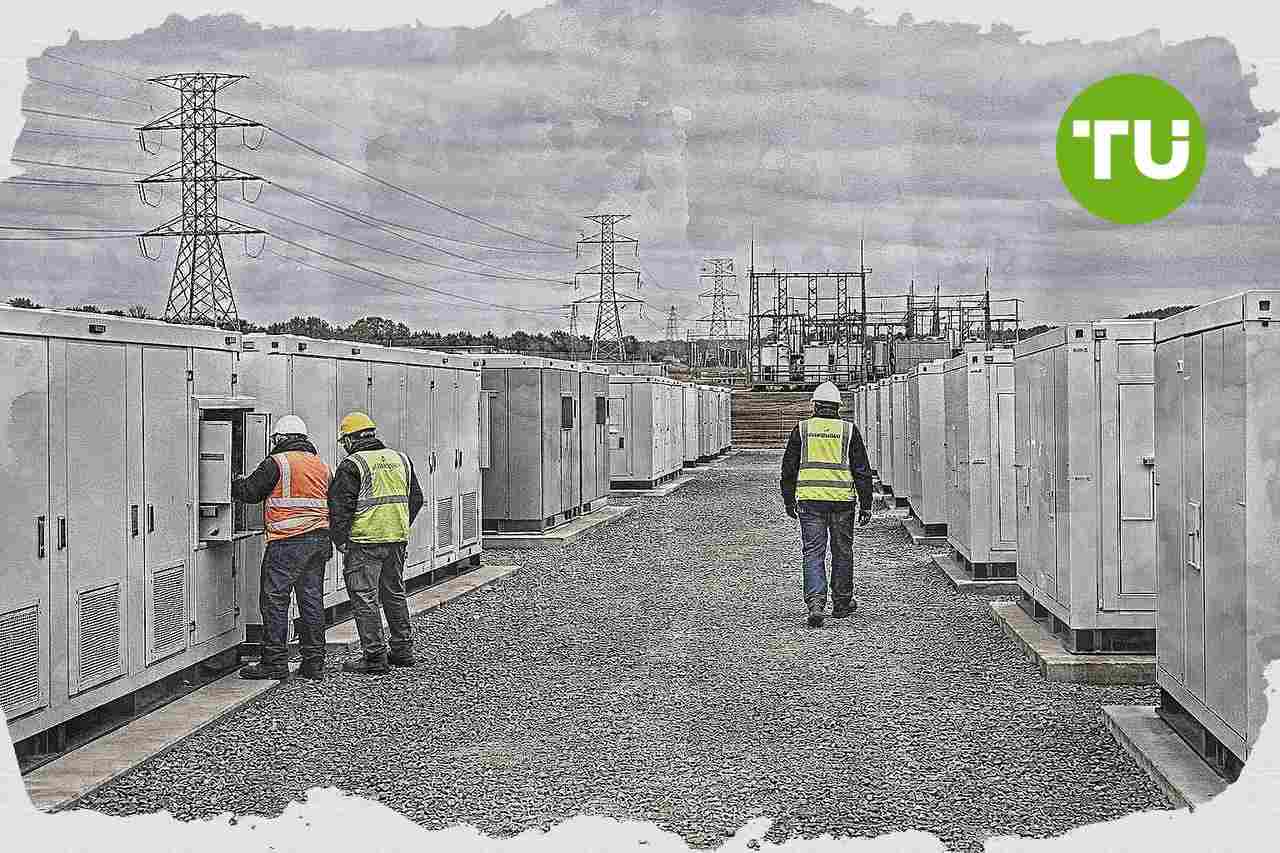
- Battery storage provided 1GW of peak power this week and the UK regulator provisionally approved 16 new long-duration storage projects to enhance grid flexibility.
Summer demand outlook and investment needs
As reported by Financial Times, the case for wider air conditioning use in Europe rests on how the region's clean power system is being designed around winter peaks rather than summer demand. Goldman Sachs estimates the continent must invest $3.5 trillion in its electricity system as it shifts from oil-fuelled cars and gas boilers to electric vehicles and heat pumps, with much of that spending going toward generation and network capacity needed mainly in winter.In the UK, peak electricity demand in winter is expected to rise from a historic maximum of 60GW to more than 100GW, according to modeling by the Energy Transitions Commission. That demand surge comes at a difficult time for renewables because solar output is low, while summer peaks are expected to run about 40% to 50% below winter levels and benefit from stronger solar production.
Aurora Energy estimates air conditioning could add 7GW to 8GW to the summer peak by 2035, but that increase would not require much extra investment beyond plans already needed for electrification. Households could use more electricity for cooling without necessarily facing higher overall costs if utilities spread capital spending across larger sales volumes and if the marginal cost of extra summer power remains low.
Grid flexibility becomes the key constraint
The main complication is not headline summer demand, but the system's vulnerability during periods of extreme weather. In the UK, summer demand peaks at 35GW last week, below last winter's 46GW maximum, yet gas plants report unplanned outages and imported electricity from Europe becomes costlier as French nuclear plants struggle to cool reactors and reduce output.Variable renewable generation adds to that challenge when wind output weakens, whether during winter cold spells or summer heat events. That points to a growing need for flexibility tools as Europe relies more heavily on weather-dependent power sources and faces less predictable operating conditions.
Battery storage and demand response are already helping absorb those pressures. Batteries provide 1GW of peak power this week, demand response schemes are activated to shift household consumption, and the UK's energy regulator has provisionally backed 16 new longer-duration electricity storage projects.
Our earlier article on surging U.S. electricity demand from data centres highlighted warnings from Exelon that supply is not keeping pace, raising the risk of power outages in the north-east and Midwest. It also noted PJM’s projected capacity shortfall and the growing debate over higher customer bills and market rules to fund grid and generation investment.





Latest National Grid News








-
 Afghanistan
-
 Albania
-
 Algeria
-
 Angola
-
 Argentina
-
 Armenia
-
 Australia
-
 Austria
-
 Azerbaijan
-
 Bahamas
-
 Bahrain
-
 Bangladesh
-
 Belarus
-
 Belgium
-
 Bolivia
-
 Botswana
-
 Brazil
-
 Brunei
-
 Bulgaria
-
 Cambodia
-
 Cameroon
-
 Canada
-
 Chile
Chile
-
 China
China
-
 Colombia
-
 Congo
Congo
-
 Costa Rica
-
 Cote d'Ivoire
-
 Croatia
-
 Cuba
Cuba
-
 Cyprus
-
 Czechia
-
 DR Congo
-
 Denmark
-
 Dominican Republic
-
 Ecuador
-
 Egypt
Egypt
-
 El Salvador
-
 Estonia
-
 Eswatini
-
 Ethiopia
-
 Finland
-
 France
-
 Georgia
-
 Germany
-
 Ghana
Ghana
-
 Greece
-
 Haiti
Haiti
-
 Hong Kong
-
 Hungary
-
 India
India
-
 Indonesia
-
 Iran, Islamic republic
-
 Iraq
Iraq
-
 Ireland
-
 Israel
-
 Italy
Italy
-
 Jamaica
-
 Japan
Japan
-
 Jordan
-
 Kazakhstan
-
 Kenya
Kenya
-
 Korea
Korea
-
 Kuwait
-
 Kyrgyzstan
-
 Laos
Laos
-
 Latvia
-
 Lebanon
-
 Lesotho
-
 Libya
Libya
-
 Lithuania
-
 Luxembourg
-
 Madagascar
-
 Malaysia
-
 Malta
Malta
-
 Mauritius
-
 Mexico
-
 Moldova
-
 Mongolia
-
 Montenegro
-
 Morocco
-
 Mozambique
-
 Myanmar
-
 Namibia
-
 Nepal
Nepal
-
 Netherlands
-
 New Zealand
-
 Nigeria
-
 North Macedonia
-
 Norway
-
 Oman
Oman
-
 Pakistan
-
 Palestine
-
 Panama
-
 Papua New Guinea
-
 Paraguay
-
 Peru
Peru
-
 Philippines
-
 Poland
-
 Portugal
-
 Puerto Rico
-
 Qatar
Qatar
-
 Reunion
-
 Romania
-
 Rwanda
-
 Saudi Arabia
-
 Serbia
-
 Singapore
-
 Slovakia
-
 Slovenia
-
 Somalia
-
 South Africa
-
 Spain
Spain
-
 Sri Lanka
-
 Sweden
-
 Switzerland
-
 Syria
Syria
-
 Taiwan
-
 Tajikistan
-
 Tanzania
-
 Thailand
-
 Trinidad and Tobago
-
 Tunisia
-
 Turkey
-
 UAE
UAE
-
 Uganda
-
 Ukraine
-
 United Kingdom
-
United States
-
 Uruguay
-
 Uzbekistan
-
 Venezuela
-
 Vietnam
-
 Yemen
Yemen
-
 Zambia
-
 Zimbabwe
- Forex
- Crypto











