
Labour leadership transition stretches as Starmer exit timetable points to July decision
Britain is facing an unusually extended midterm handover as Labour sets a timetable that could leave Sir Keir Starmer in place for weeks after announcing his resignation. If the contest is uncontested as widely expected, the result is due on July 17, extending the transition to 25 days and delaying the new prime minister’s first appearance in parliament until after the summer recess.
Highlights
- Labour’s national executive set leadership nominations to open on July 9, with a potential new leader declared as late as July 17.
- The transition period would last over two weeks, notably longer than Rishi Sunak’s five-day and Theresa May’s 19-day successions.
- Incoming prime minister may not face MPs until September due to the July 16 Commons recess, creating an unusually long parliamentary gap.
Leadership timetable and party process
As reported by Financial Times, Labour’s national executive has set formal nominations to open on July 9, more than two weeks after Starmer announced he was stepping down, with the nomination stage then running for a further week.If only one candidate secures nomination, there will be no wider party ballot and the outcome will be declared on July 17. That schedule would make the handover notably longer than several recent midterm changes, including Rishi Sunak’s replacement of Liz Truss in five days and Theresa May’s succession to David Cameron in 19 days.
The article argues that British politics has traditionally favoured rapid transfers of power. In the 20th century, the median time between a prime minister’s resignation announcement and a successor formally taking office was one day, although longer contests emerged when internal party ballots or wider membership votes were involved.
Political implications for Labour and Westminster
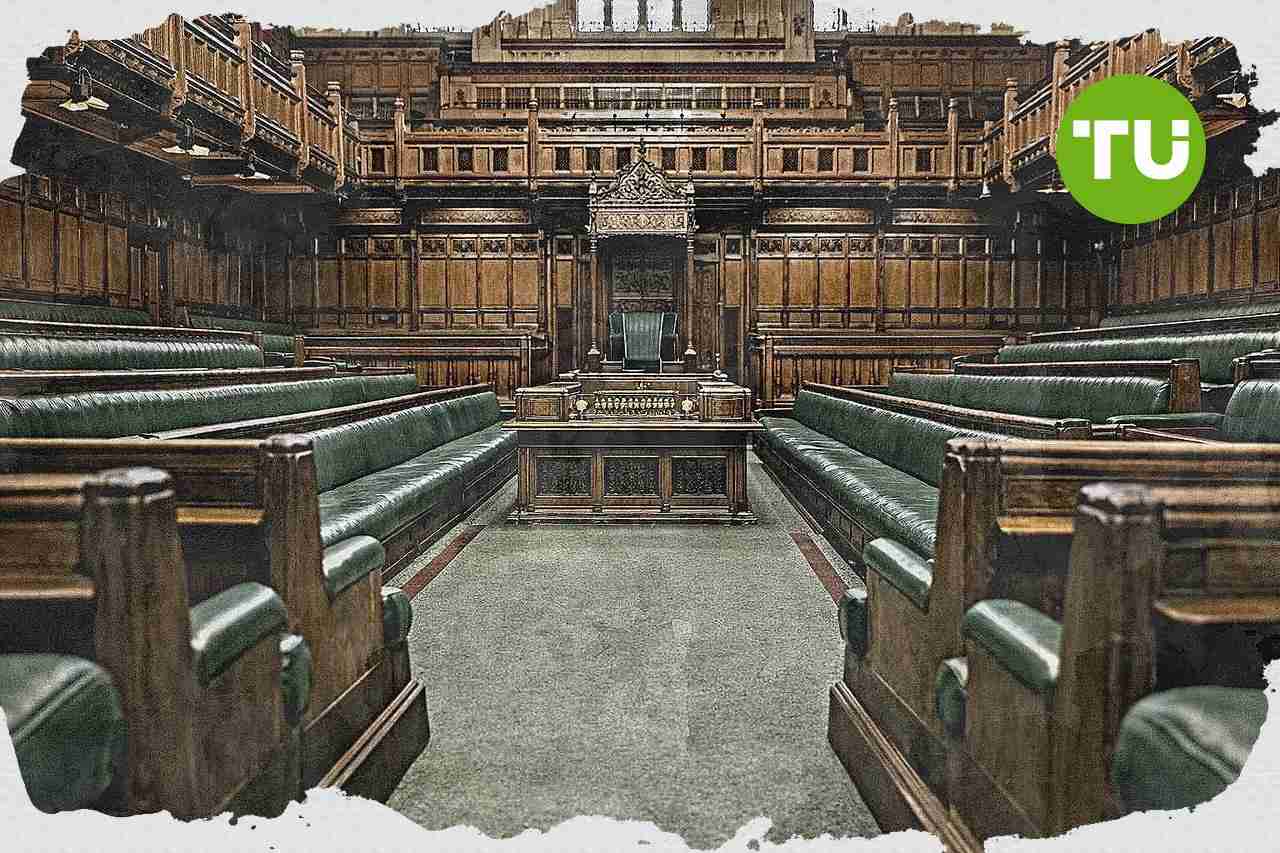
One immediate effect of the slower process is parliamentary timing. The House of Commons goes into recess on July 16 and does not return until September, meaning the incoming prime minister would not face MPs for months if the result comes the following day.The piece says the Burnham camp is widely seen as favouring a longer transition to allow more preparation for government. It also notes, however, that recent history offers little evidence that longer handovers produce stronger premierships, pointing to Boris Johnson and Liz Truss as leaders who had lengthy transition periods but troubled terms in office.
The broader argument is that preparation matters, but delay does not guarantee success. With Andy Burnham portrayed as a willing contender rather than a reluctant recruit, the article concludes that the case for extending the process appears more political than procedural.
In our earlier report on expectations of a first Burnham Budget, we noted that political uncertainty around Andy Burnham’s rise was sharpening fears of early moves to target wealth and assets, potentially as soon as the autumn fiscal cycle. We also highlighted concerns from investors and advisers about added tax complexity and possible market fallout, even as Burnham’s circle signalled interest in a more pro-business, simplified approach.





Latest UK News










-
 Afghanistan
-
 Albania
-
 Algeria
-
 Angola
-
 Argentina
-
 Armenia
-
 Australia
-
 Austria
-
 Azerbaijan
-
 Bahamas
-
 Bahrain
-
 Bangladesh
-
 Belarus
-
 Belgium
-
 Bolivia
-
 Botswana
-
 Brazil
-
 Brunei
-
 Bulgaria
-
 Cambodia
-
 Cameroon
-
 Canada
-
 Chile
Chile
-
 China
China
-
 Colombia
-
 Congo
Congo
-
 Costa Rica
-
 Cote d'Ivoire
-
 Croatia
-
 Cuba
Cuba
-
 Cyprus
-
 Czechia
-
 DR Congo
-
 Denmark
-
 Dominican Republic
-
 Ecuador
-
 Egypt
Egypt
-
 El Salvador
-
 Estonia
-
 Eswatini
-
 Ethiopia
-
 Finland
-
 France
-
 Georgia
-
 Germany
-
 Ghana
Ghana
-
 Greece
-
 Haiti
Haiti
-
 Hong Kong
-
 Hungary
-
 India
India
-
 Indonesia
-
 Iran, Islamic republic
-
 Iraq
Iraq
-
 Ireland
-
 Israel
-
 Italy
Italy
-
 Jamaica
-
 Japan
Japan
-
 Jordan
-
 Kazakhstan
-
 Kenya
Kenya
-
 Korea
Korea
-
 Kuwait
-
 Kyrgyzstan
-
 Laos
Laos
-
 Latvia
-
 Lebanon
-
 Lesotho
-
 Libya
Libya
-
 Lithuania
-
 Luxembourg
-
 Madagascar
-
 Malaysia
-
 Malta
Malta
-
 Mauritius
-
 Mexico
-
 Moldova
-
 Mongolia
-
 Montenegro
-
 Morocco
-
 Mozambique
-
 Myanmar
-
 Namibia
-
 Nepal
Nepal
-
 Netherlands
-
 New Zealand
-
 Nigeria
-
 North Macedonia
-
 Norway
-
 Oman
Oman
-
 Pakistan
-
 Palestine
-
 Panama
-
 Papua New Guinea
-
 Paraguay
-
 Peru
Peru
-
 Philippines
-
 Poland
-
 Portugal
-
 Puerto Rico
-
 Qatar
Qatar
-
 Reunion
-
 Romania
-
 Rwanda
-
 Saudi Arabia
-
 Serbia
-
 Singapore
-
 Slovakia
-
 Slovenia
-
 Somalia
-
 South Africa
-
 Spain
Spain
-
 Sri Lanka
-
 Sweden
-
 Switzerland
-
 Syria
Syria
-
 Taiwan
-
 Tajikistan
-
 Tanzania
-
 Thailand
-
 Trinidad and Tobago
-
 Tunisia
-
 Turkey
-
 UAE
UAE
-
 Uganda
-
 Ukraine
-
 United Kingdom
-
United States
-
 Uruguay
-
 Uzbekistan
-
 Venezuela
-
 Vietnam
-
 Yemen
Yemen
-
 Zambia
-
 Zimbabwe
- Forex
- Crypto











