
U.S.-Iran truce plan supports Hormuz shipping and oil market stability
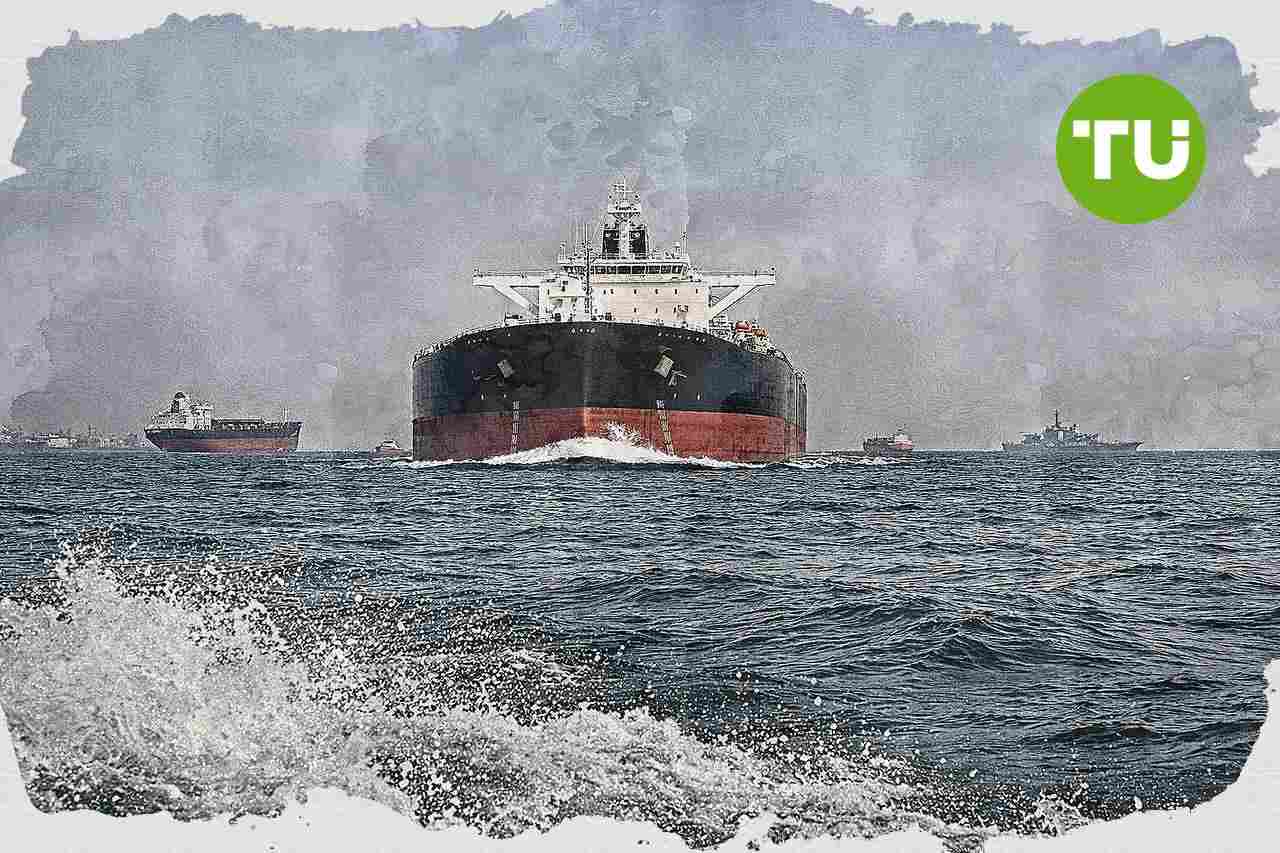
Middle East tensions show signs of easing after Washington says the U.S. and Iran have agreed to halt reciprocal attacks in the Strait of Hormuz. Iran has yet to confirm the pause, but any stand-down could support further talks on the memorandum of understanding signed earlier this month and reduce risks to global energy flows.
Highlights
- U.S. and Iran agree to stand down, allowing vessels free passage through the Strait of Hormuz while technical talks on the memorandum of understanding continue.
- Brent briefly rises in early Asian trading before settling near $72 a barrel as traders gauge the truce's durability and its potential to stabilize oil markets.
- Iran's Revolutionary Guard Corps launches missile and drone strikes at eight U.S. military sites, highlighting the ongoing fragility of the 60-day ceasefire extension.
Ceasefire push after weekend strikes
As reported by the Financial Times, a U.S. official says both sides will stand down for now and vessels can move freely, with technical talks set to continue across all areas of the memorandum of understanding agreed earlier this month.The understanding follows a weekend of military exchanges that raises pressure on both governments to preserve a 60-day ceasefire extension agreed on April 8 while negotiators try to resolve major disputes, including Tehran's nuclear programme. Washington's position suggests it is seeking to stop the latest clashes from escalating into a broader conflict that could undermine the wider peace arrangement.
The recent fighting includes U.S. strikes on Iranian military surveillance infrastructure, communication systems, air defence sites, drone storage facilities and minelayer capabilities. U.S. Central Command says the attacks are retaliation for Iranian strikes on commercial shipping, including the Singapore-flagged container ship Ever Lovely and the Panama-flagged tanker Kiku near the Strait of Hormuz.
Oil and regional security implications
Energy markets react cautiously as traders assess whether the reported deal holds and whether Iran formally confirms a halt to attacks. Brent rises briefly in early Asian trading before trimming gains to nearly $72 a barrel, while U.S. benchmark West Texas Intermediate trades just below $70.The prospect of reduced hostilities in the Strait of Hormuz is significant for crude transport because the waterway remains a critical route for global oil shipments. The reported stand-down also carries political weight in Washington, where lower oil prices ahead of the November midterm elections help President Donald Trump and his Republican Party after criticism that the peace deal secured few major concessions from Tehran.
Iran's Revolutionary Guard Corps says early on Sunday that it carries out missile and drone strikes against eight U.S. military installations in Kuwait and the U.S. Navy's Fifth Fleet in Bahrain, according to IRNA state news agency. That response underlines how fragile the truce remains even as both sides signal that negotiations are still active.
Our earlier report on renewed U.S.-Iran escalation highlighted weekend strikes tied to tensions in the Strait of Hormuz and the resulting jump in crude prices as markets priced in supply risks. It also noted that ceasefire-related negotiations were paused but diplomatic channels remained open, while investors weighed the oil move alongside shifting performance across major U.S. equity indexes.





Latest Brent News









-
 Afghanistan
-
 Albania
-
 Algeria
-
 Angola
-
 Argentina
-
 Armenia
-
 Australia
-
 Austria
-
 Azerbaijan
-
 Bahamas
-
 Bahrain
-
 Bangladesh
-
 Belarus
-
 Belgium
-
 Bolivia
-
 Botswana
-
 Brazil
-
 Brunei
-
 Bulgaria
-
 Cambodia
-
 Cameroon
-
 Canada
-
 Chile
Chile
-
 China
China
-
 Colombia
-
 Congo
Congo
-
 Costa Rica
-
 Cote d'Ivoire
-
 Croatia
-
 Cuba
Cuba
-
 Cyprus
-
 Czechia
-
 DR Congo
-
 Denmark
-
 Dominican Republic
-
 Ecuador
-
 Egypt
Egypt
-
 El Salvador
-
 Estonia
-
 Eswatini
-
 Ethiopia
-
 Finland
-
 France
-
 Georgia
-
 Germany
-
 Ghana
Ghana
-
 Greece
-
 Haiti
Haiti
-
 Hong Kong
-
 Hungary
-
 India
India
-
 Indonesia
-
 Iran, Islamic republic
-
 Iraq
Iraq
-
 Ireland
-
 Israel
-
 Italy
Italy
-
 Jamaica
-
 Japan
Japan
-
 Jordan
-
 Kazakhstan
-
 Kenya
Kenya
-
 Korea
Korea
-
 Kuwait
-
 Kyrgyzstan
-
 Laos
Laos
-
 Latvia
-
 Lebanon
-
 Lesotho
-
 Libya
Libya
-
 Lithuania
-
 Luxembourg
-
 Madagascar
-
 Malaysia
-
 Malta
Malta
-
 Mauritius
-
 Mexico
-
 Moldova
-
 Mongolia
-
 Montenegro
-
 Morocco
-
 Mozambique
-
 Myanmar
-
 Namibia
-
 Nepal
Nepal
-
 Netherlands
-
 New Zealand
-
 Nigeria
-
 North Macedonia
-
 Norway
-
 Oman
Oman
-
 Pakistan
-
 Palestine
-
 Panama
-
 Papua New Guinea
-
 Paraguay
-
 Peru
Peru
-
 Philippines
-
 Poland
-
 Portugal
-
 Puerto Rico
-
 Qatar
Qatar
-
 Reunion
-
 Romania
-
 Rwanda
-
 Saudi Arabia
-
 Serbia
-
 Singapore
-
 Slovakia
-
 Slovenia
-
 Somalia
-
 South Africa
-
 Spain
Spain
-
 Sri Lanka
-
 Sweden
-
 Switzerland
-
 Syria
Syria
-
 Taiwan
-
 Tajikistan
-
 Tanzania
-
 Thailand
-
 Trinidad and Tobago
-
 Tunisia
-
 Turkey
-
 UAE
UAE
-
 Uganda
-
 Ukraine
-
 United Kingdom
-
United States
-
 Uruguay
-
 Uzbekistan
-
 Venezuela
-
 Vietnam
-
 Yemen
Yemen
-
 Zambia
-
 Zimbabwe
- Forex
- Crypto











