
House Homeland Security panel to hold northern border security hearing
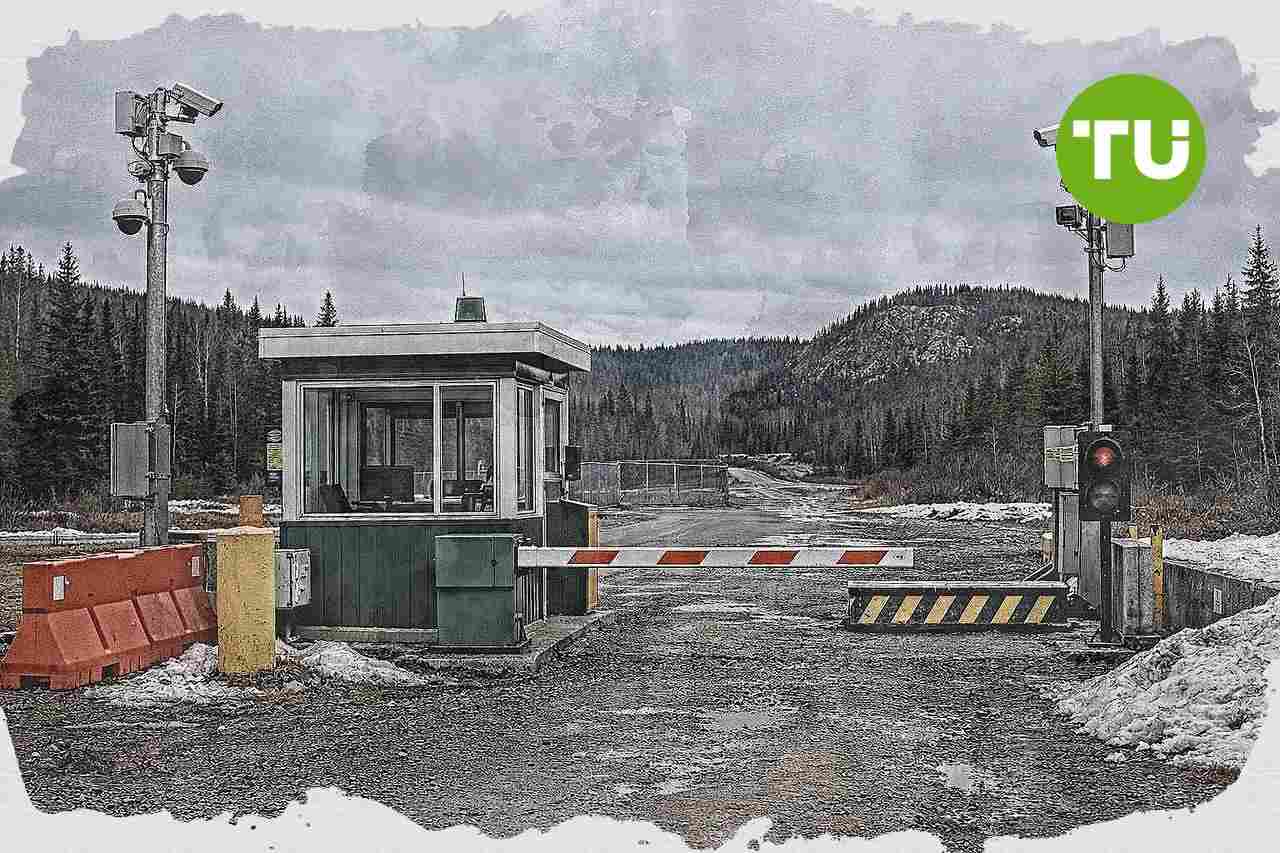
Congressional scrutiny of northern border operations is intensifying as House Homeland Security subcommittee leaders schedule a joint hearing on threats across the U.S.-Canada frontier. The session on June 30 is set to focus on staffing, technology and infrastructure gaps affecting enforcement across nearly 4,000 miles of border terrain.
Highlights
- House Homeland Security Subcommittees will hold a joint hearing on June 30, 2026, to assess threats and challenges at the U.S.-Canada northern border.
- Key witnesses from U.S. Customs and Border Protection, Homeland Security Investigations, and the Government Accountability Office will testify on operational gaps in border security.
- The Secure America Act passed in June 2026 provides full funding for Immigration and Customs Enforcement and Customs and Border Protection through fiscal 2029, with additional border barrier and technology funds from 2025 legislation.
Hearing agenda and witness lineup
As announced by the House Committee on Homeland Security, Subcommittee on Border Security and Enforcement Chairman Michael Guest and Subcommittee on Counterterrorism and Intelligence Chairman August Pfluger are holding a joint hearing titled, "Northern Exposure: Assessing the Evolving Threat Landscape at America’s Northern Border." The hearing is scheduled for Tuesday, June 30, 2026, at 2:00 p.m. EDT in the 310 Cannon House Office Building.The hearing is set to examine security challenges tied to the northern border’s vast geography, remote terrain and persistent gaps in personnel, technology and infrastructure. It will include testimony from Jason Schneider, acting chief of U.S. Border Patrol at U.S. Customs and Border Protection, Chris Holtzer, executive director of operations in the Office of Field Operations at U.S. Customs and Border Protection, Michael J. Krol, assistant director for domestic operations at Homeland Security Investigations within U.S. Immigration and Customs Enforcement, and Heather MacCleod, director for homeland security and justice at the Government Accountability Office.
The committee says the hearing will be livestreamed on YouTube and will remain open to the public and press, with advance RSVP required for congressionally credentialed media. Witness testimony is due to be added separately.
Operational and funding implications
The contiguous U.S.-Canada border is the longest shared land border in the world and runs nearly 4,000 miles, with 13 U.S. states along the frontier divided into eight U.S. Border Patrol sectors. According to the committee, those sectors face varied operating conditions, including maritime coverage on the Great Lakes, dense forests, mountain ranges and severe winter weather that can push temperatures below zero.The hearing also comes after House Republicans advanced border-related funding measures in 2025 and 2026. The committee says the Secure America Act, passed in June 2026 after DHS shutdowns and passage of the fiscal 2026 DHS appropriations bill, is intended to fully fund Immigration and Customs Enforcement and Customs and Border Protection for the next three fiscal years, while budget reconciliation measures in the One Big Beautiful Bill Act signed in July 2025 included funding for border barriers, workforce expansion and security technology.
Great Lakes fish-waste reduction initiatives were the focus of our earlier coverage, looking at how processors are turning fish skins, bones and scraps into marketable products such as pet treats, leather and fertiliser. We noted that while the pledge-backed model is helping sustainability efforts and opening new revenue streams for lakeside communities, scaling into higher-value uses would require more investment and coordination across the region.


Latest FinCEN News







-
 Afghanistan
-
 Albania
-
 Algeria
-
 Angola
-
 Argentina
-
 Armenia
-
 Australia
-
 Austria
-
 Azerbaijan
-
 Bahamas
-
 Bahrain
-
 Bangladesh
-
 Belarus
-
 Belgium
-
 Bolivia
-
 Botswana
-
 Brazil
-
 Brunei
-
 Bulgaria
-
 Cambodia
-
 Cameroon
-
 Canada
-
 Chile
Chile
-
 China
China
-
 Colombia
-
 Congo
Congo
-
 Costa Rica
-
 Cote d'Ivoire
-
 Croatia
-
 Cuba
Cuba
-
 Cyprus
-
 Czechia
-
 DR Congo
-
 Denmark
-
 Dominican Republic
-
 Ecuador
-
 Egypt
Egypt
-
 El Salvador
-
 Estonia
-
 Eswatini
-
 Ethiopia
-
 Finland
-
 France
-
 Georgia
-
 Germany
-
 Ghana
Ghana
-
 Greece
-
 Haiti
Haiti
-
 Hong Kong
-
 Hungary
-
 India
India
-
 Indonesia
-
 Iran, Islamic republic
-
 Iraq
Iraq
-
 Ireland
-
 Israel
-
 Italy
Italy
-
 Jamaica
-
 Japan
Japan
-
 Jordan
-
 Kazakhstan
-
 Kenya
Kenya
-
 Korea
Korea
-
 Kuwait
-
 Kyrgyzstan
-
 Laos
Laos
-
 Latvia
-
 Lebanon
-
 Lesotho
-
 Libya
Libya
-
 Lithuania
-
 Luxembourg
-
 Madagascar
-
 Malaysia
-
 Malta
Malta
-
 Mauritius
-
 Mexico
-
 Moldova
-
 Mongolia
-
 Montenegro
-
 Morocco
-
 Mozambique
-
 Myanmar
-
 Namibia
-
 Nepal
Nepal
-
 Netherlands
-
 New Zealand
-
 Nigeria
-
 North Macedonia
-
 Norway
-
 Oman
Oman
-
 Pakistan
-
 Palestine
-
 Panama
-
 Papua New Guinea
-
 Paraguay
-
 Peru
Peru
-
 Philippines
-
 Poland
-
 Portugal
-
 Puerto Rico
-
 Qatar
Qatar
-
 Reunion
-
 Romania
-
 Rwanda
-
 Saudi Arabia
-
 Serbia
-
 Singapore
-
 Slovakia
-
 Slovenia
-
 Somalia
-
 South Africa
-
 Spain
Spain
-
 Sri Lanka
-
 Sweden
-
 Switzerland
-
 Syria
Syria
-
 Taiwan
-
 Tajikistan
-
 Tanzania
-
 Thailand
-
 Trinidad and Tobago
-
 Tunisia
-
 Turkey
-
 UAE
UAE
-
 Uganda
-
 Ukraine
-
 United Kingdom
-
United States
-
 Uruguay
-
 Uzbekistan
-
 Venezuela
-
 Vietnam
-
 Yemen
Yemen
-
 Zambia
-
 Zimbabwe
- Forex
- Crypto












