
BT nears cash generation turning point in UK telecoms overhaul
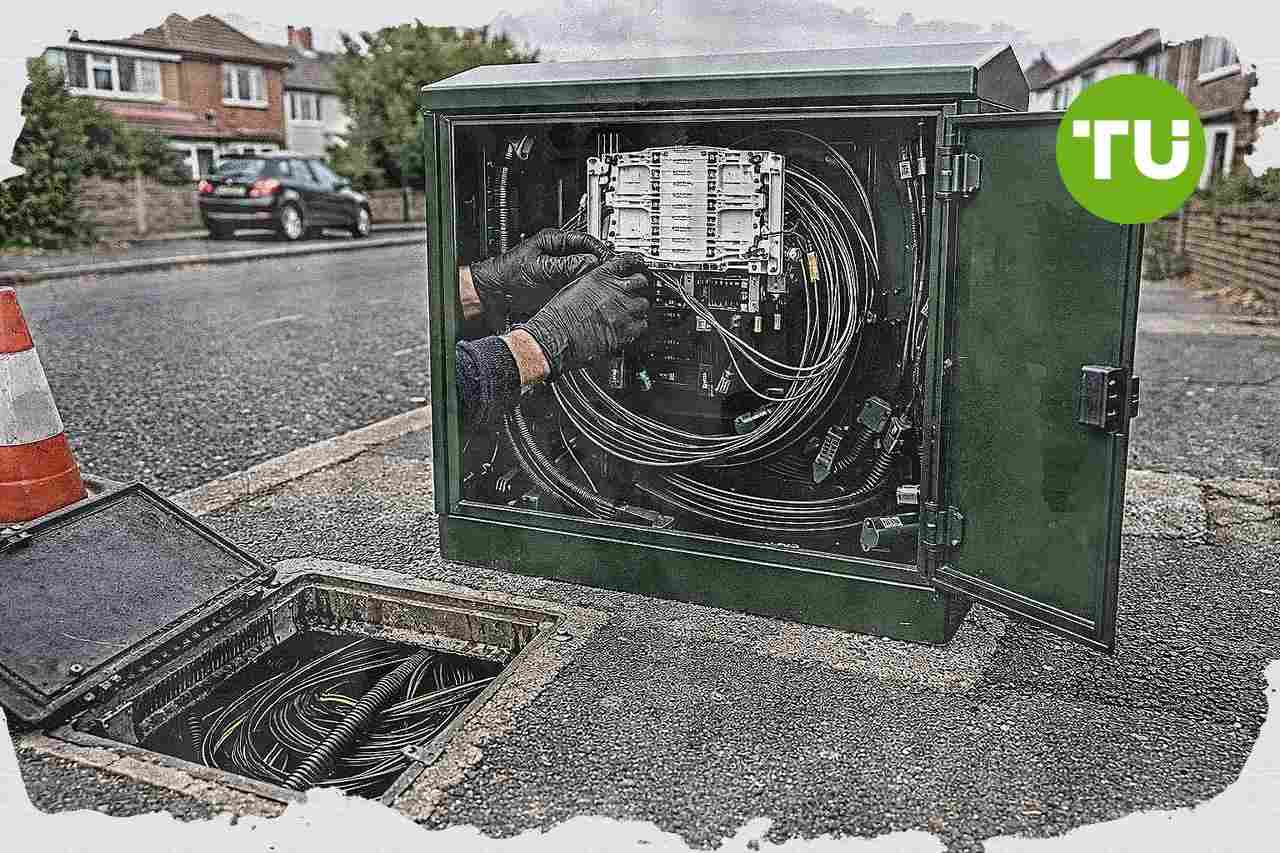
BT is moving into the final phase of a years-long overhaul as its focus narrows to the UK market and its heavy fibre investment programme approaches completion. The shift is improving the telecoms group's operating position, with consumer subscriber growth returning and capital spending set to decline from this year.
Highlights
- BT signed a joint venture with Verizon to combine international operations, intensifying its focus on the domestic UK market after major network investments.
- Net debt rose to 20 billion pounds as cash flow more than halved over the past decade, but subscriber growth has resumed for the first time in eight years.
- BT raised its cost-saving target to 3.7 billion pounds by 2030, expects capex to fall to 3.7 billion pounds, and annual free cash flow to reach 2.8 billion pounds by decade's end.
UK refocus and network build-out
As reported by Financial Times, BT’s latest strategic move is Monday’s deal to combine its international operations in a joint venture with Verizon, extending a broader push to concentrate on its domestic business.That repositioning follows a major investment cycle that has reshaped BT’s UK network since 2021, with full fibre rolled out to more than two-thirds of the UK. The programme has helped put pressure on alternative network providers, although it has also come with a financial cost, pushing net debt up to 20 billion pounds as cash flow more than halved over the past decade.
BT’s competitive position is now showing signs of improvement. Subscriber numbers across EE, broadband, mobile and television are growing again for the first time in eight years, while losses on the legacy copper network are expected to ease significantly by 2030, based on Visible Alpha estimates.
Lower costs support free cash flow outlook
The company is also entering a period of lower operating and investment demands. BT has raised its cost-saving target to 3.7 billion pounds by 2030 from 3 billion pounds, and fibre networks are cheaper to run than copper partly because they generate fewer faults.Goldman Sachs figures cited in the analysis show network faults falling from about 4.5 million in 2021 to roughly 2.8 million in 2025 as fibre coverage expands. With the build-out close to completion, capital expenditure, which peaked at 5.2 billion pounds, is set to start declining from this year.
Visible Alpha consensus expects EBITDA to reach 8.5 billion pounds by the end of the decade, while capex falls to 3.7 billion pounds by 2030. UBS estimates a further 2 billion pounds of cash could go to taxes, leases and interest costs in 2030, leaving BT potentially generating about 2.8 billion pounds in annual free cash flow by the end of the decade, roughly 90% more than last year.
In our earlier coverage of Andy Burnham’s devolution agenda, we looked at his plan to shift decision-making away from Westminster and closer to local authorities, arguing it could improve responsiveness and speed of execution. We also noted how similar decentralisation drives in the private sector are often framed as a way to cut bureaucracy, though the key test remains whether leaders can deliver tangible results without adding cost or confusion.












-
 Afghanistan
-
 Albania
-
 Algeria
-
 Angola
-
 Argentina
-
 Armenia
-
 Australia
-
 Austria
-
 Azerbaijan
-
 Bahamas
-
 Bahrain
-
 Bangladesh
-
 Belarus
-
 Belgium
-
 Bolivia
-
 Botswana
-
 Brazil
-
 Brunei
-
 Bulgaria
-
 Cambodia
-
 Cameroon
-
 Canada
-
 Chile
Chile
-
 China
China
-
 Colombia
-
 Congo
Congo
-
 Costa Rica
-
 Cote d'Ivoire
-
 Croatia
-
 Cuba
Cuba
-
 Cyprus
-
 Czechia
-
 DR Congo
-
 Denmark
-
 Dominican Republic
-
 Ecuador
-
 Egypt
Egypt
-
 El Salvador
-
 Estonia
-
 Eswatini
-
 Ethiopia
-
 Finland
-
 France
-
 Georgia
-
 Germany
-
 Ghana
Ghana
-
 Greece
-
 Haiti
Haiti
-
 Hong Kong
-
 Hungary
-
 India
India
-
 Indonesia
-
 Iran, Islamic republic
-
 Iraq
Iraq
-
 Ireland
-
 Israel
-
 Italy
Italy
-
 Jamaica
-
 Japan
Japan
-
 Jordan
-
 Kazakhstan
-
 Kenya
Kenya
-
 Korea
Korea
-
 Kuwait
-
 Kyrgyzstan
-
 Laos
Laos
-
 Latvia
-
 Lebanon
-
 Lesotho
-
 Libya
Libya
-
 Lithuania
-
 Luxembourg
-
 Madagascar
-
 Malaysia
-
 Malta
Malta
-
 Mauritius
-
 Mexico
-
 Moldova
-
 Mongolia
-
 Montenegro
-
 Morocco
-
 Mozambique
-
 Myanmar
-
 Namibia
-
 Nepal
Nepal
-
 Netherlands
-
 New Zealand
-
 Nigeria
-
 North Macedonia
-
 Norway
-
 Oman
Oman
-
 Pakistan
-
 Palestine
-
 Panama
-
 Papua New Guinea
-
 Paraguay
-
 Peru
Peru
-
 Philippines
-
 Poland
-
 Portugal
-
 Puerto Rico
-
 Qatar
Qatar
-
 Reunion
-
 Romania
-
 Rwanda
-
 Saudi Arabia
-
 Serbia
-
 Singapore
-
 Slovakia
-
 Slovenia
-
 Somalia
-
 South Africa
-
 Spain
Spain
-
 Sri Lanka
-
 Sweden
-
 Switzerland
-
 Syria
Syria
-
 Taiwan
-
 Tajikistan
-
 Tanzania
-
 Thailand
-
 Trinidad and Tobago
-
 Tunisia
-
 Turkey
-
 UAE
UAE
-
 Uganda
-
 Ukraine
-
 United Kingdom
-
United States
-
 Uruguay
-
 Uzbekistan
-
 Venezuela
-
 Vietnam
-
 Yemen
Yemen
-
 Zambia
-
 Zimbabwe
- Forex
- Crypto











