
U.S. auto sector faces USMCA review risk as extension deadline nears
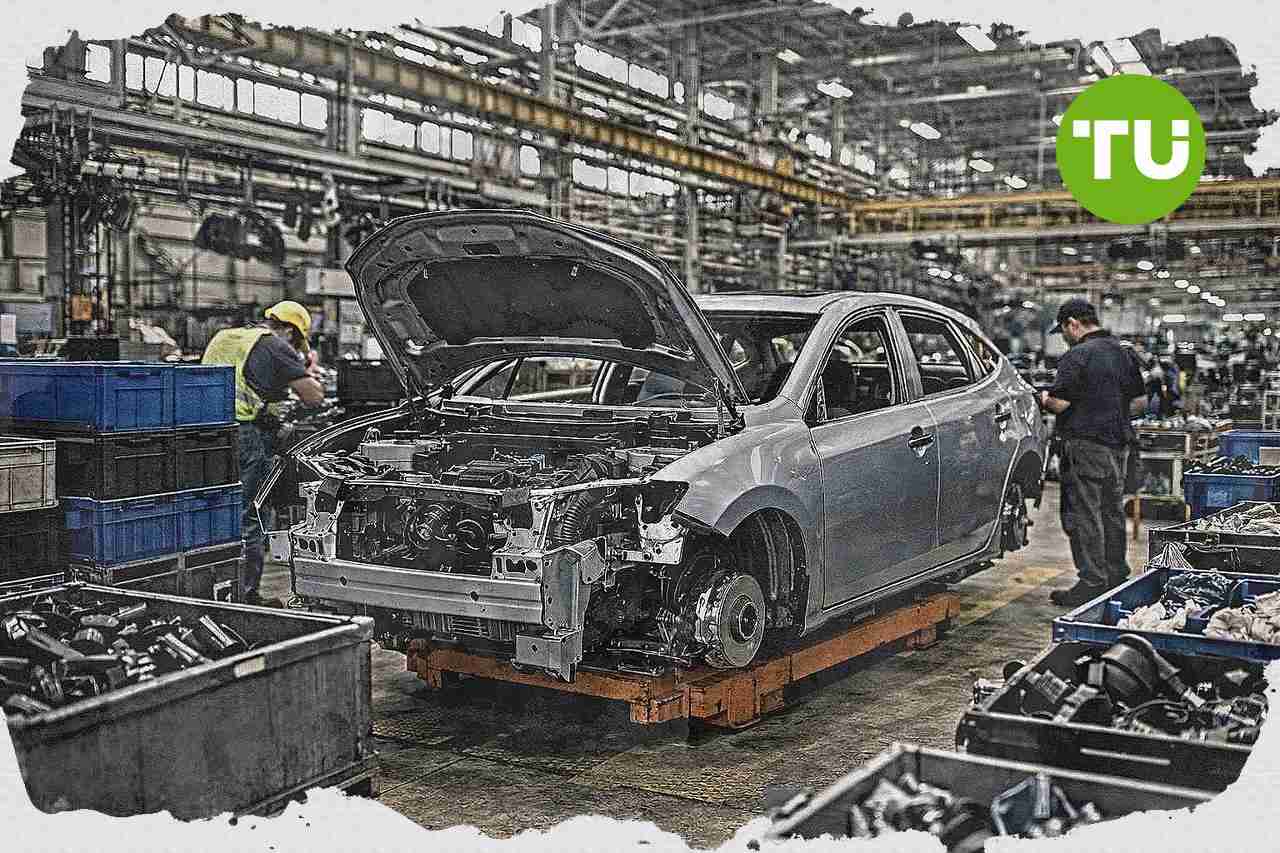
North American carmakers are approaching a new trade inflection point as the U.S., Mexico and Canada are not expected to extend the USMCA pact by Wednesday. The missed deadline shifts the agreement into annual review talks and raises the prospect of a prolonged negotiation process, or eventual expiry in 2036 if no agreement is reached.
Highlights
- USMCA is unlikely to secure a 16-year extension by Wednesday, triggering annual reviews and elevating uncertainty for the $2 trillion North American trade pact.
- The Trump administration seeks to raise auto rules of origin from 75% to 82%, including 50% U.S. value, which could require billions in new onshoring and disrupt integrated supply chains.
- Industry groups warn that failure to preserve USMCA's trilateral structure risks splintering North American auto trade and undermining prior compliance investments by automakers.
Trade review raises investment and sourcing concerns
As first reported by CNBC, the United States-Mexico-Canada Agreement is unlikely to secure a 16-year extension by Wednesday, moving the pact into an annual review process instead. The trade framework, created in 2020 to replace NAFTA, governs about $2 trillion a year in goods and services across the three countries and is central to the region's automotive supply chain.The auto industry accounts for about 18% of U.S. trade with Canada and Mexico, making it one of the most exposed sectors in the review. Industry groups and analysts warn that reopening the pact could deepen uncertainty around investment, jobs and production planning, especially as manufacturers are already dealing with tariff changes, regulatory shifts and earlier supply chain disruptions.
U.S. officials have said they do not plan to extend the deal on its current terms, while U.S. Trade Representative Jamieson Greer said in May that Washington wants stronger North American rules of origin that increase U.S. content in vehicles and parts. Analysts say the talks are becoming more difficult because public discussion from the Trump administration also spans immigration, crime and other non-trade issues, potentially lengthening negotiations.
Automotive trade groups in the U.S. have urged Washington to preserve USMCA as a trilateral agreement that reinforces North American trade rather than splintering it. In a May 7 letter to Greer, the organizations said companies have already spent billions of dollars to comply with current standards and argued that many automakers are already increasing investment in the U.S.
Rules of origin emerge as key auto flashpoint
One of the biggest issues for automakers is the agreement's rules of origin, which determine where a product comes from and whether it qualifies for lower tariffs or duty-free treatment. North America's auto industry has built highly integrated cross-border production networks since NAFTA began in 1994, with parts and vehicles often moving between the U.S., Canada and Mexico before final assembly.USMCA currently requires 75% regional value content for passenger vehicles and light trucks to come from North America. The Trump administration reportedly wants that threshold raised to 82%, with 50% of the value produced in the U.S., a change that would also require companies to distinguish between parts made in the U.S. and those made in Canada.
Industry advisers say that shift could be costly and difficult to implement because many manufacturers do not yet have systems designed for that level of separation. Executives have said increasing U.S. content enough to meet tougher standards would take years and billions of dollars in onshoring investment, while some also question whether U.S. capacity is sufficient to process the necessary parts and raw materials.
Despite the risks, some industry figures in Canada still expect progress later this year. Flavio Volpe, head of Canada's Automotive Parts Manufacturers' Association, told CNBC he remains optimistic that an agreement can be reached by fall, even as automakers prepare for a potentially uneven and expensive negotiation path.
Our earlier coverage of the USMCA renewal deadline explained that a failure to secure a clean extension could keep the pact in force but push it into mandatory annual reviews, prolonging uncertainty for businesses across North America. We also noted that while repeated reviews could raise costs and complicate long-term supply chain and investment planning, USMCA-qualified trade has remained exempt from recent tariff moves, limiting immediate disruption.





Latest Volkswagen News






-
 Afghanistan
-
 Albania
-
 Algeria
-
 Angola
-
 Argentina
-
 Armenia
-
 Australia
-
 Austria
-
 Azerbaijan
-
 Bahamas
-
 Bahrain
-
 Bangladesh
-
 Belarus
-
 Belgium
-
 Bolivia
-
 Botswana
-
 Brazil
-
 Brunei
-
 Bulgaria
-
 Cambodia
-
 Cameroon
-
 Canada
-
 Chile
Chile
-
 China
China
-
 Colombia
-
 Congo
Congo
-
 Costa Rica
-
 Cote d'Ivoire
-
 Croatia
-
 Cuba
Cuba
-
 Cyprus
-
 Czechia
-
 DR Congo
-
 Denmark
-
 Dominican Republic
-
 Ecuador
-
 Egypt
Egypt
-
 El Salvador
-
 Estonia
-
 Eswatini
-
 Ethiopia
-
 Finland
-
 France
-
 Georgia
-
 Germany
-
 Ghana
Ghana
-
 Greece
-
 Haiti
Haiti
-
 Hong Kong
-
 Hungary
-
 India
India
-
 Indonesia
-
 Iran, Islamic republic
-
 Iraq
Iraq
-
 Ireland
-
 Israel
-
 Italy
Italy
-
 Jamaica
-
 Japan
Japan
-
 Jordan
-
 Kazakhstan
-
 Kenya
Kenya
-
 Korea
Korea
-
 Kuwait
-
 Kyrgyzstan
-
 Laos
Laos
-
 Latvia
-
 Lebanon
-
 Lesotho
-
 Libya
Libya
-
 Lithuania
-
 Luxembourg
-
 Madagascar
-
 Malaysia
-
 Malta
Malta
-
 Mauritius
-
 Mexico
-
 Moldova
-
 Mongolia
-
 Montenegro
-
 Morocco
-
 Mozambique
-
 Myanmar
-
 Namibia
-
 Nepal
Nepal
-
 Netherlands
-
 New Zealand
-
 Nigeria
-
 North Macedonia
-
 Norway
-
 Oman
Oman
-
 Pakistan
-
 Palestine
-
 Panama
-
 Papua New Guinea
-
 Paraguay
-
 Peru
Peru
-
 Philippines
-
 Poland
-
 Portugal
-
 Puerto Rico
-
 Qatar
Qatar
-
 Reunion
-
 Romania
-
 Rwanda
-
 Saudi Arabia
-
 Serbia
-
 Singapore
-
 Slovakia
-
 Slovenia
-
 Somalia
-
 South Africa
-
 Spain
Spain
-
 Sri Lanka
-
 Sweden
-
 Switzerland
-
 Syria
Syria
-
 Taiwan
-
 Tajikistan
-
 Tanzania
-
 Thailand
-
 Trinidad and Tobago
-
 Tunisia
-
 Turkey
-
 UAE
UAE
-
 Uganda
-
 Ukraine
-
 United Kingdom
-
United States
-
 Uruguay
-
 Uzbekistan
-
 Venezuela
-
 Vietnam
-
 Yemen
Yemen
-
 Zambia
-
 Zimbabwe
- Forex
- Crypto











