
London councils face rising temporary housing costs as homelessness crisis deepens
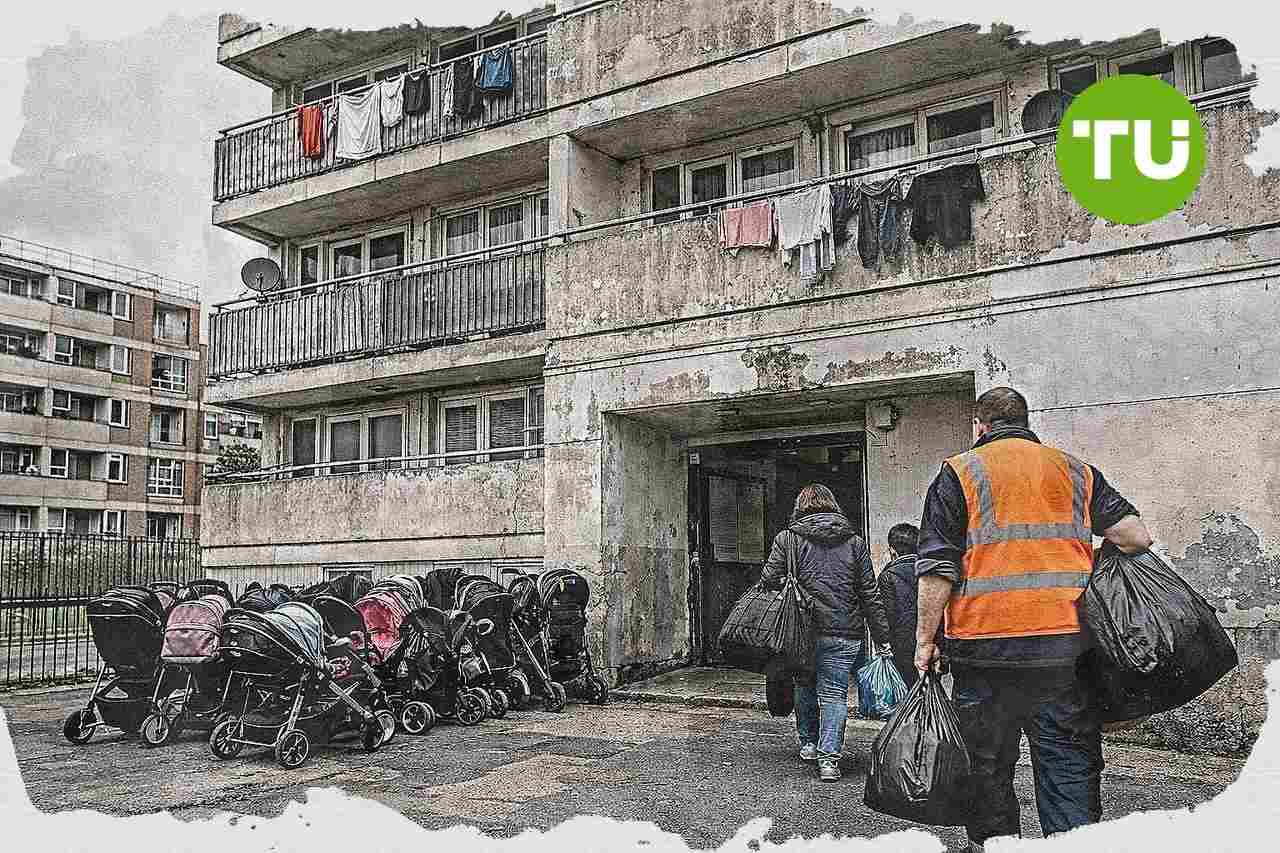
London boroughs are spending heavily on temporary housing as they struggle to meet legal duties to accommodate homeless households in an increasingly strained rental market. The pressure is diverting money from prevention and other local services, while some private landlords and intermediaries benefit from higher nightly rates funded by public budgets.
Highlights
- London councils are collectively spending about £5 million daily on temporary accommodation as emergency housing demand outpaces supply and nightly rates rise.
- Newham council projects temporary accommodation costs will consume a third of its budget by 2027-28, its greatest financial and operational risk.
- Tower Hamlets estimates homelessness costs will exceed budget by £23.2 million in 2025-26, surpassing adult social care overspend, while housing benefits remain pegged to 2011 rates.
Escalating costs in temporary housing
As reported by Financial Times, councils across London are collectively spending about £5 million a day on temporary accommodation, often at high nightly rates, as demand for emergency housing continues to outstrip supply.Some boroughs are taking increasingly costly measures to secure units. Westminster City council, for example, is buying a block of private flats to house homeless residents, a move that indirectly displaces existing tenants. Before the government banned no-fault evictions, landlord Asif Aziz’s Criterion Capital had planned to remove most private tenants and shift hundreds of flats into temporary accommodation that could be rented to local councils for higher returns.
The broader market is also drawing in estate agencies that arrange temporary accommodation deals between landlords and boroughs, with millions of pounds in public money flowing through the system. In some cases, councils are even repurposing care homes to expand temporary housing capacity.
Budget strain and risks for local services
The financial burden is growing as homelessness rises and councils lose leverage in the market. Government data show that families with children commonly spend between two and five years in temporary accommodation, even though such housing is intended as a short-term stopgap until a settled home becomes available.According to London Councils, one in every 21 children in the capital is growing up in temporary accommodation, much of it in substandard condition. Net spending on temporary accommodation has almost doubled over the past two years, and Newham council projects that these costs alone will consume a third of its total budget by 2027-28, which it describes as its single greatest financial and operational risk.
Tower Hamlets said in its March quarterly budget report that homelessness is expected to be its biggest source of overspending in 2025-26, with expenditure set to exceed budget by £23.2 million, slightly more than the overspend in adult social care. Councils are also squeezed because the housing benefit subsidy they can recover is still based on Local Housing Allowance rates from 2011, even as market rents continue to rise.
That mismatch is pushing boroughs to spend more on incentive payments to persuade private landlords to lease properties to them in a shrinking rental market. At the same time, authorities are raising concerns about weak inspection regimes and limited understanding of the quality of temporary accommodation being funded, reinforcing criticism that the current system is failing vulnerable households.
Our earlier report on the June uptick in UK house prices highlighted that the market’s first monthly rise since February was modest and still heavily influenced by inflation, household confidence, and borrowing conditions. It also noted that mortgage approvals had weakened and that expectations for higher Bank of England rates could keep affordability strained and demand subdued.





Latest Housing Market News









-
 Afghanistan
-
 Albania
-
 Algeria
-
 Angola
-
 Argentina
-
 Armenia
-
 Australia
-
 Austria
-
 Azerbaijan
-
 Bahamas
-
 Bahrain
-
 Bangladesh
-
 Belarus
-
 Belgium
-
 Bolivia
-
 Botswana
-
 Brazil
-
 Brunei
-
 Bulgaria
-
 Cambodia
-
 Cameroon
-
 Canada
-
 Chile
Chile
-
 China
China
-
 Colombia
-
 Congo
Congo
-
 Costa Rica
-
 Cote d'Ivoire
-
 Croatia
-
 Cuba
Cuba
-
 Cyprus
-
 Czechia
-
 DR Congo
-
 Denmark
-
 Dominican Republic
-
 Ecuador
-
 Egypt
Egypt
-
 El Salvador
-
 Estonia
-
 Eswatini
-
 Ethiopia
-
 Finland
-
 France
-
 Georgia
-
 Germany
-
 Ghana
Ghana
-
 Greece
-
 Haiti
Haiti
-
 Hong Kong
-
 Hungary
-
 India
India
-
 Indonesia
-
 Iran, Islamic republic
-
 Iraq
Iraq
-
 Ireland
-
 Israel
-
 Italy
Italy
-
 Jamaica
-
 Japan
Japan
-
 Jordan
-
 Kazakhstan
-
 Kenya
Kenya
-
 Korea
Korea
-
 Kuwait
-
 Kyrgyzstan
-
 Laos
Laos
-
 Latvia
-
 Lebanon
-
 Lesotho
-
 Libya
Libya
-
 Lithuania
-
 Luxembourg
-
 Madagascar
-
 Malaysia
-
 Malta
Malta
-
 Mauritius
-
 Mexico
-
 Moldova
-
 Mongolia
-
 Montenegro
-
 Morocco
-
 Mozambique
-
 Myanmar
-
 Namibia
-
 Nepal
Nepal
-
 Netherlands
-
 New Zealand
-
 Nigeria
-
 North Macedonia
-
 Norway
-
 Oman
Oman
-
 Pakistan
-
 Palestine
-
 Panama
-
 Papua New Guinea
-
 Paraguay
-
 Peru
Peru
-
 Philippines
-
 Poland
-
 Portugal
-
 Puerto Rico
-
 Qatar
Qatar
-
 Reunion
-
 Romania
-
 Rwanda
-
 Saudi Arabia
-
 Serbia
-
 Singapore
-
 Slovakia
-
 Slovenia
-
 Somalia
-
 South Africa
-
 Spain
Spain
-
 Sri Lanka
-
 Sweden
-
 Switzerland
-
 Syria
Syria
-
 Taiwan
-
 Tajikistan
-
 Tanzania
-
 Thailand
-
 Trinidad and Tobago
-
 Tunisia
-
 Turkey
-
 UAE
UAE
-
 Uganda
-
 Ukraine
-
 United Kingdom
-
United States
-
 Uruguay
-
 Uzbekistan
-
 Venezuela
-
 Vietnam
-
 Yemen
Yemen
-
 Zambia
-
 Zimbabwe
- Forex
- Crypto











