
Rust Belt manufacturers face higher power costs as data center demand strains PJM grid
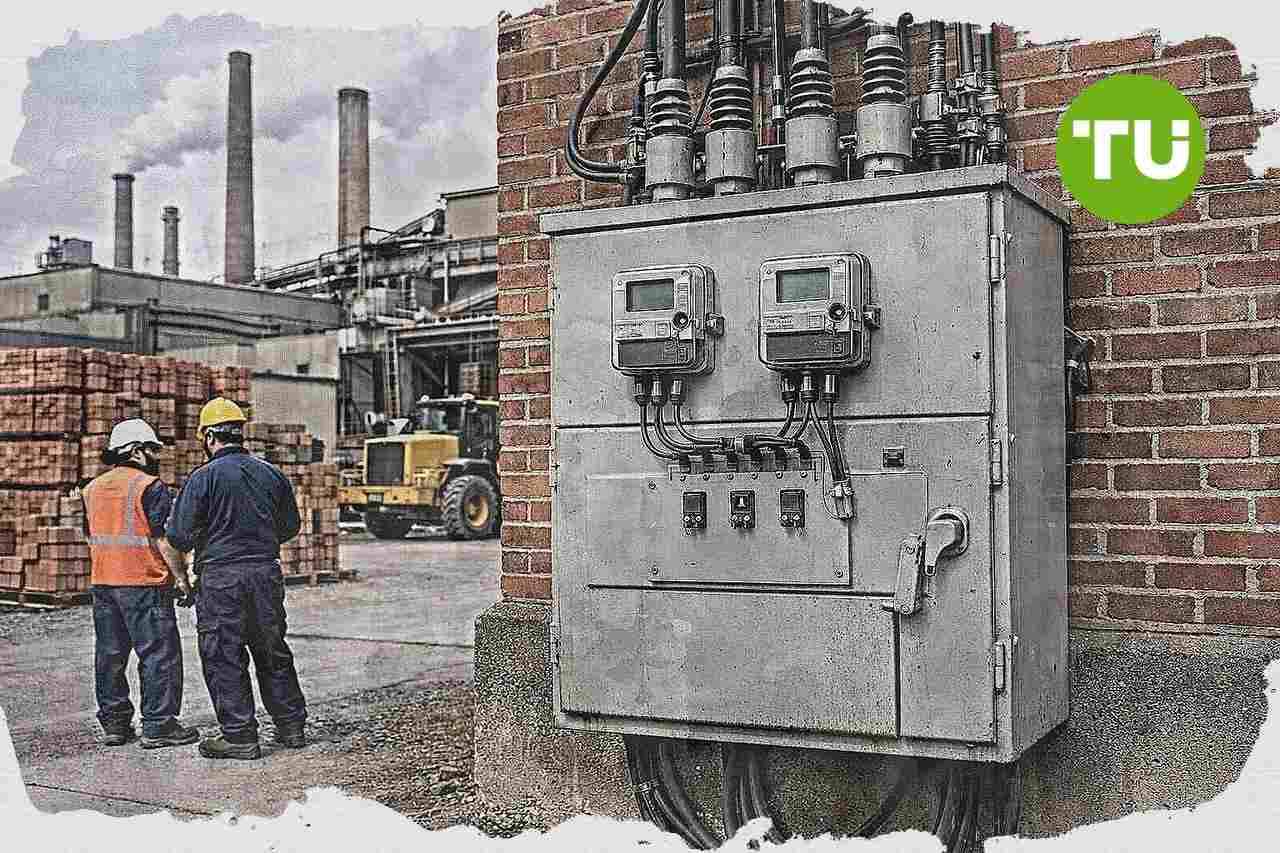
Industrial power costs are rising across parts of the U.S. manufacturing belt as electricity demand from data centers expands in key Midwest and Mid-Atlantic markets. The pressure is hitting factories through sharply higher capacity charges and is complicating operating decisions for companies already facing thin margins.
Highlights
- Belden Brick Company's monthly capacity charge surged to $12,000 from $1,600 and contributed to a 4% brick price hike as profits declined.
- PJM capacity prices spiked 1,038% to $329.17 per megawatt-day in 2024, driven primarily by data center growth outpacing power generation capacity.
- Plaskolite's annual capacity charges at Pennsylvania and Ohio sites jumped to $1.2 million from $200,000, prompting consideration of direct natural gas generation to reduce grid reliance.
Capacity charges squeeze factory budgets
As reported by Reuters, manufacturers in the PJM Interconnection region are seeing electricity bills climb as data centers tied to the artificial intelligence industry add heavy demand to the grid.Belden Brick Company in Sugarcreek, Ohio, says its electricity costs had been relatively stable for years before surging 90% last year. The company’s monthly capacity charge recently rose to $12,000 from $1,600, according to president Brad Belden, and the higher costs have already contributed to a 4% increase in brick prices while profits shrink.
PJM, the largest U.S. grid operator, covers a broad manufacturing corridor from New Jersey to northern Illinois and as far south as Tennessee. Capacity charges are meant to pay generators for ensuring enough electricity is available during peak periods, but industry interviews cited in the report show those fees can make up a much larger share of factory bills than of residential bills.
PJM spokesperson Jeff Shields says data centers can be built faster than the power generation needed to serve them, pushing demand ahead of supply. PJM capacity prices rose to $329.17 per megawatt-day from $28.92 per megawatt-day in 2024, a 1,038% increase that the report says is driven primarily by data center growth.
Manufacturing response and policy risks
Higher electricity costs are prompting manufacturers to reassess operations, pricing and energy strategies as policymakers try to shield households and smaller customers from data center-related price spikes.According to Reuters calculations using U.S. Energy Department data, average industrial electricity prices as of December 2025 were up 31% in Pennsylvania and 26% in Ohio from 12 months earlier, compared with a 7% national increase for industrial users. Residential prices in those states rose more slowly, by 14% and 9% respectively.
Plaskolite says capacity charges at its Pennsylvania and Ohio sites jumped to $1.2 million annually from $200,000 a year earlier, pushing the plastics manufacturer to consider replacing grid power with a direct natural gas feed. Tosoh SMD in Grove City, Ohio, is considering shifting more production to overnight hours when electricity is cheaper in an effort to preserve competitiveness.
The White House says President Donald Trump has taken steps to reduce the burden on manufacturers, including backing more power plant construction in PJM to be paid for by tech companies. At the same time, manufacturers say some state and federal proposals aimed at making data centers pay more could also capture factories because they often sit in the same electricity-rate class.
The Federal Energy Regulatory Commission is proposing that companies with onsite power generation pay transmission charges on that generation as well, to ensure grid supply if onsite systems fail. Manufacturing advocates are seeking exemptions, while companies such as Belden Brick are weighing their own onsite generation options to reduce dependence on an increasingly expensive grid.
SoftBank’s expanding AI investments and data center buildout were previously covered by our publication, including its planned large-scale infrastructure push tied to OpenAI and new facilities in multiple regions. We also noted that these AI-driven projects are increasingly paired with power-supply planning, such as dedicated generation initiatives designed to support energy-hungry data centers.


Latest Coincheck News







-
 Afghanistan
-
 Albania
-
 Algeria
-
 Angola
-
 Argentina
-
 Armenia
-
 Australia
-
 Austria
-
 Azerbaijan
-
 Bahamas
-
 Bahrain
-
 Bangladesh
-
 Belarus
-
 Belgium
-
 Bolivia
-
 Botswana
-
 Brazil
-
 Brunei
-
 Bulgaria
-
 Cambodia
-
 Cameroon
-
 Canada
-
 Chile
Chile
-
 China
China
-
 Colombia
-
 Congo
Congo
-
 Costa Rica
-
 Cote d'Ivoire
-
 Croatia
-
 Cuba
Cuba
-
 Cyprus
-
 Czechia
-
 DR Congo
-
 Denmark
-
 Dominican Republic
-
 Ecuador
-
 Egypt
Egypt
-
 El Salvador
-
 Estonia
-
 Eswatini
-
 Ethiopia
-
 Finland
-
 France
-
 Georgia
-
 Germany
-
 Ghana
Ghana
-
 Greece
-
 Haiti
Haiti
-
 Hong Kong
-
 Hungary
-
 India
India
-
 Indonesia
-
 Iran, Islamic republic
-
 Iraq
Iraq
-
 Ireland
-
 Israel
-
 Italy
Italy
-
 Jamaica
-
 Japan
Japan
-
 Jordan
-
 Kazakhstan
-
 Kenya
Kenya
-
 Korea
Korea
-
 Kuwait
-
 Kyrgyzstan
-
 Laos
Laos
-
 Latvia
-
 Lebanon
-
 Lesotho
-
 Libya
Libya
-
 Lithuania
-
 Luxembourg
-
 Madagascar
-
 Malaysia
-
 Malta
Malta
-
 Mauritius
-
 Mexico
-
 Moldova
-
 Mongolia
-
 Montenegro
-
 Morocco
-
 Mozambique
-
 Myanmar
-
 Namibia
-
 Nepal
Nepal
-
 Netherlands
-
 New Zealand
-
 Nigeria
-
 North Macedonia
-
 Norway
-
 Oman
Oman
-
 Pakistan
-
 Palestine
-
 Panama
-
 Papua New Guinea
-
 Paraguay
-
 Peru
Peru
-
 Philippines
-
 Poland
-
 Portugal
-
 Puerto Rico
-
 Qatar
Qatar
-
 Reunion
-
 Romania
-
 Rwanda
-
 Saudi Arabia
-
 Serbia
-
 Singapore
-
 Slovakia
-
 Slovenia
-
 Somalia
-
 South Africa
-
 Spain
Spain
-
 Sri Lanka
-
 Sweden
-
 Switzerland
-
 Syria
Syria
-
 Taiwan
-
 Tajikistan
-
 Tanzania
-
 Thailand
-
 Trinidad and Tobago
-
 Tunisia
-
 Turkey
-
 UAE
UAE
-
 Uganda
-
 Ukraine
-
 United Kingdom
-
United States
-
 Uruguay
-
 Uzbekistan
-
 Venezuela
-
 Vietnam
-
 Yemen
Yemen
-
 Zambia
-
 Zimbabwe
- Forex
- Crypto











