
Union Pacific and Norfolk Southern defend $85 billion merger before U.S. regulator
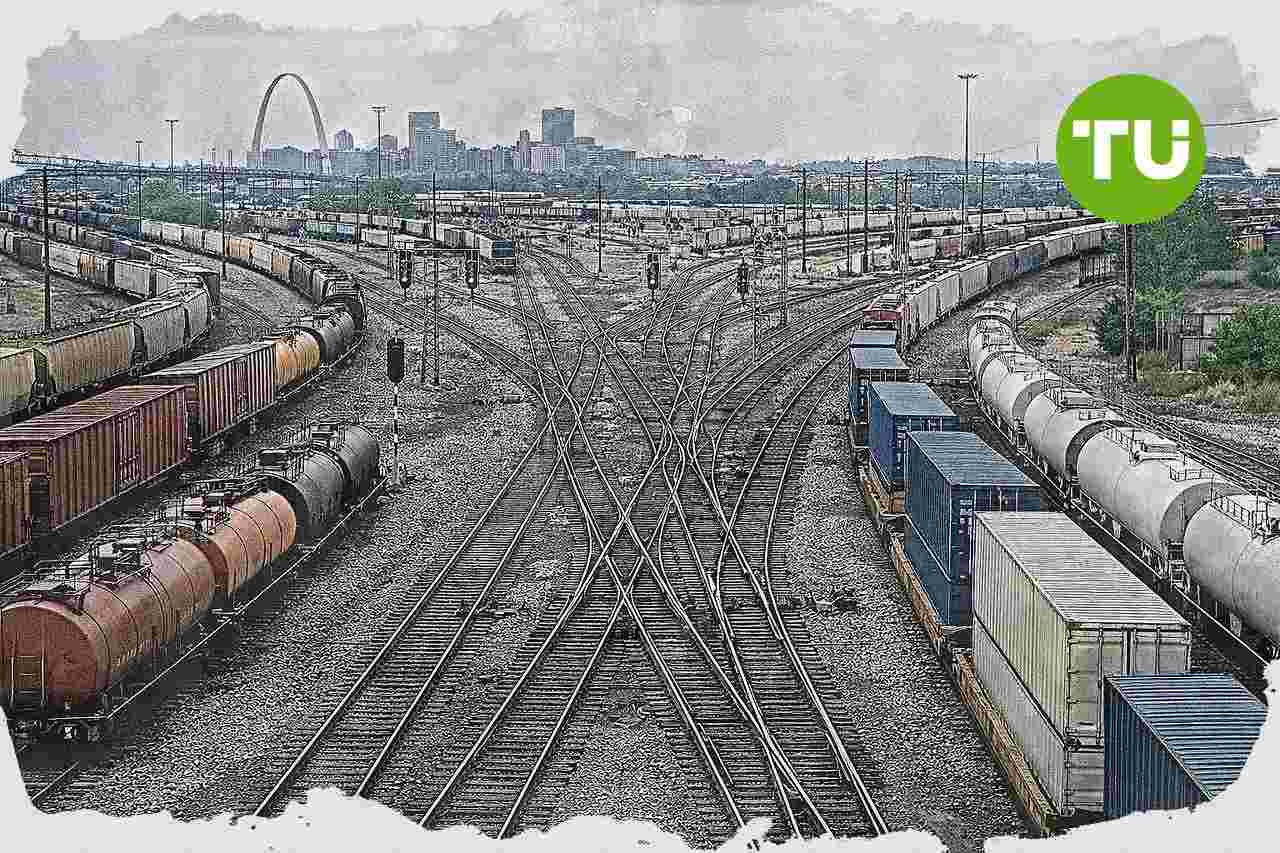
U.S. rail consolidation is facing a new regulatory test as Union Pacific and Norfolk Southern press ahead with their proposed $85 billion combination. The companies say they are prepared to divest stakes in several smaller railroads if required, as scrutiny grows over competition, shipping costs and industry structure.
Highlights
- Union Pacific and Norfolk Southern stated to the Surface Transportation Board that they will divest interests in Terminal Railroad Association of St. Louis, Kansas City Terminal Railway, and TTX Company if required for their $85 billion merger.
- The proposed merger would establish the first U.S. coast-to-coast freight rail operator, promising annual shipper savings of $3.5 billion and the removal of 2.1 million trucks from roads.
- Despite regulatory and competitor opposition, including BNSF Railway and Canadian Pacific Kansas City, the merger gained momentum after President Trump reshuffled the Surface Transportation Board, making approval more likely.
Regulatory case centers on divestiture offer
As reported by Reuters, Union Pacific and Norfolk Southern told the Surface Transportation Board on Tuesday that they are willing to sell ownership interests in smaller railroads tied to the transaction if regulators direct them to do so.The companies say they would not control the Terminal Railroad Association of St. Louis, Kansas City Terminal Railway and TTX Company after the merger. Those railroads are jointly owned with other major carriers and run by independent management teams.
Union Pacific and Norfolk Southern argue that rival carriers are using the smaller railroads, especially the Terminal Railroad Association of St. Louis, to try to block or slow the deal. The two companies are due to file additional answers to Surface Transportation Board questions by July 27, and they say they expect to close the transaction in the first half of 2027.
Industry impact and opposition remain in focus
The proposed combination would create the first U.S. coast-to-coast freight rail operator and could reshape the national freight network by reducing interchange delays in major hubs such as Chicago. The railroads say the merger would save shippers about $3.5 billion a year, improve service reliability, preserve shipper options and protect union jobs.The companies also forecast the combined network would remove about 2.1 million trucks from the road, a shift they say should lower logistics costs and help reduce consumer prices. That argument is central to their broader claim that the transaction would deliver public benefits beyond the rail sector.
Resistance to the merger remains active. Freight shippers concerned about higher rates, attorneys general in some states, and major rivals including BNSF Railway and Canadian Pacific Kansas City continue to raise objections and lobby against the transaction.
President Donald Trump has publicly backed the merger and earlier removed Democratic board member Robert Primus from the Surface Transportation Board, who could oppose the consolidation. He also designated Republican Patrick Fuchs as chairman, a move widely seen as making the regulator more receptive to approving the deal.
In our earlier article on Canadian Pacific Kansas City’s single-line rail network milestone, we examined how CP became the first operator to run a unified, single-line network across North America and what that could mean for cross-border freight efficiency. We also highlighted the stock’s bullish technical setup, while noting near-term overbought risks and a potential consolidation range as traders watched for a breakout.














-
 Afghanistan
-
 Albania
-
 Algeria
-
 Angola
-
 Argentina
-
 Armenia
-
 Australia
-
 Austria
-
 Azerbaijan
-
 Bahamas
-
 Bahrain
-
 Bangladesh
-
 Belarus
-
 Belgium
-
 Bolivia
-
 Botswana
-
 Brazil
-
 Brunei
-
 Bulgaria
-
 Cambodia
-
 Cameroon
-
 Canada
-
 Chile
Chile
-
 China
China
-
 Colombia
-
 Congo
Congo
-
 Costa Rica
-
 Cote d'Ivoire
-
 Croatia
-
 Cuba
Cuba
-
 Cyprus
-
 Czechia
-
 DR Congo
-
 Denmark
-
 Dominican Republic
-
 Ecuador
-
 Egypt
Egypt
-
 El Salvador
-
 Estonia
-
 Eswatini
-
 Ethiopia
-
 Finland
-
 France
-
 Georgia
-
 Germany
-
 Ghana
Ghana
-
 Greece
-
 Haiti
Haiti
-
 Hong Kong
-
 Hungary
-
 India
India
-
 Indonesia
-
 Iran, Islamic republic
-
 Iraq
Iraq
-
 Ireland
-
 Israel
-
 Italy
Italy
-
 Jamaica
-
 Japan
Japan
-
 Jordan
-
 Kazakhstan
-
 Kenya
Kenya
-
 Korea
Korea
-
 Kuwait
-
 Kyrgyzstan
-
 Laos
Laos
-
 Latvia
-
 Lebanon
-
 Lesotho
-
 Libya
Libya
-
 Lithuania
-
 Luxembourg
-
 Madagascar
-
 Malaysia
-
 Malta
Malta
-
 Mauritius
-
 Mexico
-
 Moldova
-
 Mongolia
-
 Montenegro
-
 Morocco
-
 Mozambique
-
 Myanmar
-
 Namibia
-
 Nepal
Nepal
-
 Netherlands
-
 New Zealand
-
 Nigeria
-
 North Macedonia
-
 Norway
-
 Oman
Oman
-
 Pakistan
-
 Palestine
-
 Panama
-
 Papua New Guinea
-
 Paraguay
-
 Peru
Peru
-
 Philippines
-
 Poland
-
 Portugal
-
 Puerto Rico
-
 Qatar
Qatar
-
 Reunion
-
 Romania
-
 Rwanda
-
 Saudi Arabia
-
 Serbia
-
 Singapore
-
 Slovakia
-
 Slovenia
-
 Somalia
-
 South Africa
-
 Spain
Spain
-
 Sri Lanka
-
 Sweden
-
 Switzerland
-
 Syria
Syria
-
 Taiwan
-
 Tajikistan
-
 Tanzania
-
 Thailand
-
 Trinidad and Tobago
-
 Tunisia
-
 Turkey
-
 UAE
UAE
-
 Uganda
-
 Ukraine
-
 United Kingdom
-
United States
-
 Uruguay
-
 Uzbekistan
-
 Venezuela
-
 Vietnam
-
 Yemen
Yemen
-
 Zambia
-
 Zimbabwe
- Forex
- Crypto











