
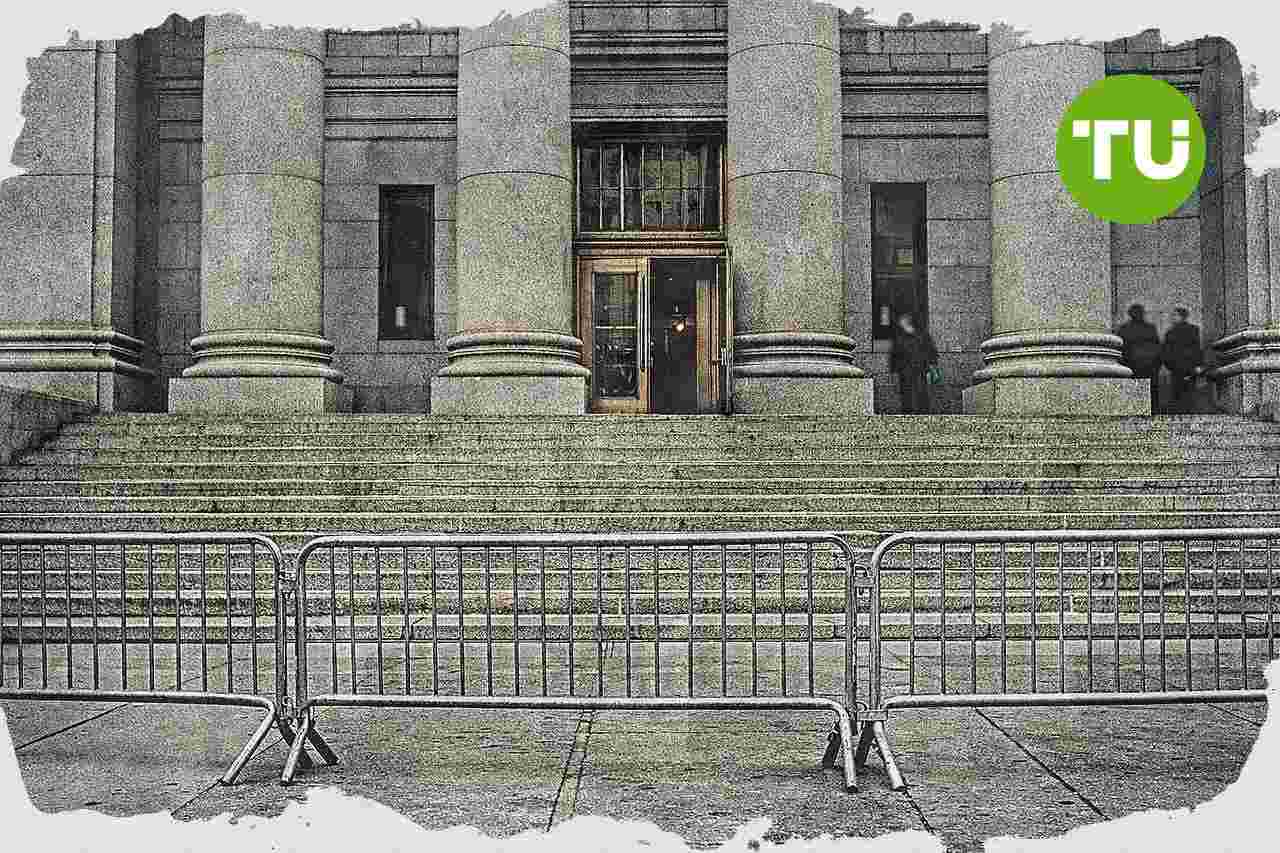
The legal fight over who regulates prediction markets is intensifying as state officials push to apply gambling rules to sports-event contracts. A federal judge in Manhattan now refuses to shield Kalshi from New York enforcement, adding pressure on platforms operating in the fast-growing sector.
Highlights
- U.S. District Judge Analisa Torres denies Kalshi's request for a preliminary injunction against New York gambling laws, citing state interests over federal claims.
- New York's enforcement of gambling laws against prediction market platforms like Kalshi conflicts with the U.S. Commodity Futures Trading Commission's claim of exclusive jurisdiction.
- Kalshi, after being ordered to halt unlicensed sports-event contracts, appeals the ruling as New York also pursues legal action against Coinbase Financial Markets and Gemini Titan for similar activities.
Court ruling on sports-event contracts
As reported by Reuters, U.S. District Judge Analisa Torres in Manhattan rules that Kalshi does not merit a preliminary injunction against New York's gambling laws as they apply to the platform's sports-event contracts.In Tuesday's decision, Torres says the federal Commodity Exchange Act does not supersede New York gambling law in this case. She also says the state's interests in preventing gambling addiction, protecting the integrity of sports and avoiding the spread of unregulated contracts weigh heavily against Kalshi's position.
Torres writes that Kalshi has not made a clear or substantial showing that it is likely to succeed on the merits. She adds that other federal courts remain divided on the broader legal question.
Kalshi declines to comment through its lawyer and appeals the ruling to the federal appeals court in Manhattan. In a joint statement on Wednesday, Governor Kathy Hochul and Attorney General Letitia James say New York will continue to enforce gambling laws against prediction market platforms.
Wider regulatory clash over prediction markets
New York's position conflicts with that of the U.S. Commodity Futures Trading Commission, which maintains that it has exclusive jurisdiction over commodity derivatives markets, including prediction markets. CFTC Chairman Michael Selig has described that authority as exclusive.Platforms such as Kalshi and Polymarket allow users to wager on outcomes including sports and elections. The sector gains momentum after the 2024 U.S. presidential election, when prediction market probabilities outperform polling in forecasting Donald Trump's victory over Kamala Harris.
Kalshi sues New York last October after the state's gaming commission orders it to stop offering unlicensed sports-event contracts. New York also files lawsuits on April 21 against Coinbase Financial Markets and Gemini Titan, accusing them of promoting gambling through event contracts, while the CFTC sues New York three days later and says last month it challenges similar state actions in Arizona, Connecticut, Illinois, Kentucky, Minnesota, New Mexico, Rhode Island and Wisconsin.
New York Fed research on tariff-driven inflation showed that many firms in the region still face lingering cost pressures from higher import taxes and expect to keep passing those costs on through additional price increases. Our publication noted that contract timing and gradual pricing strategies can delay the full passthrough, keeping inflation risks in focus alongside other potential shocks such as higher energy prices.















-
 Afghanistan
-
 Albania
-
 Algeria
-
 Angola
-
 Argentina
-
 Armenia
-
 Australia
-
 Austria
-
 Azerbaijan
-
 Bahamas
-
 Bahrain
-
 Bangladesh
-
 Belarus
-
 Belgium
-
 Bolivia
-
 Botswana
-
 Brazil
-
 Brunei
-
 Bulgaria
-
 Cambodia
-
 Cameroon
-
 Canada
-
 Chile
Chile
-
 China
China
-
 Colombia
-
 Congo
Congo
-
 Costa Rica
-
 Cote d'Ivoire
-
 Croatia
-
 Cuba
Cuba
-
 Cyprus
-
 Czechia
-
 DR Congo
-
 Denmark
-
 Dominican Republic
-
 Ecuador
-
 Egypt
Egypt
-
 El Salvador
-
 Estonia
-
 Eswatini
-
 Ethiopia
-
 Finland
-
 France
-
 Georgia
-
 Germany
-
 Ghana
Ghana
-
 Greece
-
 Haiti
Haiti
-
 Hong Kong
-
 Hungary
-
 India
India
-
 Indonesia
-
 Iran, Islamic republic
-
 Iraq
Iraq
-
 Ireland
-
 Israel
-
 Italy
Italy
-
 Jamaica
-
 Japan
Japan
-
 Jordan
-
 Kazakhstan
-
 Kenya
Kenya
-
 Korea
Korea
-
 Kuwait
-
 Kyrgyzstan
-
 Laos
Laos
-
 Latvia
-
 Lebanon
-
 Lesotho
-
 Libya
Libya
-
 Lithuania
-
 Luxembourg
-
 Madagascar
-
 Malaysia
-
 Malta
Malta
-
 Mauritius
-
 Mexico
-
 Moldova
-
 Mongolia
-
 Montenegro
-
 Morocco
-
 Mozambique
-
 Myanmar
-
 Namibia
-
 Nepal
Nepal
-
 Netherlands
-
 New Zealand
-
 Nigeria
-
 North Macedonia
-
 Norway
-
 Oman
Oman
-
 Pakistan
-
 Palestine
-
 Panama
-
 Papua New Guinea
-
 Paraguay
-
 Peru
Peru
-
 Philippines
-
 Poland
-
 Portugal
-
 Puerto Rico
-
 Qatar
Qatar
-
 Reunion
-
 Romania
-
 Rwanda
-
 Saudi Arabia
-
 Serbia
-
 Singapore
-
 Slovakia
-
 Slovenia
-
 Somalia
-
 South Africa
-
 Spain
Spain
-
 Sri Lanka
-
 Sweden
-
 Switzerland
-
 Syria
Syria
-
 Taiwan
-
 Tajikistan
-
 Tanzania
-
 Thailand
-
 Trinidad and Tobago
-
 Tunisia
-
 Turkey
-
 UAE
UAE
-
 Uganda
-
 Ukraine
-
 United Kingdom
-
United States
-
 Uruguay
-
 Uzbekistan
-
 Venezuela
-
 Vietnam
-
 Yemen
Yemen
-
 Zambia
-
 Zimbabwe
- Forex
- Crypto











