UK secures Sizewell B power pricing in nuclear extension push
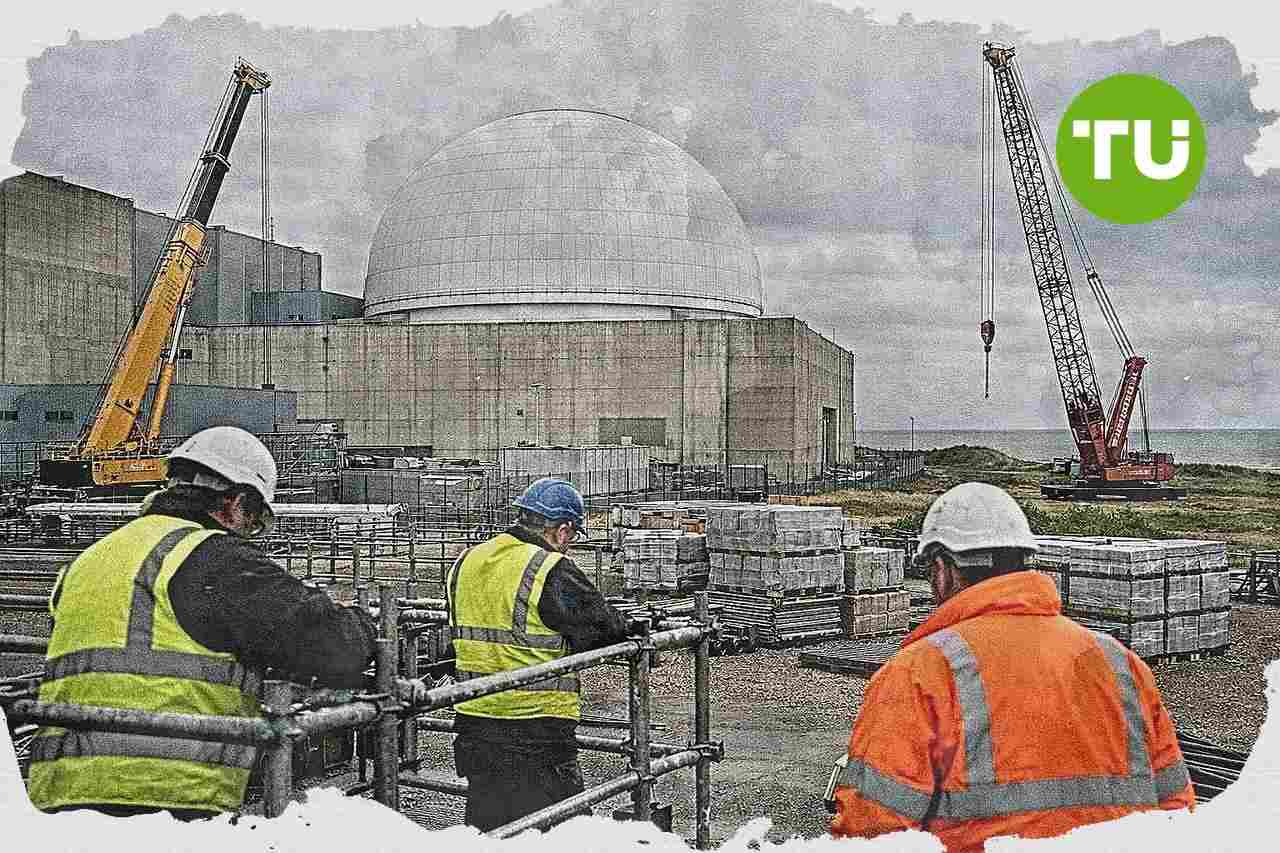
Britain is extending the operating and financing framework for Sizewell B as it seeks firmer low-carbon power supplies to support its net zero goal. The Suffolk nuclear plant, which started running in 1995 and supplies about 3 per cent of the country’s electricity, could continue operating until 2055 under the plan.
Highlights
- UK government agrees a 20-year contract for difference with EDF for Sizewell B, enabling about £800 million of investment and securing a £70.50/MWh inflation-indexed strike price from 2035 to 2055.
- Contract terms provide revenue certainty for EDF and Centrica, support 900 jobs, and set a strike price below current but above pre-crisis wholesale electricity levels.
- With Britain's current nuclear plants slated to close by 2030 and regulatory clearance pending, Sizewell B's extension helps bridge supply ahead of Hinkley Point C and Sizewell C coming online in the 2030s.
Price guarantee and investment terms
As reported by the Financial Times, the UK government has agreed heads of terms on a 20-year pricing arrangement for Sizewell B that would underpin about £800 million of investment in the station by EDF and Centrica.Under the planned contract for difference, EDF is due to receive £70.50 per megawatt hour, indexed to inflation, for electricity generated between 2035 and 2055. If wholesale prices fall below that level, consumers pay the difference; if market prices rise above it, the station pays back the excess.
Ministers say the arrangement supports energy security and helps preserve 900 skilled jobs. The agreed strike price is below current wholesale electricity prices, which remain elevated in part because of disruption to energy markets caused by the Iran war, but it is above average wholesale prices of about £50 per MWh seen before the 2021 to 2023 energy crisis.
Nuclear fleet transition and regulatory hurdles
The extension plan comes as the Labour government tries to expand nuclear generation to back up growing wind and solar output. Britain's other existing nuclear plants are due to shut by spring 2030, while Hinkley Point C and Sizewell C are expected to come online in 2030 and the late 2030s respectively.Sizewell B is Britain’s only pressurised water reactor in the current nuclear fleet, with the rest made up of advanced gas-cooled reactors. Its successors, Hinkley Point C and Sizewell C, are also being built with more modern versions of pressurised water technology.
The plan still needs to clear regulatory requirements. The Office for Nuclear Regulation says a life extension does not require formal regulatory assessment, but it must proceed under a valid safety case, with updates likely needed alongside investment to maintain equipment reliability and the workforce needed for a longer operating life.
Nuclear plants supplied about 12 per cent of Britain’s electricity in 2025, compared with nearly 30 per cent from wind and nearly 27 per cent from gas. If Sizewell B operates through 2055, it is set to become one of the world’s longest-serving nuclear power stations.
In our earlier coverage of the renewed U.S.-Iran escalation around the Strait of Hormuz, we explained how attacks on commercial shipping and retaliatory strikes raised the risk of sustained disruption to a route crucial for global oil and gas flows. We noted that the flare-up pushed Brent prices sharply higher and added fresh uncertainty for energy markets and policymakers focused on securing stable supplies.





Latest National Grid News






-
 Afghanistan
-
 Albania
-
 Algeria
-
 Angola
-
 Argentina
-
 Armenia
-
 Australia
-
 Austria
-
 Azerbaijan
-
 Bahamas
-
 Bahrain
-
 Bangladesh
-
 Belarus
-
 Belgium
-
 Bolivia
-
 Botswana
-
 Brazil
-
 Brunei
-
 Bulgaria
-
 Cambodia
-
 Cameroon
-
 Canada
-
 Chile
Chile
-
 China
China
-
 Colombia
-
 Congo
Congo
-
 Costa Rica
-
 Cote d'Ivoire
-
 Croatia
-
 Cuba
Cuba
-
 Cyprus
-
 Czechia
-
 DR Congo
-
 Denmark
-
 Dominican Republic
-
 Ecuador
-
 Egypt
Egypt
-
 El Salvador
-
 Estonia
-
 Eswatini
-
 Ethiopia
-
 Finland
-
 France
-
 Georgia
-
 Germany
-
 Ghana
Ghana
-
 Greece
-
 Haiti
Haiti
-
 Hong Kong
-
 Hungary
-
 India
India
-
 Indonesia
-
 Iran, Islamic republic
-
 Iraq
Iraq
-
 Ireland
-
 Israel
-
 Italy
Italy
-
 Jamaica
-
 Japan
Japan
-
 Jordan
-
 Kazakhstan
-
 Kenya
Kenya
-
 Korea
Korea
-
 Kuwait
-
 Kyrgyzstan
-
 Laos
Laos
-
 Latvia
-
 Lebanon
-
 Lesotho
-
 Libya
Libya
-
 Lithuania
-
 Luxembourg
-
 Madagascar
-
 Malaysia
-
 Malta
Malta
-
 Mauritius
-
 Mexico
-
 Moldova
-
 Mongolia
-
 Montenegro
-
 Morocco
-
 Mozambique
-
 Myanmar
-
 Namibia
-
 Nepal
Nepal
-
 Netherlands
-
 New Zealand
-
 Nigeria
-
 North Macedonia
-
 Norway
-
 Oman
Oman
-
 Pakistan
-
 Palestine
-
 Panama
-
 Papua New Guinea
-
 Paraguay
-
 Peru
Peru
-
 Philippines
-
 Poland
-
 Portugal
-
 Puerto Rico
-
 Qatar
Qatar
-
 Reunion
-
 Romania
-
 Rwanda
-
 Saudi Arabia
-
 Serbia
-
 Singapore
-
 Slovakia
-
 Slovenia
-
 Somalia
-
 South Africa
-
 Spain
Spain
-
 Sri Lanka
-
 Sweden
-
 Switzerland
-
 Syria
Syria
-
 Taiwan
-
 Tajikistan
-
 Tanzania
-
 Thailand
-
 Trinidad and Tobago
-
 Tunisia
-
 Turkey
-
 UAE
UAE
-
 Uganda
-
 Ukraine
-
 United Kingdom
-
United States
-
 Uruguay
-
 Uzbekistan
-
 Venezuela
-
 Vietnam
-
 Yemen
Yemen
-
 Zambia
-
 Zimbabwe
- Forex
- Crypto











