
U.S. plans Hormuz cargo fee as Trump moves to reinstate blockade
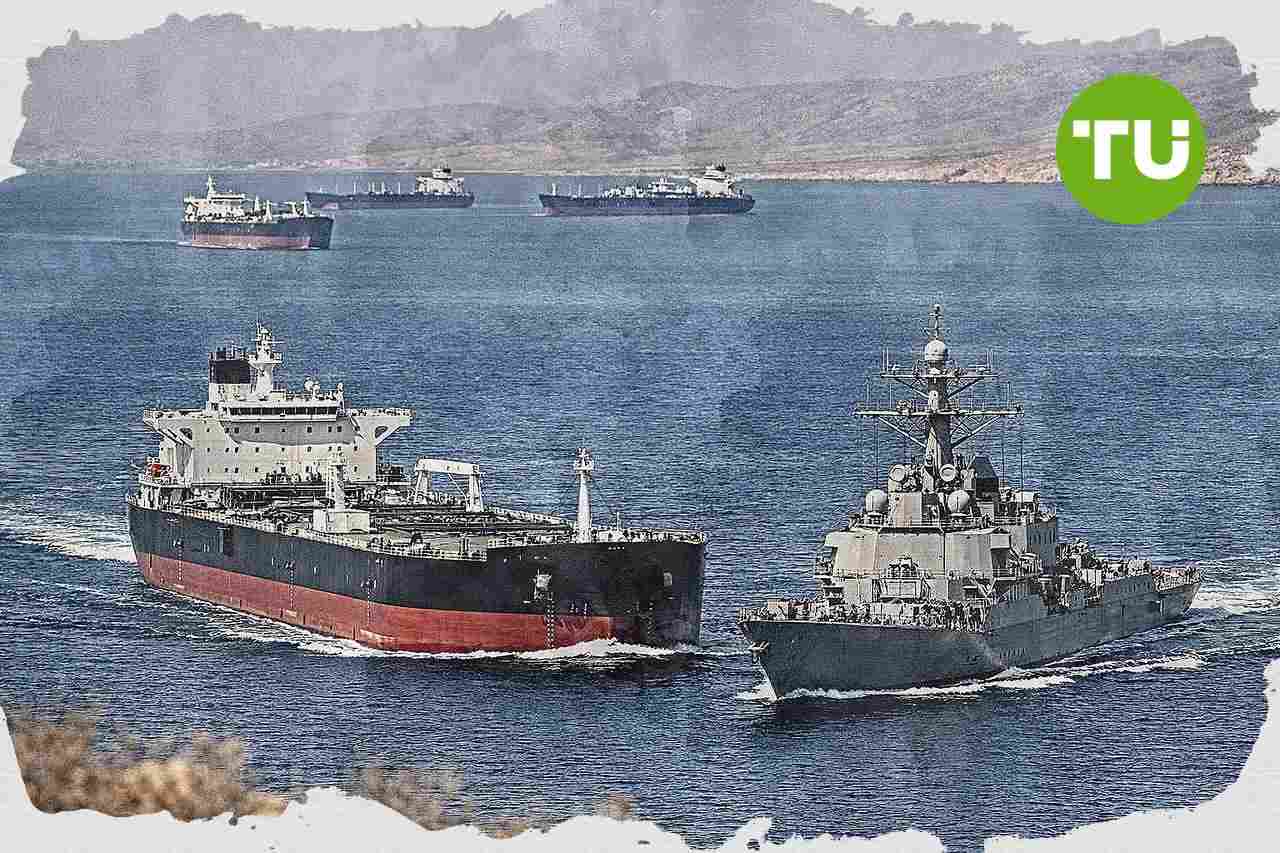
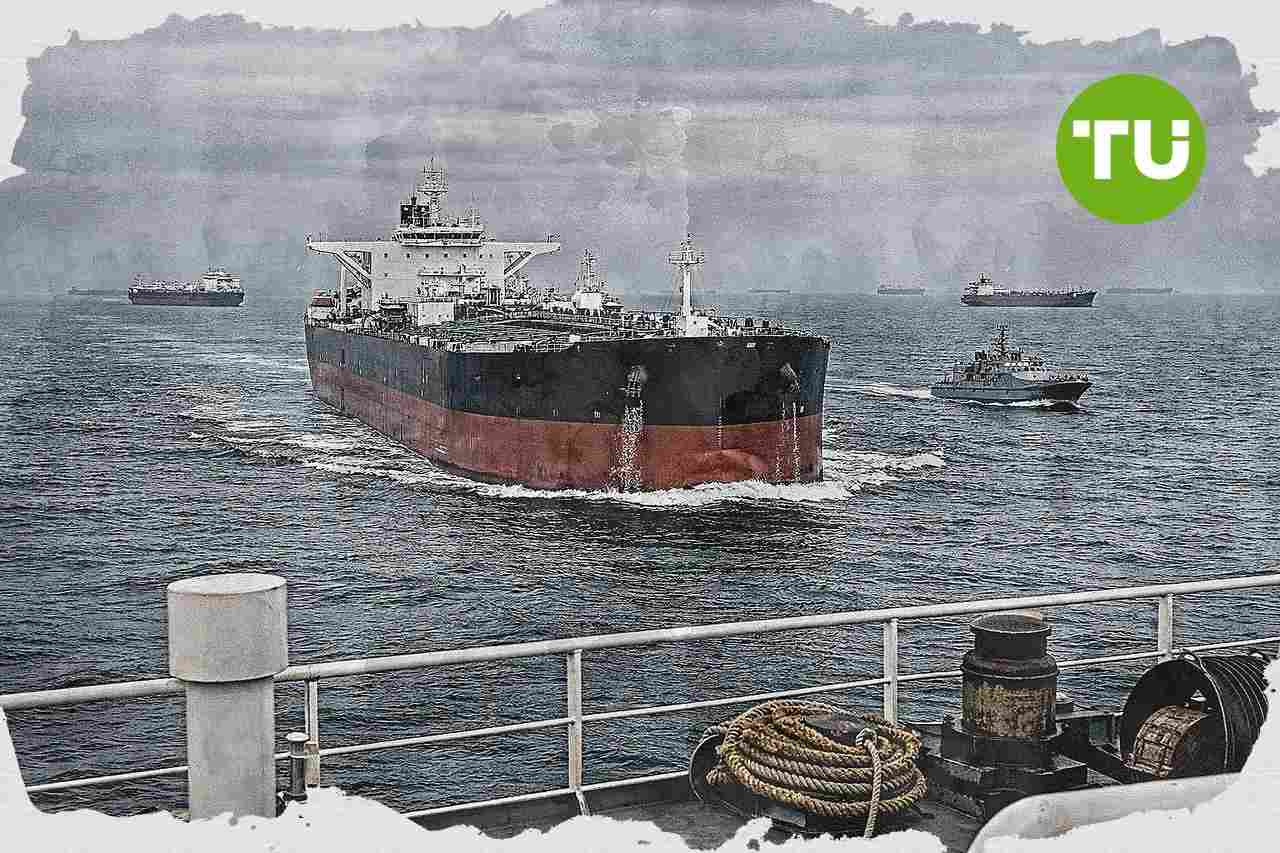
Tensions in the Strait of Hormuz are escalating again as President Donald Trump says the U.S. will restore a blockade targeting Iranian ships and customers. He also says a 20% fee will apply to all cargo shipped through the waterway to cover the cost of security operations in a route critical to global oil flows.
Highlights
- Trump announces immediate reinstatement of the Iranian blockade and a 20% cargo fee on all shipments through the Strait of Hormuz.
- The U.S. pledges to act as the sole guardian of the strait due to insufficient allied support, adding uncertainty over fee enforcement and international shipping impacts.
- Brent crude rises nearly 5% toward $80 a barrel as escalating U.S.-Iran conflict disrupts oil flows through the strait, which carries 20% of global oil supply.
Blockade plan and cargo charge
As reported by Business Insider, Trump says in a Truth Social post on Monday morning that the U.S. is reinstating what he calls the Iranian blockade and that the process and formation will begin immediately. He writes that the strait is open and will remain open, with or without Iran, while the action is designed to stop Iran's ships or customers from entering or leaving.Trump also says the U.S. will charge a 20% fee on all cargo shipped to pay for the costs of providing safety and security in what he describes as a volatile section of the world. He later says in an interview on Fox News that the U.S. is taking over the strait, although it remains unclear how the administration would impose the fee in practice.
Earlier in the conflict, Trump asks U.S. allies to help secure the waterway but receives little support. He now says the U.S. will act as the guardian of the Strait of Hormuz and frames the cargo charge as a matter of fairness.
Oil market and conflict impact
The announcement points to a further breakdown in the fragile ceasefire between the U.S. and Iran. The U.S.-Iran war is already disrupting normal oil movements through the Strait of Hormuz, one of the most important chokepoints for the global energy market.Before the conflict, roughly 20% of the global oil supply flows through the strait. Oil prices are rising as the peace arrangement continues to weaken, with Brent crude up just under 5% on the day as of 10:40 a.m. ET, moving closer to $80 a barrel.
In recent days, the U.S. conducts a series of strikes against Iranian targets that the Pentagon says are aimed at reducing Iran's ability to control the strait. Earlier Monday, Trump signals that he has run out of patience with Iran and is prepared to return to a more aggressive stance.
In our earlier coverage of the escalation around the Strait of Hormuz, we described how fresh U.S. strikes and Iran’s retaliatory actions quickly raised the risk of shipping disruptions through this critical energy chokepoint. We also highlighted the immediate market impact, with Brent jumping as traders priced in the possibility of reduced vessel traffic and further breakdown of the ceasefire framework.


Latest Brent News





-
 Afghanistan
-
 Albania
-
 Algeria
-
 Angola
-
 Argentina
-
 Armenia
-
 Australia
-
 Austria
-
 Azerbaijan
-
 Bahamas
-
 Bahrain
-
 Bangladesh
-
 Belarus
-
 Belgium
-
 Bolivia
-
 Botswana
-
 Brazil
-
 Brunei
-
 Bulgaria
-
 Cambodia
-
 Cameroon
-
 Canada
-
 Chile
Chile
-
 China
China
-
 Colombia
-
 Congo
Congo
-
 Costa Rica
-
 Cote d'Ivoire
-
 Croatia
-
 Cuba
Cuba
-
 Cyprus
-
 Czechia
-
 DR Congo
-
 Denmark
-
 Dominican Republic
-
 Ecuador
-
 Egypt
Egypt
-
 El Salvador
-
 Estonia
-
 Eswatini
-
 Ethiopia
-
 Finland
-
 France
-
 Georgia
-
 Germany
-
 Ghana
Ghana
-
 Greece
-
 Haiti
Haiti
-
 Hong Kong
-
 Hungary
-
 India
India
-
 Indonesia
-
 Iran, Islamic republic
-
 Iraq
Iraq
-
 Ireland
-
 Israel
-
 Italy
Italy
-
 Jamaica
-
 Japan
Japan
-
 Jordan
-
 Kazakhstan
-
 Kenya
Kenya
-
 Korea
Korea
-
 Kuwait
-
 Kyrgyzstan
-
 Laos
Laos
-
 Latvia
-
 Lebanon
-
 Lesotho
-
 Libya
Libya
-
 Lithuania
-
 Luxembourg
-
 Madagascar
-
 Malaysia
-
 Malta
Malta
-
 Mauritius
-
 Mexico
-
 Moldova
-
 Mongolia
-
 Montenegro
-
 Morocco
-
 Mozambique
-
 Myanmar
-
 Namibia
-
 Nepal
Nepal
-
 Netherlands
-
 New Zealand
-
 Nigeria
-
 North Macedonia
-
 Norway
-
 Oman
Oman
-
 Pakistan
-
 Palestine
-
 Panama
-
 Papua New Guinea
-
 Paraguay
-
 Peru
Peru
-
 Philippines
-
 Poland
-
 Portugal
-
 Puerto Rico
-
 Qatar
Qatar
-
 Reunion
-
 Romania
-
 Rwanda
-
 Saudi Arabia
-
 Serbia
-
 Singapore
-
 Slovakia
-
 Slovenia
-
 Somalia
-
 South Africa
-
 Spain
Spain
-
 Sri Lanka
-
 Sweden
-
 Switzerland
-
 Syria
Syria
-
 Taiwan
-
 Tajikistan
-
 Tanzania
-
 Thailand
-
 Trinidad and Tobago
-
 Tunisia
-
 Turkey
-
 UAE
UAE
-
 Uganda
-
 Ukraine
-
 United Kingdom
-
United States
-
 Uruguay
-
 Uzbekistan
-
 Venezuela
-
 Vietnam
-
 Yemen
Yemen
-
 Zambia
-
 Zimbabwe
- Forex
- Crypto











