
U.S. small caps extend rally as AI spending and tax changes lift returns
A long-awaited rotation in U.S. equities is gathering pace as investors shift attention from dominant megacap technology stocks to smaller companies tied to AI infrastructure and domestic growth. The Russell 2000 is up 20 per cent so far this year and is on course for its strongest annual performance since 2003, outpacing both the S&P 500 and the so-called Magnificent Seven.
Highlights
- Major U.S. hyperscalers are expected to spend about $725 billion on AI infrastructure in 2024, a 77 per cent increase from last year, fueling gains for small-cap suppliers.
- Ichor Holdings, Ultra Clean Holdings, and Rackspace Technology have each surged over 400 per cent this year, as small caps benefit from AI demand and favorable tax changes from the One Big Beautiful Bill Act.
- Despite the Russell 2000 trading at about 29 times earnings versus 20 times for the S&P 500, much of the small-cap rally is concentrated in unprofitable tech firms, raising concerns over market froth.
AI investment and policy tailwinds drive the rebound
As reported by Financial Times, smaller U.S. companies are benefiting from a mix of AI-related capital spending, resilient economic growth and tax changes that are supporting business and consumer demand. Investors are increasingly looking past whether major hyperscalers can translate heavy investment into profits, and are instead buying into parts of the market that supply equipment, cloud capacity and related infrastructure.Kriti Gupta, global investment strategist at JPMorgan Private Bank, says investors have spent years waiting for a broader rally while megacap technology companies dominated returns. She says that leadership is now beginning to widen, reducing reliance on a narrow group of winners.
Manish Kabra, head of U.S. equity strategy at Société Générale, says an AI-led industrial supercycle is powering gains, especially in small-cap technology and industrial stocks. He adds that tax rebates for households and favorable tax treatment for smaller businesses have helped the economy absorb higher energy prices linked to war in the Middle East.
The major U.S. hyperscalers, Amazon, Meta, Microsoft and Alphabet, are expected to spend about $725 billion on AI infrastructure this year, based on forecasts from last quarter, a 77 per cent increase from last year. Kabra says President Donald Trump's One Big Beautiful Bill Act, signed into law last summer, helped support consumers through spring tax refunds and aided small businesses through corporate tax cuts and depreciation changes.
Valuation appeal meets rising concern over market froth
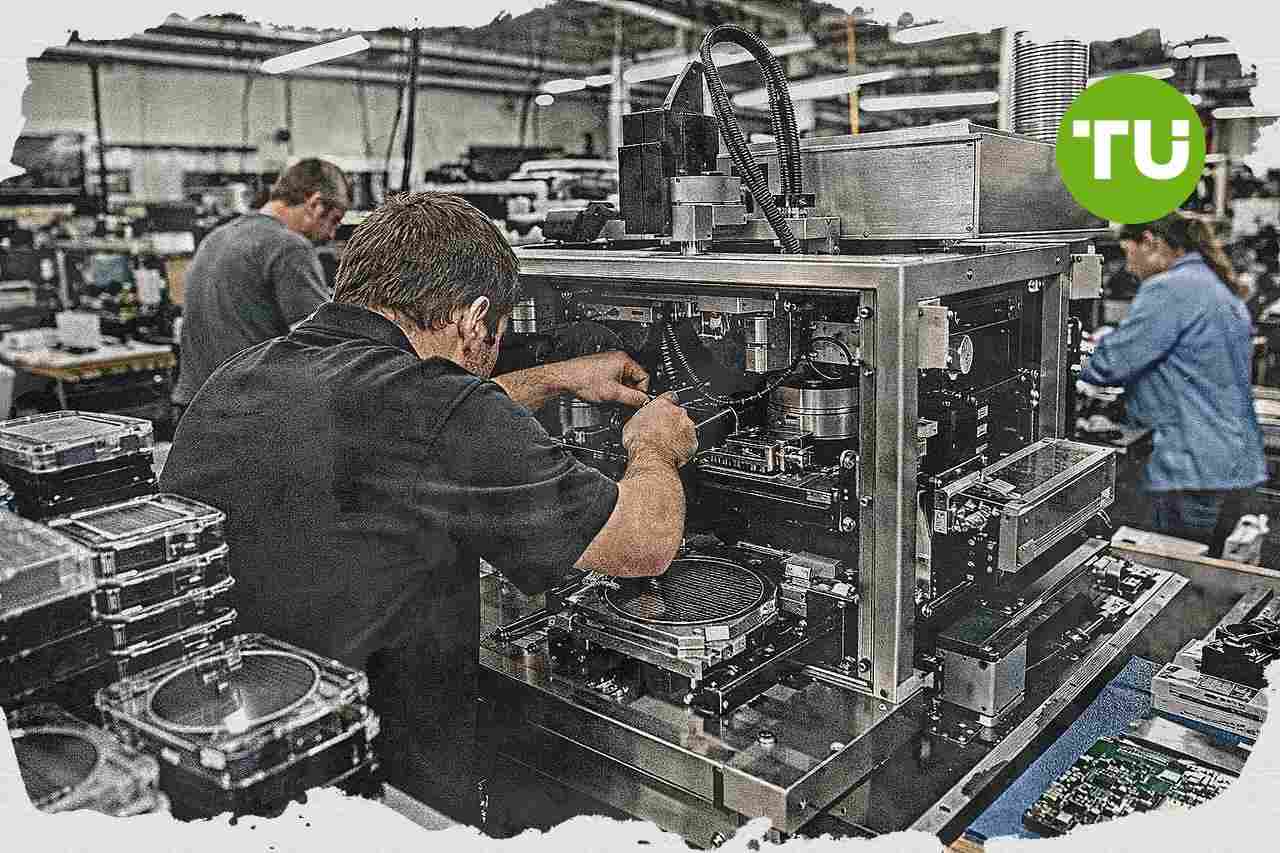
Some of the strongest performers in the small-cap space this year are companies seen as direct beneficiaries of AI spending. Ichor Holdings and Ultra Clean Holdings, which supply semiconductor manufacturing components, have each seen their share prices more than quadruple this year, while cloud computing group Rackspace Technology has risen 450 per cent.Dane Smith, head of investment strategy and research for North America at State Street Investment Management, says the firm remains bullish on U.S. small caps because the economy is strong and valuations are relatively cheap compared with other parts of the market. He says elevated multiples among large caps and concentration risk are pushing investors toward smaller stocks as an alternative.
On headline measures, the Russell 2000 trades at about 29 times earnings, compared with 20 times for the S&P 500, according to Bloomberg data, though that is skewed by growing businesses with low or no earnings. The S&P 600 small-cap index, which includes fewer unprofitable companies, trades at about 16 times forward earnings, suggesting many smaller companies still change hands at lower valuations.
Not all analysts see the rally as a sign of a healthier broadening market. Max Kettner, chief multi-asset strategist at HSBC, warns that gains in the Russell 2000 are being driven largely by unprofitable companies, especially in technology, and says the move reflects investor exuberance more than economic fundamentals. The Russell Microcap index, where more than half of constituents are consistently unprofitable, is up 25 per cent this year, rising even faster than the Russell 2000.
In our earlier coverage of the House Committee on Small Business’s July agenda, we highlighted upcoming hearings on how AI is shaping the future of Main Street businesses, alongside oversight of the Small Business Administration. We also noted that a session on what digital assets mean for small businesses was postponed, underscoring lawmakers’ continued focus on how emerging technologies and regulation could affect the sector.


Latest Société Générale News







-
 Afghanistan
-
 Albania
-
 Algeria
-
 Angola
-
 Argentina
-
 Armenia
-
 Australia
-
 Austria
-
 Azerbaijan
-
 Bahamas
-
 Bahrain
-
 Bangladesh
-
 Belarus
-
 Belgium
-
 Bolivia
-
 Botswana
-
 Brazil
-
 Brunei
-
 Bulgaria
-
 Cambodia
-
 Cameroon
-
 Canada
-
 Chile
Chile
-
 China
China
-
 Colombia
-
 Congo
Congo
-
 Costa Rica
-
 Cote d'Ivoire
-
 Croatia
-
 Cuba
Cuba
-
 Cyprus
-
 Czechia
-
 DR Congo
-
 Denmark
-
 Dominican Republic
-
 Ecuador
-
 Egypt
Egypt
-
 El Salvador
-
 Estonia
-
 Eswatini
-
 Ethiopia
-
 Finland
-
 France
-
 Georgia
-
 Germany
-
 Ghana
Ghana
-
 Greece
-
 Haiti
Haiti
-
 Hong Kong
-
 Hungary
-
 India
India
-
 Indonesia
-
 Iran, Islamic republic
-
 Iraq
Iraq
-
 Ireland
-
 Israel
-
 Italy
Italy
-
 Jamaica
-
 Japan
Japan
-
 Jordan
-
 Kazakhstan
-
 Kenya
Kenya
-
 Korea
Korea
-
 Kuwait
-
 Kyrgyzstan
-
 Laos
Laos
-
 Latvia
-
 Lebanon
-
 Lesotho
-
 Libya
Libya
-
 Lithuania
-
 Luxembourg
-
 Madagascar
-
 Malaysia
-
 Malta
Malta
-
 Mauritius
-
 Mexico
-
 Moldova
-
 Mongolia
-
 Montenegro
-
 Morocco
-
 Mozambique
-
 Myanmar
-
 Namibia
-
 Nepal
Nepal
-
 Netherlands
-
 New Zealand
-
 Nigeria
-
 North Macedonia
-
 Norway
-
 Oman
Oman
-
 Pakistan
-
 Palestine
-
 Panama
-
 Papua New Guinea
-
 Paraguay
-
 Peru
Peru
-
 Philippines
-
 Poland
-
 Portugal
-
 Puerto Rico
-
 Qatar
Qatar
-
 Reunion
-
 Romania
-
 Rwanda
-
 Saudi Arabia
-
 Serbia
-
 Singapore
-
 Slovakia
-
 Slovenia
-
 Somalia
-
 South Africa
-
 Spain
Spain
-
 Sri Lanka
-
 Sweden
-
 Switzerland
-
 Syria
Syria
-
 Taiwan
-
 Tajikistan
-
 Tanzania
-
 Thailand
-
 Trinidad and Tobago
-
 Tunisia
-
 Turkey
-
 UAE
UAE
-
 Uganda
-
 Ukraine
-
 United Kingdom
-
United States
-
 Uruguay
-
 Uzbekistan
-
 Venezuela
-
 Vietnam
-
 Yemen
Yemen
-
 Zambia
-
 Zimbabwe
- Forex
- Crypto











