
Oil markets jump as U.S. reinstates Hormuz blockade, seeks 20% cargo toll
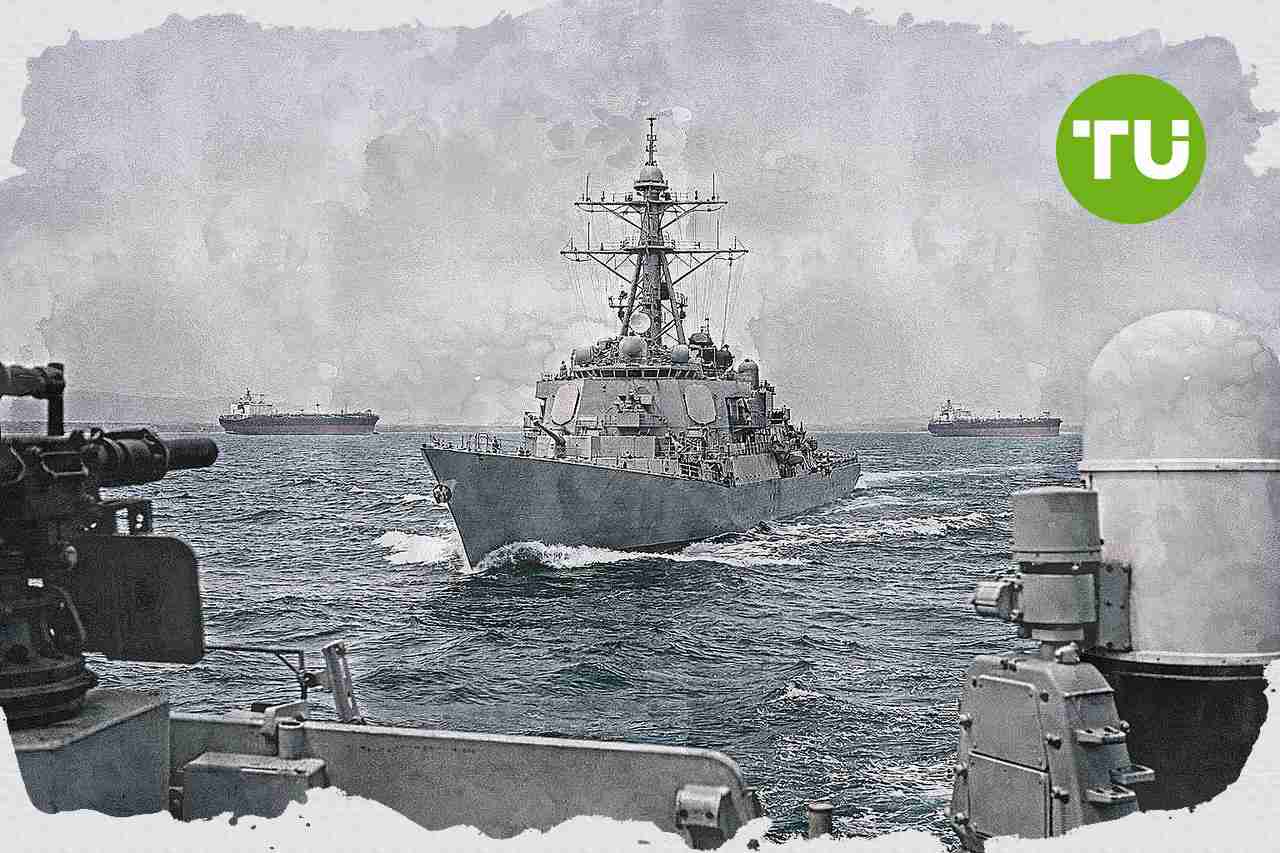
Rising tensions in the Gulf are pushing energy and shipping risks back to the center of global markets as Washington intensifies pressure on Iran. The renewed blockade in the Strait of Hormuz, alongside a proposed 20% cargo toll, adds to investor concern over supply disruption, inflation and trade costs.
Highlights
- Oil prices surge after the U.S. reinstates a Hormuz Strait blockade and announces a 20% toll on shipping cargo, escalating regional tensions.
- U.S. Central Command launches its third consecutive night of airstrikes on Iranian targets, while international criticism mounts over the legal basis of the Hormuz toll.
- China's exports in June surge at their fastest pace since 2021, driven by high AI hardware demand and accelerated orders ahead of anticipated U.S. tariff hikes.
Hormuz action raises energy and shipping risks
As reported by CNBC, President Donald Trump says the U.S. is reinstating a naval blockade in the Strait of Hormuz and plans to impose a 20% toll on cargo moving through the waterway as reimbursement for protection costs.Trump says on Truth Social that the U.S.A. will be known as "THE GUARDIAN OF THE HORMUZ STRAIT" and that the process and formation begin immediately. The move follows the effective collapse of the ceasefire with Iran and brings a new escalation to a route that is critical for global oil flows.
Oil prices are higher again after posting their biggest one-day jump since the COVID era on Monday. The proposal draws criticism from the international community, with the UN's maritime agency saying there is no legal basis for mandatory tolls, while Nordic American Tankers CEO Herbjorn Hansson calls the 20% fee unrealistic.
U.S. Central Command also says it has completed another five-hour mission striking targets across Iran, marking the third straight night of attacks in retaliation for strikes on commercial shipping in the Strait. Jordan says it intercepts four missiles entering its airspace from Iran, and sirens sound in Bahrain for the third time on Tuesday.
Broader market pressure from war and data
Beyond the Gulf, Ukraine and its allies announce an air-defense coalition aimed at countering Russia's ballistic missile threat. The Coalition of the Willing meets in Paris on Monday with 10 countries and several defense firms taking part.Ukrainian President Volodymyr Zelenskyy says greater missile-defense capacity would increase the chances of bringing Russian President Vladimir Putin to the negotiating table by weakening what he describes as Moscow's final argument in the war.
Markets are also digesting a heavy round of economic data. Chinese exports rise in June at their fastest pace since 2021, supported by strong demand for AI hardware and efforts by U.S. retailers to move ahead of expected tariff increases.
Later on Tuesday, economists expect the U.S. consumer price index to show a 0.2% monthly drop for June after a 25% fall in energy prices. Core inflation, however, is still seen rising 0.2% on the month, leaving the annual rate at 2.8%, above the Federal Reserve's 2% target.
In our earlier article on the surge in oil prices tied to U.S.–Iran escalation, we explained how renewed strikes and the breakdown of the ceasefire raised fears of disrupted Middle East supply flows. We also highlighted Donald Trump’s threat to reinstate a naval blockade in the Strait of Hormuz and impose a 20% fee on cargo transiting the waterway, a move seen as increasing the risk premium in energy markets.








-
 Afghanistan
-
 Albania
-
 Algeria
-
 Angola
-
 Argentina
-
 Armenia
-
 Australia
-
 Austria
-
 Azerbaijan
-
 Bahamas
-
 Bahrain
-
 Bangladesh
-
 Belarus
-
 Belgium
-
 Bolivia
-
 Botswana
-
 Brazil
-
 Brunei
-
 Bulgaria
-
 Cambodia
-
 Cameroon
-
 Canada
-
 Chile
Chile
-
 China
China
-
 Colombia
-
 Congo
Congo
-
 Costa Rica
-
 Cote d'Ivoire
-
 Croatia
-
 Cuba
Cuba
-
 Cyprus
-
 Czechia
-
 DR Congo
-
 Denmark
-
 Dominican Republic
-
 Ecuador
-
 Egypt
Egypt
-
 El Salvador
-
 Estonia
-
 Eswatini
-
 Ethiopia
-
 Finland
-
 France
-
 Georgia
-
 Germany
-
 Ghana
Ghana
-
 Greece
-
 Haiti
Haiti
-
 Hong Kong
-
 Hungary
-
 India
India
-
 Indonesia
-
 Iran, Islamic republic
-
 Iraq
Iraq
-
 Ireland
-
 Israel
-
 Italy
Italy
-
 Jamaica
-
 Japan
Japan
-
 Jordan
-
 Kazakhstan
-
 Kenya
Kenya
-
 Korea
Korea
-
 Kuwait
-
 Kyrgyzstan
-
 Laos
Laos
-
 Latvia
-
 Lebanon
-
 Lesotho
-
 Libya
Libya
-
 Lithuania
-
 Luxembourg
-
 Madagascar
-
 Malaysia
-
 Malta
Malta
-
 Mauritius
-
 Mexico
-
 Moldova
-
 Mongolia
-
 Montenegro
-
 Morocco
-
 Mozambique
-
 Myanmar
-
 Namibia
-
 Nepal
Nepal
-
 Netherlands
-
 New Zealand
-
 Nigeria
-
 North Macedonia
-
 Norway
-
 Oman
Oman
-
 Pakistan
-
 Palestine
-
 Panama
-
 Papua New Guinea
-
 Paraguay
-
 Peru
Peru
-
 Philippines
-
 Poland
-
 Portugal
-
 Puerto Rico
-
 Qatar
Qatar
-
 Reunion
-
 Romania
-
 Rwanda
-
 Saudi Arabia
-
 Serbia
-
 Singapore
-
 Slovakia
-
 Slovenia
-
 Somalia
-
 South Africa
-
 Spain
Spain
-
 Sri Lanka
-
 Sweden
-
 Switzerland
-
 Syria
Syria
-
 Taiwan
-
 Tajikistan
-
 Tanzania
-
 Thailand
-
 Trinidad and Tobago
-
 Tunisia
-
 Turkey
-
 UAE
UAE
-
 Uganda
-
 Ukraine
-
 United Kingdom
-
United States
-
 Uruguay
-
 Uzbekistan
-
 Venezuela
-
 Vietnam
-
 Yemen
Yemen
-
 Zambia
-
 Zimbabwe
- Forex
- Crypto











