
Federal Reserve chief Warsh sets out independence test in first Congress hearings
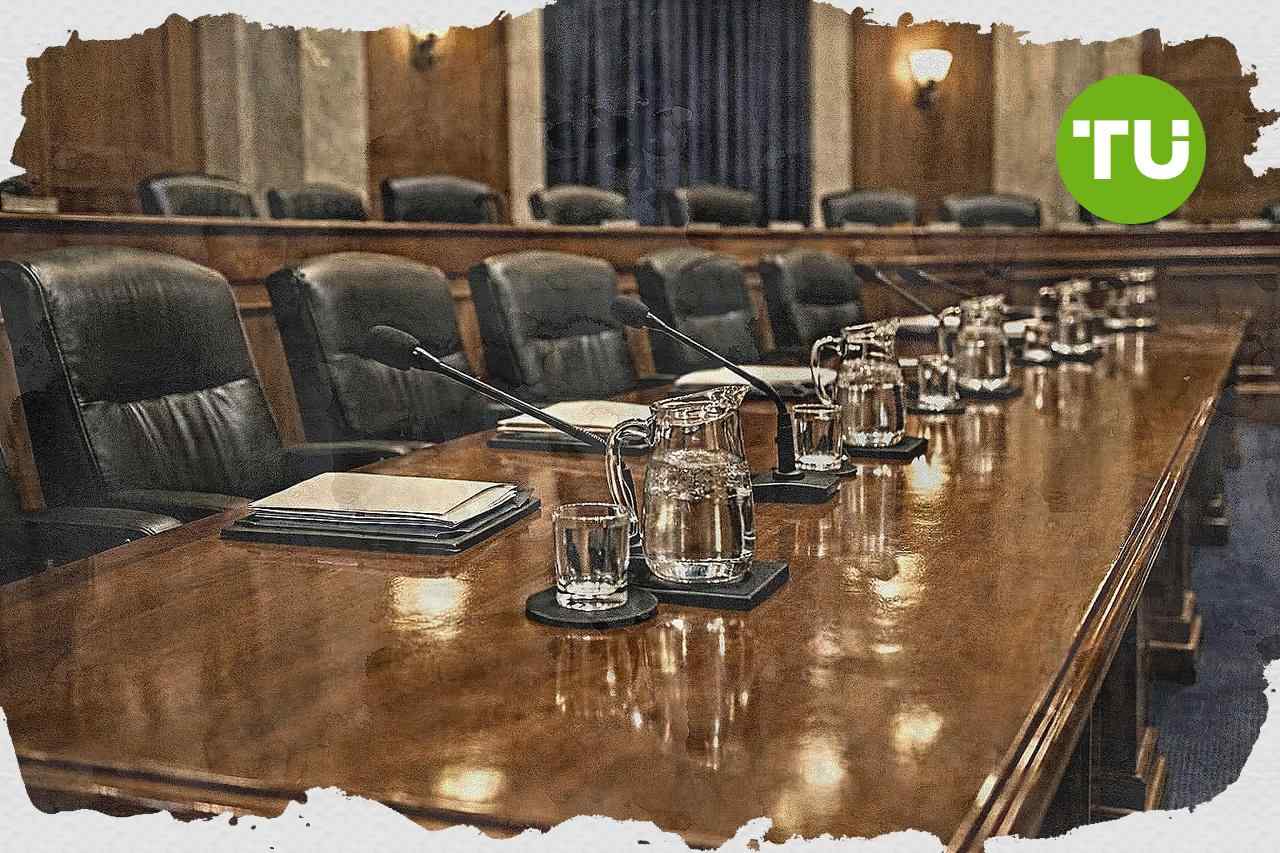
Federal Reserve Chair Kevin Warsh heads to Capitol Hill this week as investors and lawmakers gauge how he plans to lead the U.S. central bank through an uncertain economic period. His testimony comes after early staffing and policy signals that suggest some distance from President Donald Trump despite the president's strong backing for lower interest rates.
Highlights
- Fed Chair Warsh told Congress there was no rate cut discussed at the June 16-17 meeting and he will not provide interest-rate projections.
- Warsh's advisory and task force appointments emphasize technical expertise, avoiding overt partisanship and reinforcing perceptions of Fed independence from the White House.
- The Fed's monetary policy report flags AI investment driving some price increases, but Warsh notes that broader productivity and supply benefits remain uncertain.
Congress testimony puts Fed strategy in focus
As reported by Reuters, Warsh is due to testify before the Republican-controlled House Financial Services Committee on Tuesday and the Senate Banking Committee on Wednesday in his first public appearances before lawmakers as Fed chief. The hearings are expected to give him a wider platform to explain his plans for the Fed, his reading of the economy and his approach to interest-rate policy.So far, Warsh has shown no sign that a rate cut is imminent. At his first press conference after the Fed held rates steady, his comments are seen by some analysts as leaning more toward keeping policy unchanged than toward meeting Trump's repeated calls for lower borrowing costs.
Warsh also says there was only one policy proposal on the table at the Fed's June 16-17 meeting, with no discussion of a rate cut. Unlike other policymakers, he did not submit an interest-rate projection and does not plan to do so, reflecting his opposition to that kind of forward guidance.
Early appointments shape views on independence
Warsh's first weeks in office are also drawing attention for the people he is bringing into advisory and review roles. Analysts say his task force appointments last week stand out for their technical expertise and for the lack of overtly ideological or partisan figures often seen elsewhere in the Trump administration.Economist Jon Faust, a former top adviser to Jerome Powell, says those moves reinforce the view that Warsh is not acting as a proxy for the White House. Samuel Tombs of Pantheon Macroeconomics says Warsh may have signaled a softer policy stance before winning Trump's support, but now has room to take a longer and more impartial view as chair.
Warsh's recent comments on artificial intelligence also appear more conditional than before his nomination. The Fed's monetary policy report to Congress says AI investment is currently pushing up some prices, while Warsh acknowledges that any productivity and supply-side benefits remain uncertain even as demand for capital, skilled labor and infrastructure is rising now.
His standing with Trump could still face pressure in coming months if inflation persists or if support grows inside the Fed for higher rates. For now, however, his early hiring choices, policy tone and public comments suggest he is trying to preserve room to operate independently while maintaining the president's confidence.
In our earlier coverage of the June CPI expectations, we highlighted forecasts that headline inflation would cool to around 3.8% as energy-price effects eased. We also noted that core inflation was expected to stay near 2.8% and, together with softer labor-market data, could keep the Fed in a cautious hold-at-high-rates posture ahead of its next policy decision.


Latest Estonia News





-
 Afghanistan
-
 Albania
-
 Algeria
-
 Angola
-
 Argentina
-
 Armenia
-
 Australia
-
 Austria
-
 Azerbaijan
-
 Bahamas
-
 Bahrain
-
 Bangladesh
-
 Belarus
-
 Belgium
-
 Bolivia
-
 Botswana
-
 Brazil
-
 Brunei
-
 Bulgaria
-
 Cambodia
-
 Cameroon
-
 Canada
-
 Chile
Chile
-
 China
China
-
 Colombia
-
 Congo
Congo
-
 Costa Rica
-
 Cote d'Ivoire
-
 Croatia
-
 Cuba
Cuba
-
 Cyprus
-
 Czechia
-
 DR Congo
-
 Denmark
-
 Dominican Republic
-
 Ecuador
-
 Egypt
Egypt
-
 El Salvador
-
 Estonia
-
 Eswatini
-
 Ethiopia
-
 Finland
-
 France
-
 Georgia
-
 Germany
-
 Ghana
Ghana
-
 Greece
-
 Haiti
Haiti
-
 Hong Kong
-
 Hungary
-
 India
India
-
 Indonesia
-
 Iran, Islamic republic
-
 Iraq
Iraq
-
 Ireland
-
 Israel
-
 Italy
Italy
-
 Jamaica
-
 Japan
Japan
-
 Jordan
-
 Kazakhstan
-
 Kenya
Kenya
-
 Korea
Korea
-
 Kuwait
-
 Kyrgyzstan
-
 Laos
Laos
-
 Latvia
-
 Lebanon
-
 Lesotho
-
 Libya
Libya
-
 Lithuania
-
 Luxembourg
-
 Madagascar
-
 Malaysia
-
 Malta
Malta
-
 Mauritius
-
 Mexico
-
 Moldova
-
 Mongolia
-
 Montenegro
-
 Morocco
-
 Mozambique
-
 Myanmar
-
 Namibia
-
 Nepal
Nepal
-
 Netherlands
-
 New Zealand
-
 Nigeria
-
 North Macedonia
-
 Norway
-
 Oman
Oman
-
 Pakistan
-
 Palestine
-
 Panama
-
 Papua New Guinea
-
 Paraguay
-
 Peru
Peru
-
 Philippines
-
 Poland
-
 Portugal
-
 Puerto Rico
-
 Qatar
Qatar
-
 Reunion
-
 Romania
-
 Rwanda
-
 Saudi Arabia
-
 Serbia
-
 Singapore
-
 Slovakia
-
 Slovenia
-
 Somalia
-
 South Africa
-
 Spain
Spain
-
 Sri Lanka
-
 Sweden
-
 Switzerland
-
 Syria
Syria
-
 Taiwan
-
 Tajikistan
-
 Tanzania
-
 Thailand
-
 Trinidad and Tobago
-
 Tunisia
-
 Turkey
-
 UAE
UAE
-
 Uganda
-
 Ukraine
-
 United Kingdom
-
United States
-
 Uruguay
-
 Uzbekistan
-
 Venezuela
-
 Vietnam
-
 Yemen
Yemen
-
 Zambia
-
 Zimbabwe
- Forex
- Crypto











