
Fusion sector investment shifts toward supply chains as commercial push widens
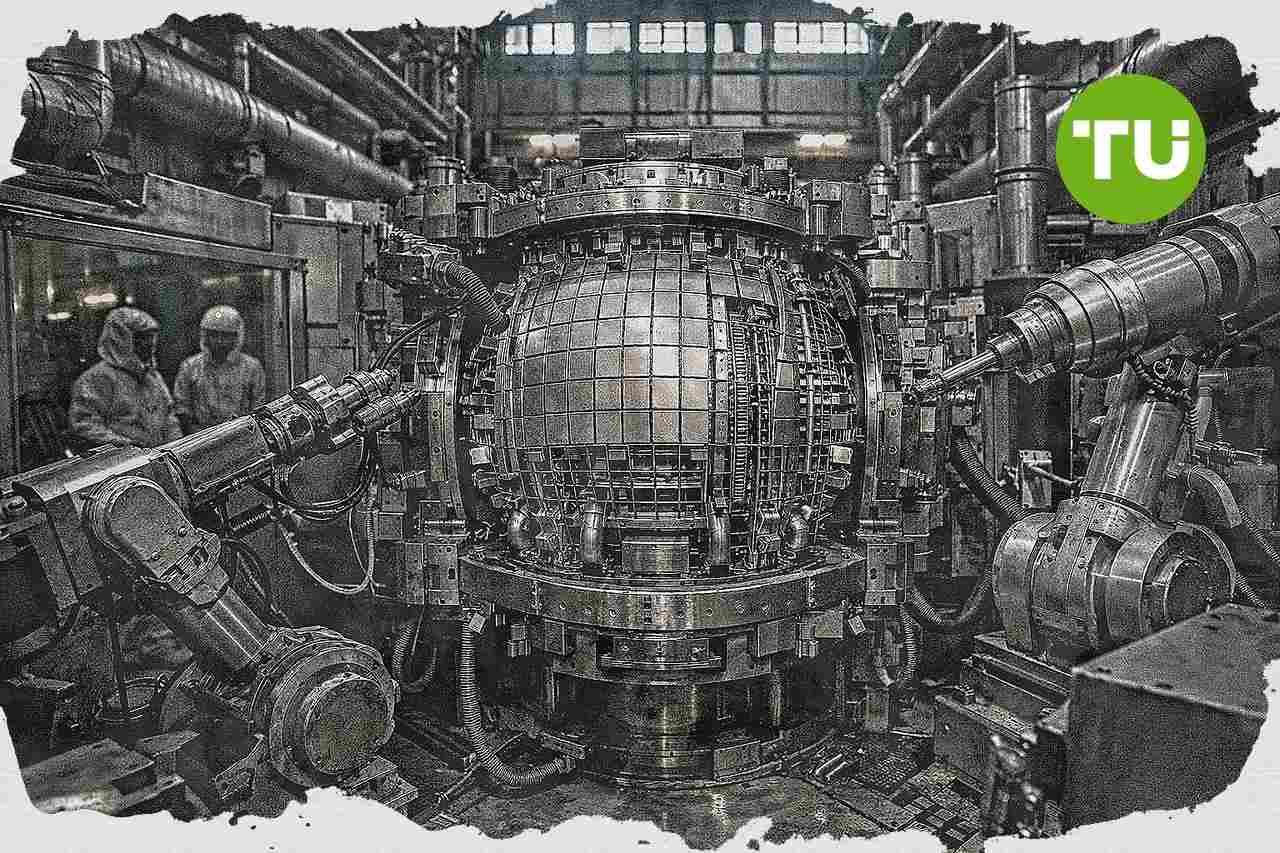
Rising geopolitical risk and the search for secure, low-carbon power are reinforcing investor interest in nuclear fusion as the industry moves beyond laboratory science. Companies are now seeking capital for materials, fuel systems and other supply-chain capabilities needed to turn experimental advances into commercial electricity generation.
Highlights
- General Fusion debuts on Nasdaq, shares rise up to 50 percent to $13.7 before settling at around $13, reflecting strong investor interest.
- Commonwealth Fusion Systems joins £220mn UKAEA Libertii programme to validate blanket systems and tritium-breeding capabilities for commercial fusion plants.
- Fusion power sector faces engineering hurdles, including proving ability to breed sufficient tritium as commercial demand could strain current inventories of only tens of kilogrammes.
Capital moves into fusion fuel and materials
As reported by Financial Times, investment in fusion is spreading beyond core plasma physics as developers try to finance the engineering systems needed for commercial plants.General Fusion, backed by Jeff Bezos, becomes the first publicly listed fusion company after its Nasdaq debut on Monday. Its shares rise by as much as 50 per cent to $13.7 in early trading before settling at about $13, underscoring investor appetite for the sector despite persistent doubts over how quickly fusion can become commercially viable.
U.S.-based Commonwealth Fusion Systems, one of the sector's best-funded companies, has partnered with a UK laboratory to help prove that a planned commercial plant can sustain its own fuel supply. CFS recently says it will join Librti, a £220mn UK Atomic Energy Authority testing programme at South Oxfordshire that will use a high-intensity neutron source to test materials for reactor blankets, the interior wall systems intended to breed new tritium fuel.
Brandon Sorbom, co-founder and chief science officer at CFS, says the collaboration gives the company direct experience in engineering blanket systems representative of its commercial fusion power plant. Tim Bestwick, chief executive of the UKAEA, says work with leading fusion companies can help bring the fusion fuel supply chain to the UK and support what he describes as a world-leading blanket testing facility.
Commercial hurdles shape sector outlook
Fusion aims to generate electricity by recreating the reaction that powers the sun, using superheated plasma to fuse atomic nuclei. Investors and energy groups are backing the technology because it promises abundant carbon-free electricity and the possibility of a self-sustaining fuel cycle, in which neutrons convert lithium in reactor blankets into tritium while deuterium is extracted from water.That potential fuel efficiency remains one of fusion's main commercial selling points. According to ITER, a large fusion power plant would consume about 250 kilogrammes of fuel a year, compared with roughly 2.7mn tonnes for a typical coal-fired plant of similar capacity.
Even so, important engineering risks remain. Dan Brunner, a consultant at Future Tech Partners and former chief technology officer and co-founder at CFS, says proving that commercial reactors can breed enough tritium to sustain operations is still a major challenge, while existing tritium inventories total only tens of kilogrammes and could come under pressure if several developers commission plants at the same time.
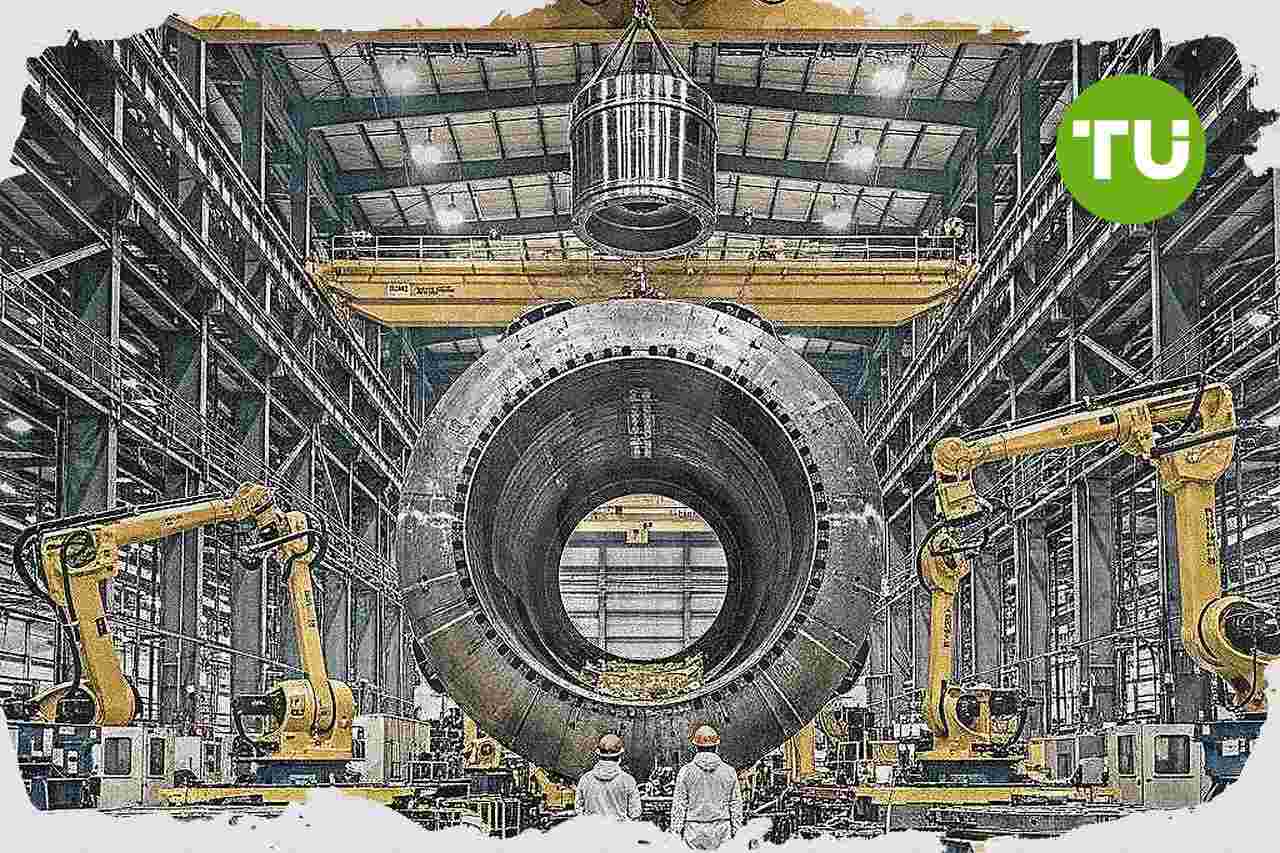
CFS, which aims to deliver fusion power to the grid in the early 2030s, is also expanding work on other critical supply-chain components, including the manufacture of high-temperature superconducting magnets used to confine plasma inside the reactor.
Our earlier article on the June U.S. inflation outlook and the Federal Reserve’s policy debate explained how a sharp drop in oil prices was expected to cool headline CPI, even as core inflation remained sticky. We also noted that policymakers were weighing multiple inflation drivers—ranging from energy-market volatility and geopolitical risks to AI-related demand effects—keeping the possibility of further rate hikes on the table.


Latest Fusion Markets News





-
 Afghanistan
-
 Albania
-
 Algeria
-
 Angola
-
 Argentina
-
 Armenia
-
 Australia
-
 Austria
-
 Azerbaijan
-
 Bahamas
-
 Bahrain
-
 Bangladesh
-
 Belarus
-
 Belgium
-
 Bolivia
-
 Botswana
-
 Brazil
-
 Brunei
-
 Bulgaria
-
 Cambodia
-
 Cameroon
-
 Canada
-
 Chile
Chile
-
 China
China
-
 Colombia
-
 Congo
Congo
-
 Costa Rica
-
 Cote d'Ivoire
-
 Croatia
-
 Cuba
Cuba
-
 Cyprus
-
 Czechia
-
 DR Congo
-
 Denmark
-
 Dominican Republic
-
 Ecuador
-
 Egypt
Egypt
-
 El Salvador
-
 Estonia
-
 Eswatini
-
 Ethiopia
-
 Finland
-
 France
-
 Georgia
-
 Germany
-
 Ghana
Ghana
-
 Greece
-
 Haiti
Haiti
-
 Hong Kong
-
 Hungary
-
 India
India
-
 Indonesia
-
 Iran, Islamic republic
-
 Iraq
Iraq
-
 Ireland
-
 Israel
-
 Italy
Italy
-
 Jamaica
-
 Japan
Japan
-
 Jordan
-
 Kazakhstan
-
 Kenya
Kenya
-
 Korea
Korea
-
 Kuwait
-
 Kyrgyzstan
-
 Laos
Laos
-
 Latvia
-
 Lebanon
-
 Lesotho
-
 Libya
Libya
-
 Lithuania
-
 Luxembourg
-
 Madagascar
-
 Malaysia
-
 Malta
Malta
-
 Mauritius
-
 Mexico
-
 Moldova
-
 Mongolia
-
 Montenegro
-
 Morocco
-
 Mozambique
-
 Myanmar
-
 Namibia
-
 Nepal
Nepal
-
 Netherlands
-
 New Zealand
-
 Nigeria
-
 North Macedonia
-
 Norway
-
 Oman
Oman
-
 Pakistan
-
 Palestine
-
 Panama
-
 Papua New Guinea
-
 Paraguay
-
 Peru
Peru
-
 Philippines
-
 Poland
-
 Portugal
-
 Puerto Rico
-
 Qatar
Qatar
-
 Reunion
-
 Romania
-
 Rwanda
-
 Saudi Arabia
-
 Serbia
-
 Singapore
-
 Slovakia
-
 Slovenia
-
 Somalia
-
 South Africa
-
 Spain
Spain
-
 Sri Lanka
-
 Sweden
-
 Switzerland
-
 Syria
Syria
-
 Taiwan
-
 Tajikistan
-
 Tanzania
-
 Thailand
-
 Trinidad and Tobago
-
 Tunisia
-
 Turkey
-
 UAE
UAE
-
 Uganda
-
 Ukraine
-
 United Kingdom
-
United States
-
 Uruguay
-
 Uzbekistan
-
 Venezuela
-
 Vietnam
-
 Yemen
Yemen
-
 Zambia
-
 Zimbabwe
- Forex
- Crypto











