
U.S. Energy Department orders PJM grid emergency measures in Mid-Atlantic heat wave
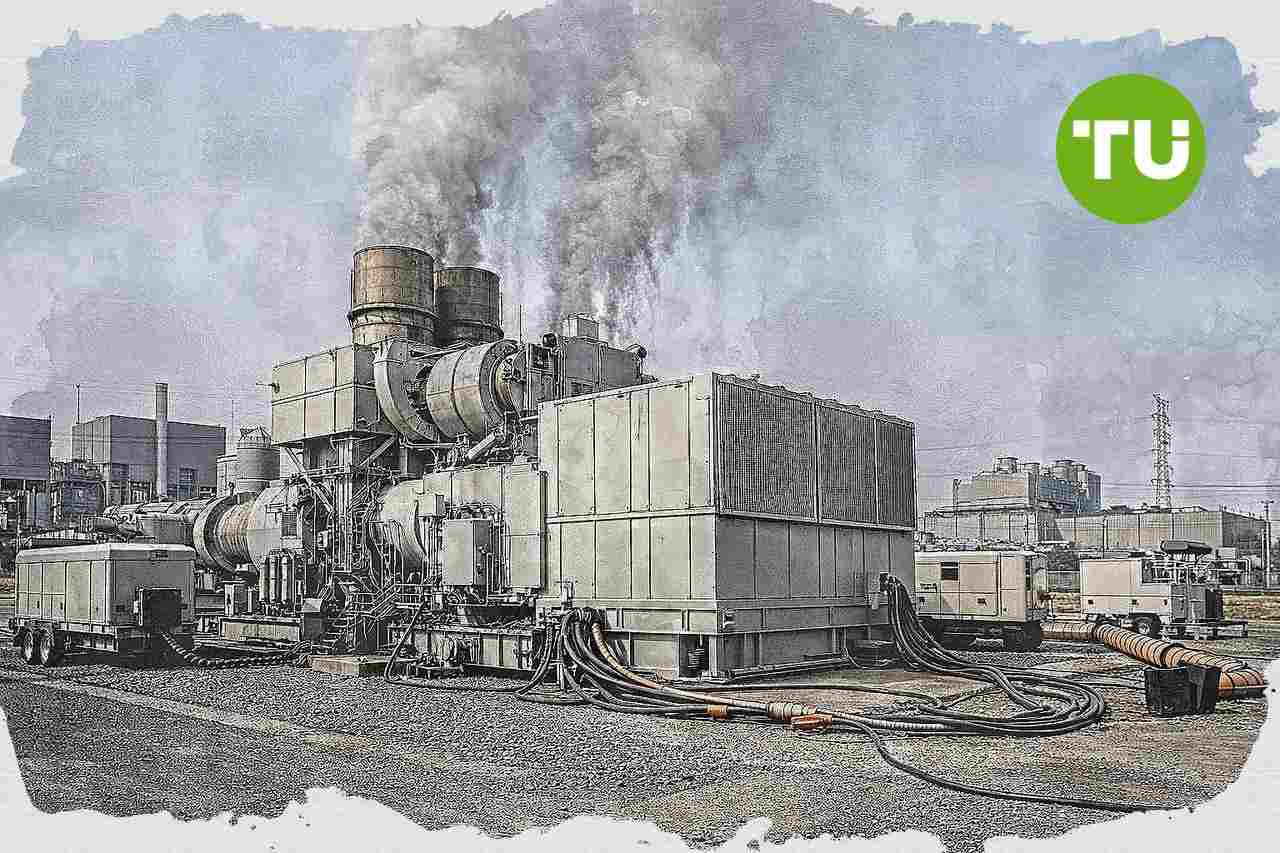
Rising summer power demand is prompting federal intervention in the Mid-Atlantic as grid operators prepare for forecast hot weather and heavier electricity use. The U.S. Department of Energy says the temporary order is designed to reduce blackout risk by allowing PJM Interconnection to bring specified units and backup generation online when needed.
Highlights
- The U.S. Department of Energy ordered PJM Interconnection to dispatch specified and backup generation units from July 14 to July 21, 2026, amid a Mid-Atlantic heat wave.
- DOE highlights more than 35 gigawatts of unused backup generation nationwide, aiming to lower outage risk as PJM faces peak summer electricity demand.
- DOE National Laboratories data shows annual U.S. power outage costs at $44 billion, underscoring the economic significance of maintaining grid reliability during extreme weather.
PJM emergency order runs through July 21
According to U.S. Department of Energy, the emergency order directs PJM Interconnection, L.L.C. to dispatch specified units and require their operation as needed to maintain grid reliability. It also authorizes PJM to use backup generation resources as a last resort before declaring an Energy Emergency Alert 3, or during such an alert, and to call on its Transmission Owners and Electric Distribution Companies to carry out the order if necessary.The order follows an application submitted by PJM on July 13, 2026. It takes effect at 11:59 PM EDT on July 14, 2026, and expires at 11:59 PM EDT on July 21, 2026.
Energy Secretary Chris Wright says maintaining affordable, reliable and secure power in PJM's service territory is non-negotiable. He says the administration is using every available tool to help ensure households in the Mid-Atlantic continue to have electricity to power and cool their homes during the hot weather period.
Reliability risks focus on summer peak demand
DOE says more than 35 gigawatts of unused backup generation remains available nationwide, underscoring the reserve capacity that could be tapped in emergency conditions. The department frames the order as a step to lower the probability of outages in a region where summer demand peaks place added stress on the system.The North American Electric Reliability Corporation's 2026 Summer Reliability Assessment says peak electricity demand in PJM occurs during the summer season. It further notes that if extreme high temperatures are experienced, PJM anticipates needing demand-response resources to help reduce load.
DOE National Laboratories data cited by the department shows power outages cost Americans $44 billion a year. That economic toll adds to the significance of short-term reliability measures for utilities, businesses and households across the Mid-Atlantic.
In our earlier coverage of a House Energy Subcommittee markup, we outlined how lawmakers advanced a six-bill nuclear policy package aimed at streamlining Nuclear Regulatory Commission licensing and strengthening Department of Energy reporting. The measures focus on reducing procedural burdens for reactors and fuel-cycle projects while preserving safety oversight—part of a broader push to expand firm generation as electricity demand rises.


Latest National Grid News






-
 Afghanistan
-
 Albania
-
 Algeria
-
 Angola
-
 Argentina
-
 Armenia
-
 Australia
-
 Austria
-
 Azerbaijan
-
 Bahamas
-
 Bahrain
-
 Bangladesh
-
 Belarus
-
 Belgium
-
 Bolivia
-
 Botswana
-
 Brazil
-
 Brunei
-
 Bulgaria
-
 Cambodia
-
 Cameroon
-
 Canada
-
 Chile
Chile
-
 China
China
-
 Colombia
-
 Congo
Congo
-
 Costa Rica
-
 Cote d'Ivoire
-
 Croatia
-
 Cuba
Cuba
-
 Cyprus
-
 Czechia
-
 DR Congo
-
 Denmark
-
 Dominican Republic
-
 Ecuador
-
 Egypt
Egypt
-
 El Salvador
-
 Estonia
-
 Eswatini
-
 Ethiopia
-
 Finland
-
 France
-
 Georgia
-
 Germany
-
 Ghana
Ghana
-
 Greece
-
 Haiti
Haiti
-
 Hong Kong
-
 Hungary
-
 India
India
-
 Indonesia
-
 Iran, Islamic republic
-
 Iraq
Iraq
-
 Ireland
-
 Israel
-
 Italy
Italy
-
 Jamaica
-
 Japan
Japan
-
 Jordan
-
 Kazakhstan
-
 Kenya
Kenya
-
 Korea
Korea
-
 Kuwait
-
 Kyrgyzstan
-
 Laos
Laos
-
 Latvia
-
 Lebanon
-
 Lesotho
-
 Libya
Libya
-
 Lithuania
-
 Luxembourg
-
 Madagascar
-
 Malaysia
-
 Malta
Malta
-
 Mauritius
-
 Mexico
-
 Moldova
-
 Mongolia
-
 Montenegro
-
 Morocco
-
 Mozambique
-
 Myanmar
-
 Namibia
-
 Nepal
Nepal
-
 Netherlands
-
 New Zealand
-
 Nigeria
-
 North Macedonia
-
 Norway
-
 Oman
Oman
-
 Pakistan
-
 Palestine
-
 Panama
-
 Papua New Guinea
-
 Paraguay
-
 Peru
Peru
-
 Philippines
-
 Poland
-
 Portugal
-
 Puerto Rico
-
 Qatar
Qatar
-
 Reunion
-
 Romania
-
 Rwanda
-
 Saudi Arabia
-
 Serbia
-
 Singapore
-
 Slovakia
-
 Slovenia
-
 Somalia
-
 South Africa
-
 Spain
Spain
-
 Sri Lanka
-
 Sweden
-
 Switzerland
-
 Syria
Syria
-
 Taiwan
-
 Tajikistan
-
 Tanzania
-
 Thailand
-
 Trinidad and Tobago
-
 Tunisia
-
 Turkey
-
 UAE
UAE
-
 Uganda
-
 Ukraine
-
 United Kingdom
-
United States
-
 Uruguay
-
 Uzbekistan
-
 Venezuela
-
 Vietnam
-
 Yemen
Yemen
-
 Zambia
-
 Zimbabwe
- Forex
- Crypto











